Updated December 30, 2025 09:21AM
Ask a Trainer: Why Am I So Sore After Lifting Weights?
You were so hyped about weight training yesterday, but now you're sore - REALLY sore. How long does muscle soreness last after lifting weights, and is there anything you can do to make it go away faster?
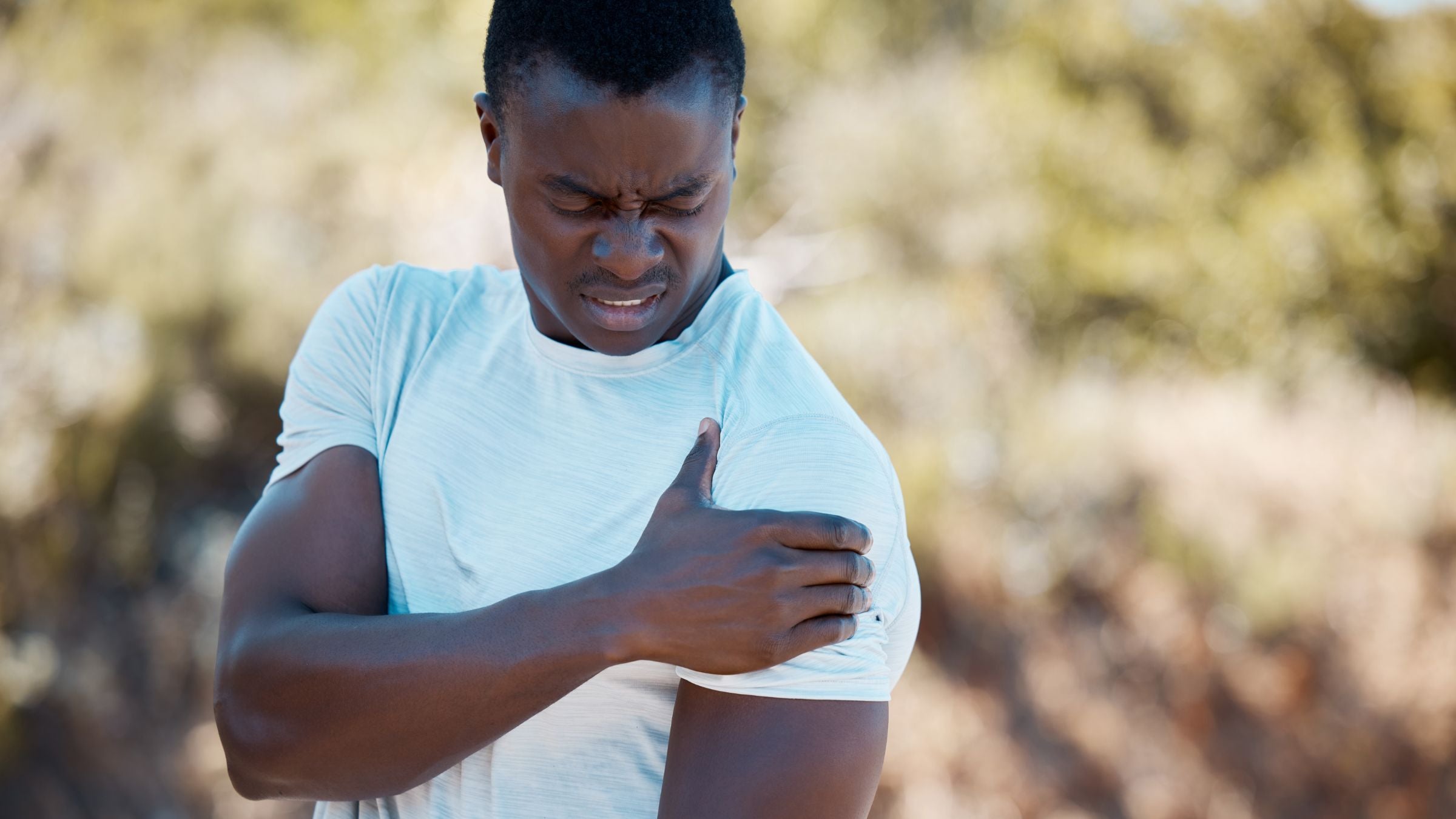
(Photo: Getty Images)
As you gear up for the new year, you might be saying that this will be the year we lose weight, gain muscle, set a PR, or tackle a new distance. It leads many triathletes to flock to the gym or queue up the latest, greatest workout app to get a jump on our resolutions.
Unfortunately, this unbridled excitement often leads to intense soreness that can be incredibly uncomfortable – to the point where you might need to take a few days off. If you’re Googling why am I so sore after lifting weights? you’re not alone. It happens to the best of us, especially in the first few weeks of January.
Even if you’ve been diligently checking off the swim, bike, and run boxes in your training plan through the holidays, you might wake up sore the day after introducing strength training. Here’s why it happens and what to do about it.
Why you’re so epically sore after lifting weights
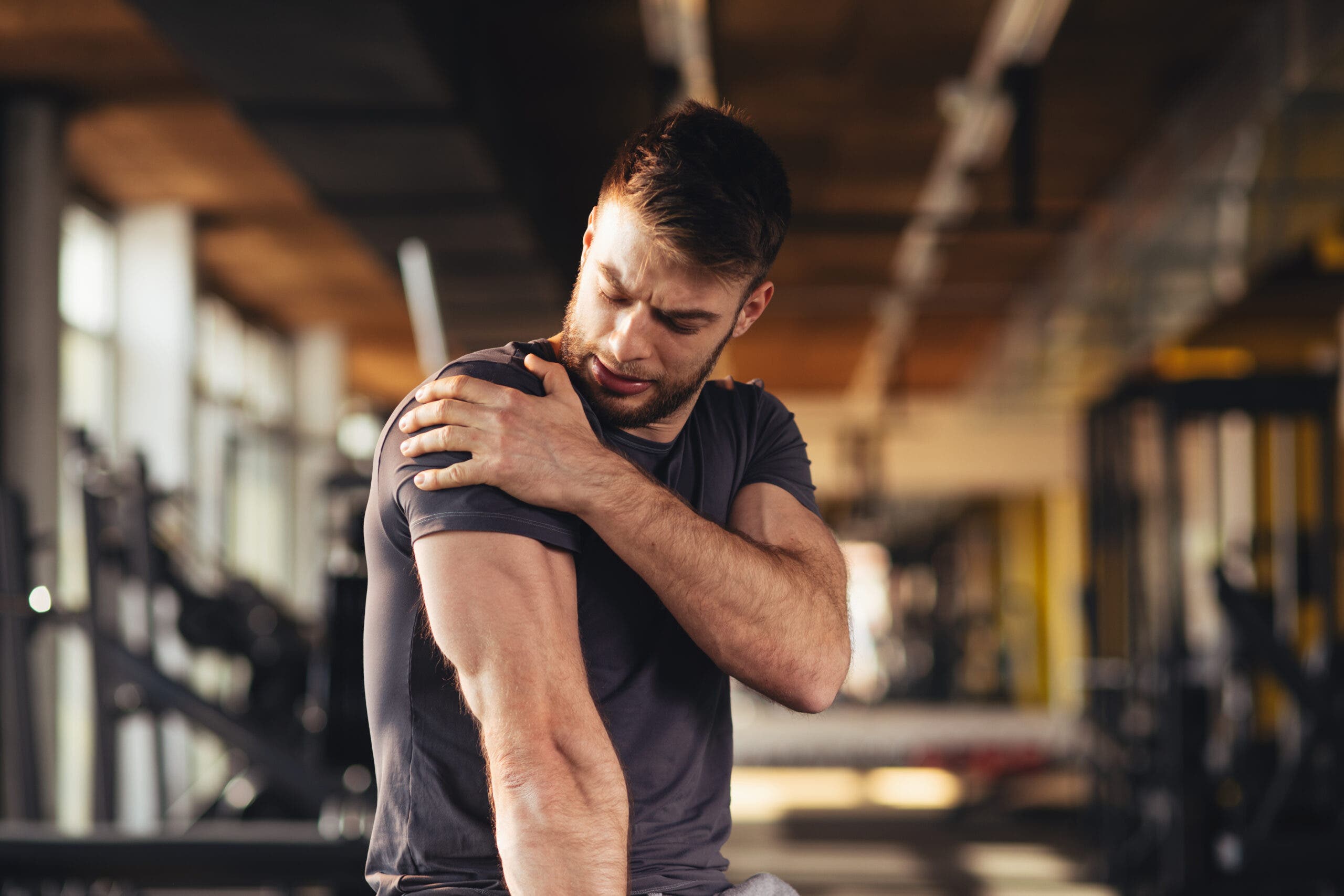
Strength training causes tiny, microscopic tears in muscle fibers, which is generally a good, “positive stress” to the neuromuscular system. The damaged muscle fibers then heal – adapting to the previous stimulus – becoming stronger and better prepared to handle similar stresses again. As with any injury or damage to the body’s soft tissue, this can cause soreness to varying degrees, which we commonly refer to as delayed-onset muscle soreness (DOMS).
While DOMS is highly individual, the severity is most often correlated to the “newness” of intensity (with regard to weight, volume, or unexpected movement pattern) in a workout. For even the most conditioned swim-bike-run athlete, a return to strength training can cause stiffness, muscle tenderness to the touch, a feeling of weakness, and/or swelling – as it’s a change in stimulus to the way the muscles are used to being loaded.
ADVERTISEMENT
How long does muscle soreness last after lifting weights?
This depends on our specific fitness, genetics, and overall body health. The soreness usually peaks 24-48 hours after exercise, and may last up to 3-5 days in total.
Those who are more conditioned to both consistency and variety of movement will typically experience DOMS to a lesser degree. While a base level of generalized strength and overall competence in movement won’t eliminate the stress of a new strength routine, it certainly will dampen the shock to the neuromuscular system.
ADVERTISEMENT
In addition, hormone levels and balance play an enormous role in the damage/repair cycle – specifically, testosterone levels in both men and women. Learn the signs of whether your muscle soreness is good or bad.
How to relieve muscle soreness after lifting weights
Unfortunately, once DOMS creeps in, there’s not much that can be done to turn back the clock. While taking some extra rest and having patience are not usually a strong suit for the average triathlete (or a new, hard-charging gym resolution in the new year), allowing the body to optimally recover is the best recommendation for DOMS. Here are some tips to aid that process:
- Manage pain. Painkillers or topical treatments, such as ibuprofen or Tiger Balm, may decrease discomfort, but will not aid tissue repair. Use these to encourage light movement – but not to mask pain in order to return to back to moderate to high intensity in swim-bike-run or strength.
- Move gently. Light stretching, mobility exercises, and low-impact aerobic movement will stimulate circulation and can help alleviate stiffness.
- Use massage and/or compression. Both of these methods have been shown to increase blood flow and promote circulation in order to decrease the severity of DOMS. If you choose to go the DIY route with self-massage, be gentle in using your hands, foam roller, or percussive massager.
- Apply appropriate temperatures. Heat will help to relax sore muscles and expand blood vessels, while ice may provide short-term relief for localized swelling. Interchanging the two in shorter cycles (e.g., hydrotherapy) has been shown to increase circulation similar to massage.
RELATED: 24 Natural Ways to Soothe Sore Tri Muscles
How to (responsibly) restart strength training
Once the discomfort subsides, feeling a little shy about jumping back into the weight room is only natural. Remember that the intensity of newness really causes the most dramatic impact to our system and, in turn, prepare as appropriately as possible. This includes:
- Train a “warm” system. Many time-starved triathletes squeeze in their strength routine first thing in the morning. 5-10 minutes of gentle, dynamic movement, including bodyweight mobility or light aerobic exercise, can help decrease DOMS.
- Embrace progression. Whether an athlete is brand new to strength training or has simply taken a couple of months off, remember that adaptation (getting stronger!) is a function of consistent overload. Progression will be faster with making small, frequent gains than with a stop/start strategy around soreness and/or injury. Specifically for most triathletes, bodyweight is more than enough for your first couple of sessions back.
- Eat well. Protein is an essential nutrient for muscle repair, and carbs are the key source in glycogen replacement. Eating well ensures your body is fueled for recovery. Fueling strength training requires a different strategy from other tri training.