Published April 22, 2024 06:00AM
A Sports Dietitian Whips Up 6 Smoothie Recipes for Performance and Health
Whip it good with these smoothie recipes for healthy, energizing, and delicious drinks optimized for the nutritional needs of the endurance athlete.
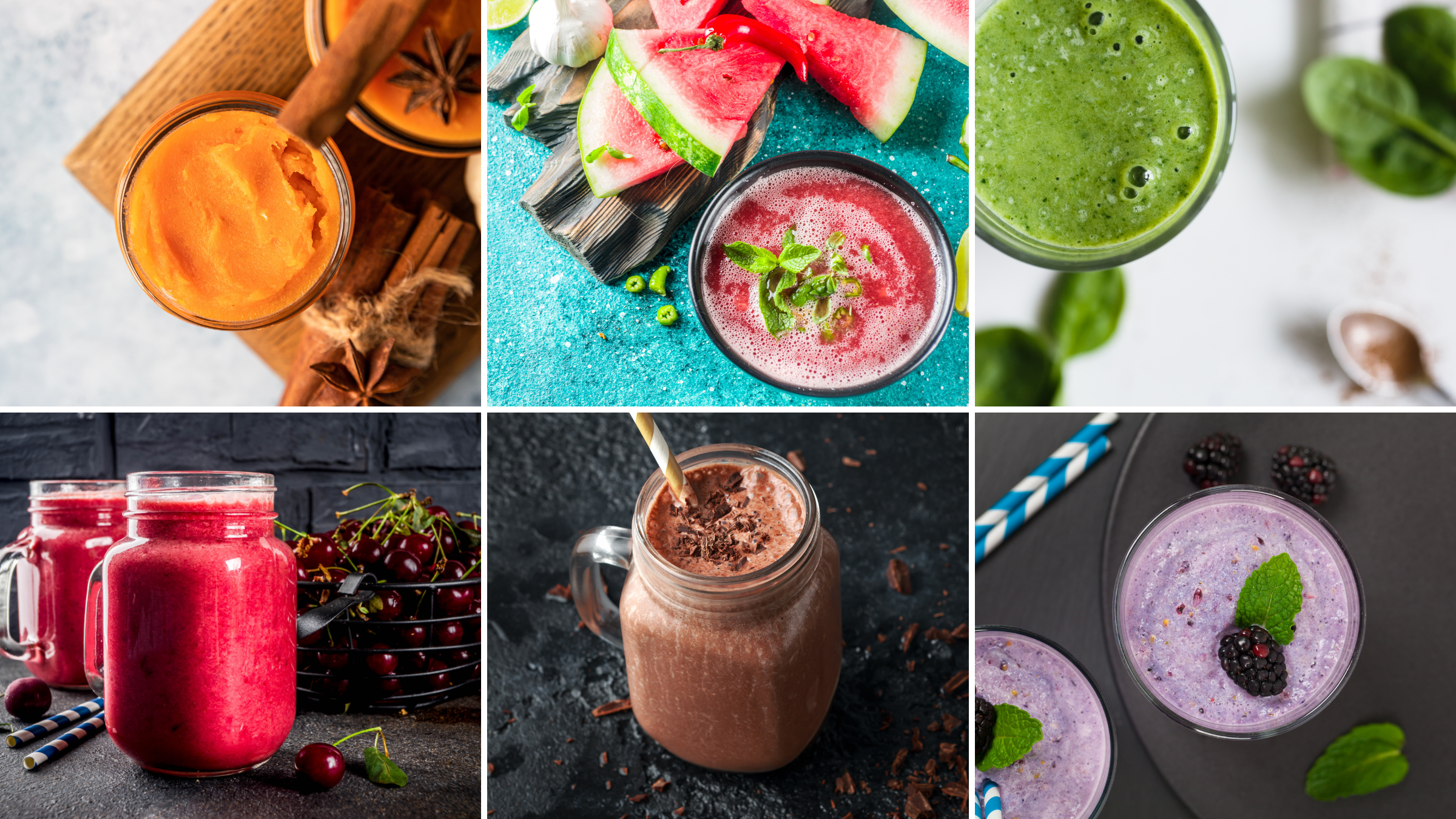
(Photo: Getty Images)
Smoothie Recipes
When you need some recovery nutrition in a hurry, or when you require something healthy in your belly that isn’t a bowl of oatmeal, there’s nothing better than a smoothie. For people who struggle to get enough protein and certain nutrients each day, a smoothie can also help fill in the gaps. And a frosty smoothie is undeniably refreshing when temperatures are soaring – no wonder so many athletes turn to smoothie recipes as their preferred recovery drink.
But too often, athletes fall into smoothie repeat by whirling together the same boring ingredients over and over again – a habit that can prevent your blender drink from reaching its full nutritional potential. The permutations and combinations that go into a smoothie are nearly endless – everything from spinach to cottage cheese can play a starring role in your next blender creation.
Next time you whip it (whip it real good – sorry, we couldn’t help ourselves), choose one of these science-backed smoothie recipes for athletes. These ingredients don’t just taste good – they’re good for you, too.
Smoothie Power Pair: Kefir + Sweet Potato
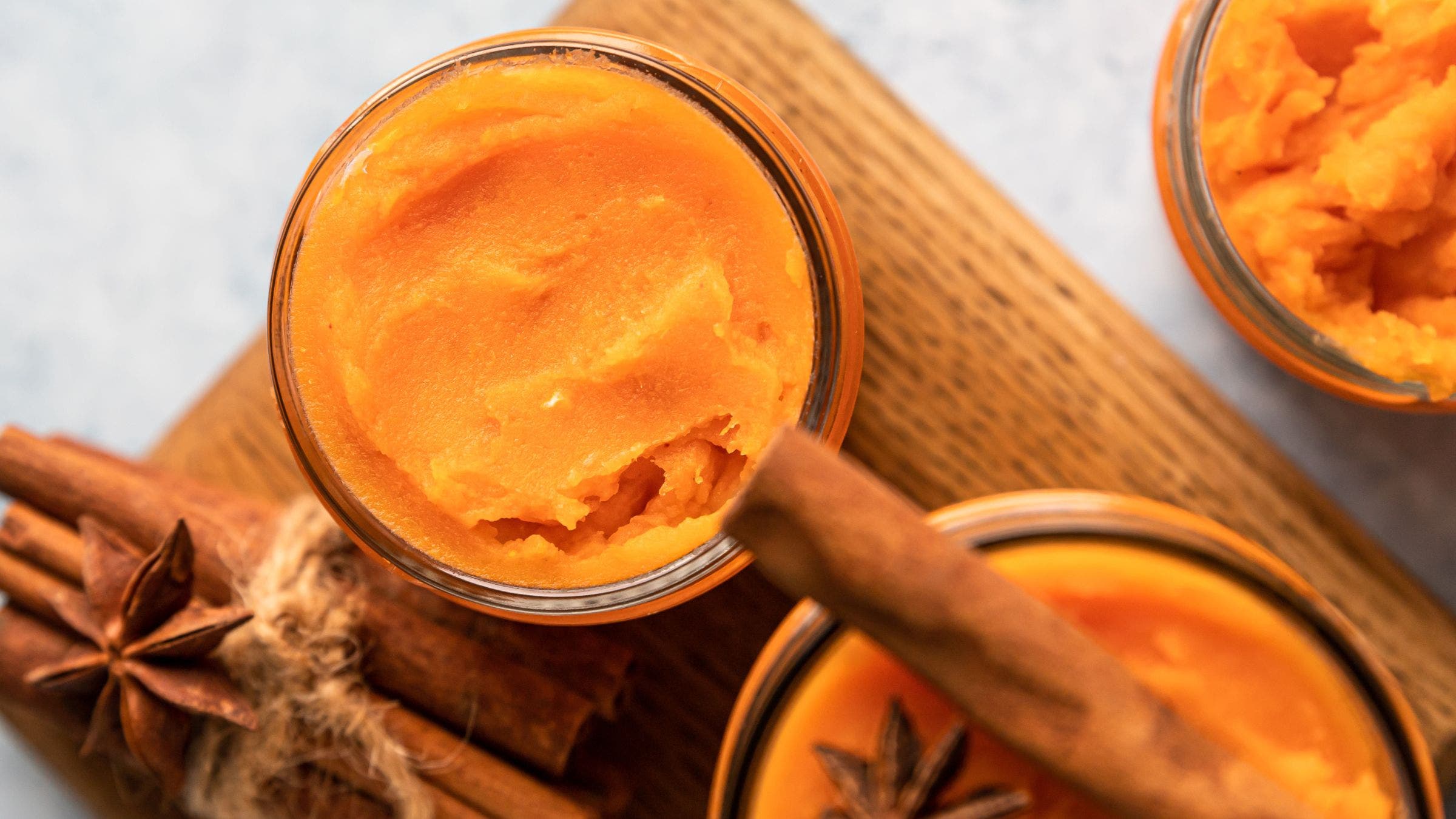
Instead of milk, consider using tangy kefir as the base for your post-training blender drinks. This fermented dairy drink is laced with probiotics, microorganisms that can help improve the make-up of your microbiome, which could pay off with improve digestive health and a more robust immune system – two benefits that should interest most triathletes. One study review suggests that a more diverse gut microbiota, which can be achieved by eating a greater amount of fermented foods like kefir, could help athletes better adapt to the stress of exercise. It’s also a good source of calcium to help you maintain break-resistant bones.
With sweet potatoes, you’ll benefit from a huge amount of beta-carotene contained within the flesh. Beta-carotene can be converted to vitamin A in our bodies, which is then used to help improve bone and immune health. You certainly don’t want to blitz in raw potato, so steam or boil peeled cubes of sweet potato until tender and keep them stashed in the fridge or freezer to be used in smoothies at a whim.
ADVERTISEMENT
Sweet Potato Pie Smoothie Recipe
- 1 cup plain kefir
- 1 cup cooked peeled sweet potato
- 1 scoop plain or vanilla protein powder of choice
- 2 teaspoons almond butter or peanut butter
- 2 teaspoons maple syrup
- 1/2 teaspoon vanilla extract
- 1/2 teaspoon cinnamon
- 1/4 teaspoon ginger powder
- 1 small frozen chopped banana
Place all of the ingredients in a blender container in the order listed and blend until smooth.
Smoothie Power Pair: Tofu + Spinach

If you prefer a plant-based lifestyle, but don’t love blitzing plant protein powders into your drinks, then tofu is a stealth way to give your smoothie a boost of protein. One-half of a block delivers about 10 grams of the macronutrient to help spur muscle recovery. The key is to use tofu that is labeled “soft” or “silken,” which blends effortlessly into drinks without making them taste oddly bean-y. The velvety bean curd is also a source of a handful of essential micronutrients including phosphorus, iron, and magnesium.
Spinach not only lends your smoothie the color of health, but also a huge amount of vitamin K. Research has linked higher intakes of vitamin K-rich foods like spinach with better heart functioning. Baby spinach is fairly neutral in flavor so is a great option for sneaking more veggies into your smoothies.
ADVERTISEMENT
Big Green Smoothie Recipe
- 3/4 cup unsweetened almond milk or cashew milk
- 1/2 block soft (silken) tofu
- 2 cups baby spinach
- 2 tablespoons ground flaxseed
- 1 teaspoon honey or agave syrup
- 1/4 teaspoon ginger powder
- 1 cup frozen mango cubes
Place all of the ingredients in a blender container in the order listed and blend until smooth.
Smoothie Power Pair: Cottage Cheese + Frozen Blackberries
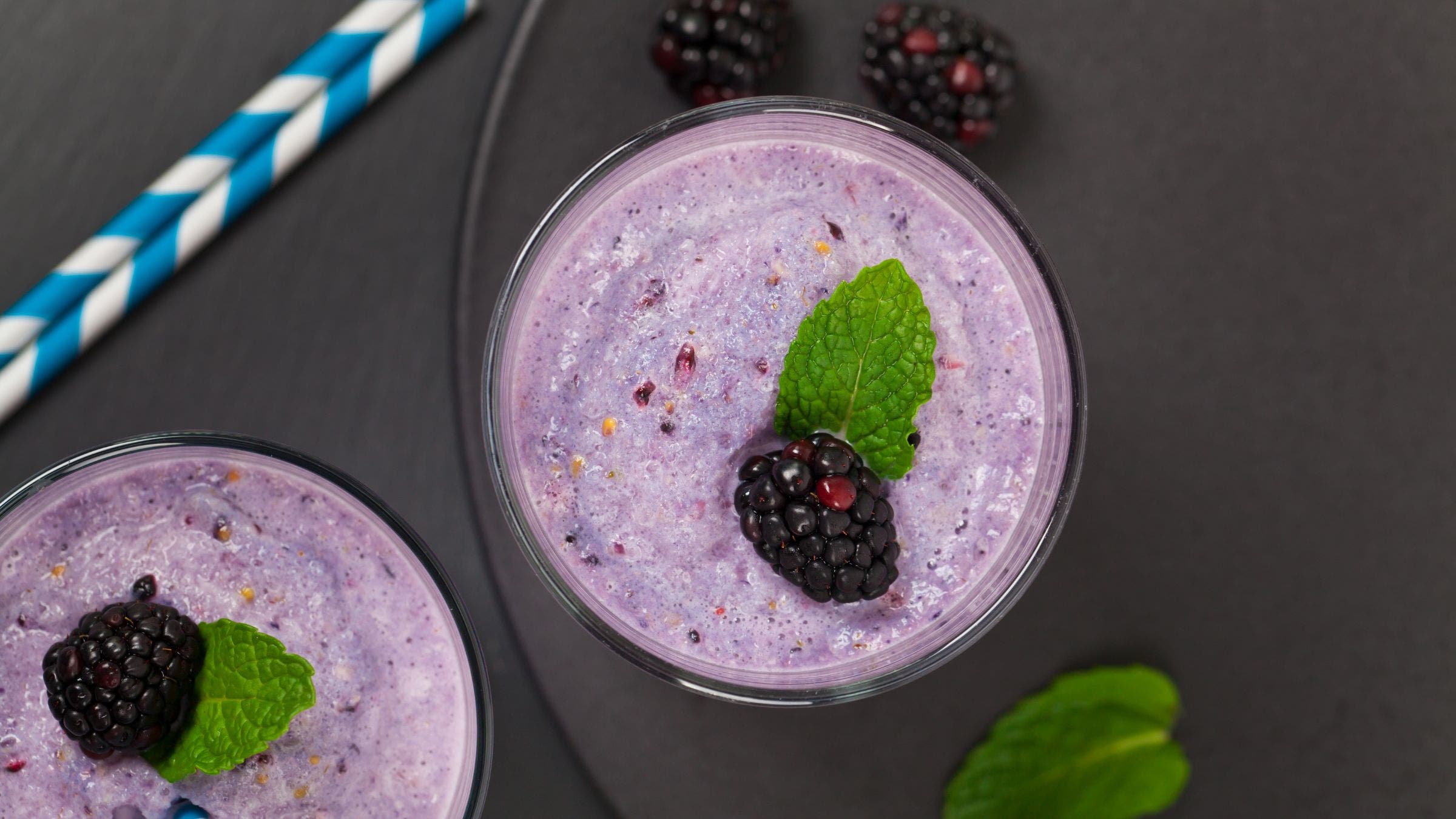
Cottage cheese isn’t always top of mind when considering smoothie ingredients, but it should be. Cottage cheese is packed with protein – about 15 grams in a 1/2 cup serving – to help your muscles recover better from a workout. That makes it a more cost-effective source of protein for smoothies than Greek yogurt or protein powder. Cottage cheese also supplies bone-benefiting phosphorus and vitamin B12 to help with nervous system functioning.
All frozen berries will infuse your smoothie with anti-inflammatory antioxidants, but blackberries go beyond the call of duty by also giving you significant amounts of fiber – roughly 6 grams in a 3/4 cup serving. Blackberries are also full of fiber – something most of us don’t get enough of in our daily diets.
ADVERTISEMENT
Lemony Berry Cheesecake Smoothie Recipe
- 1 cup milk or unsweetened dairy-free milk (or use kefir)
- 1/2 cup cottage cheese
- 1 tablespoon almond butter
- 1 teaspoon maple syrup
- 1 teaspoon lemon zest
- 1/2 teaspoon cinnamon
- 1/2 teaspoon vanilla
- 3/4 cup frozen blackberries
Place all of the ingredients in a blender container in the order listed and blend on high power for 1 minute, or until smooth.
Smoothie Power Pair: Avocado + Dried Plums
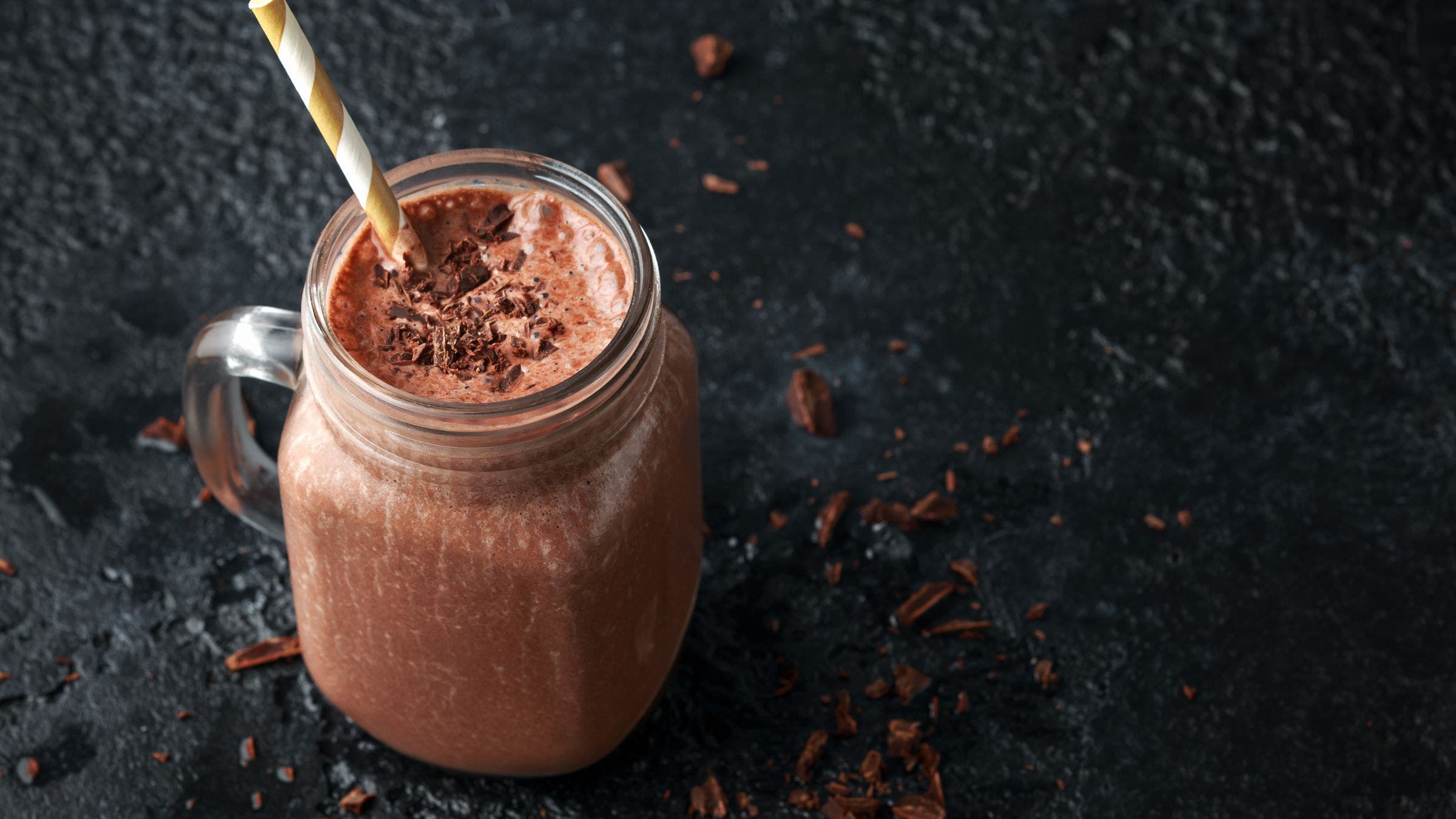
Avocado lends a smoothie a thick, fudgy consistency along with a nutrition payload for athletes including heart-healthy monounsaturated fat, fiber, and a range of micronutrients including folate, vitamin K and potassium. An avocado smoothie is like a milkshake, but way better for you. Consuming at least two servings of avocado per week was linked with a 21% lower risk of a heart attack, compared with little or no intake, researchers reported in the Journal of the American Heart Association. The best avocado for use smoothies are ones that give slightly when squeezed.
Dried plums (or prunes) are an overlooked method of adding natural sweetness to smoothies and are more nutrient dense than dates. The nutritional bounty contained within dried plums includes vitamin K, potassium, phosphorus, vitamin B6, and manganese. Plus, they are typically softer than dates, so they will blend with less effort.
ADVERTISEMENT
Chocolate Fudge Smoothie Recipe
- 1 cup milk of choice
- 1/2 small avocado
- 1 scoop plain, vanilla or chocolate protein powder of choice
- 3 dried pitted plums (prunes)
- 2 tablespoons cocoa powder
- 1/4 teaspoon cinnamon
- 1 cup ice cubes
Place all of the ingredients in a blender container in the order listed and blend until smooth. If the mixture is too thick, blend in additional milk or water.
Smoothie Power Pair: Navy Beans + Tart Cherries
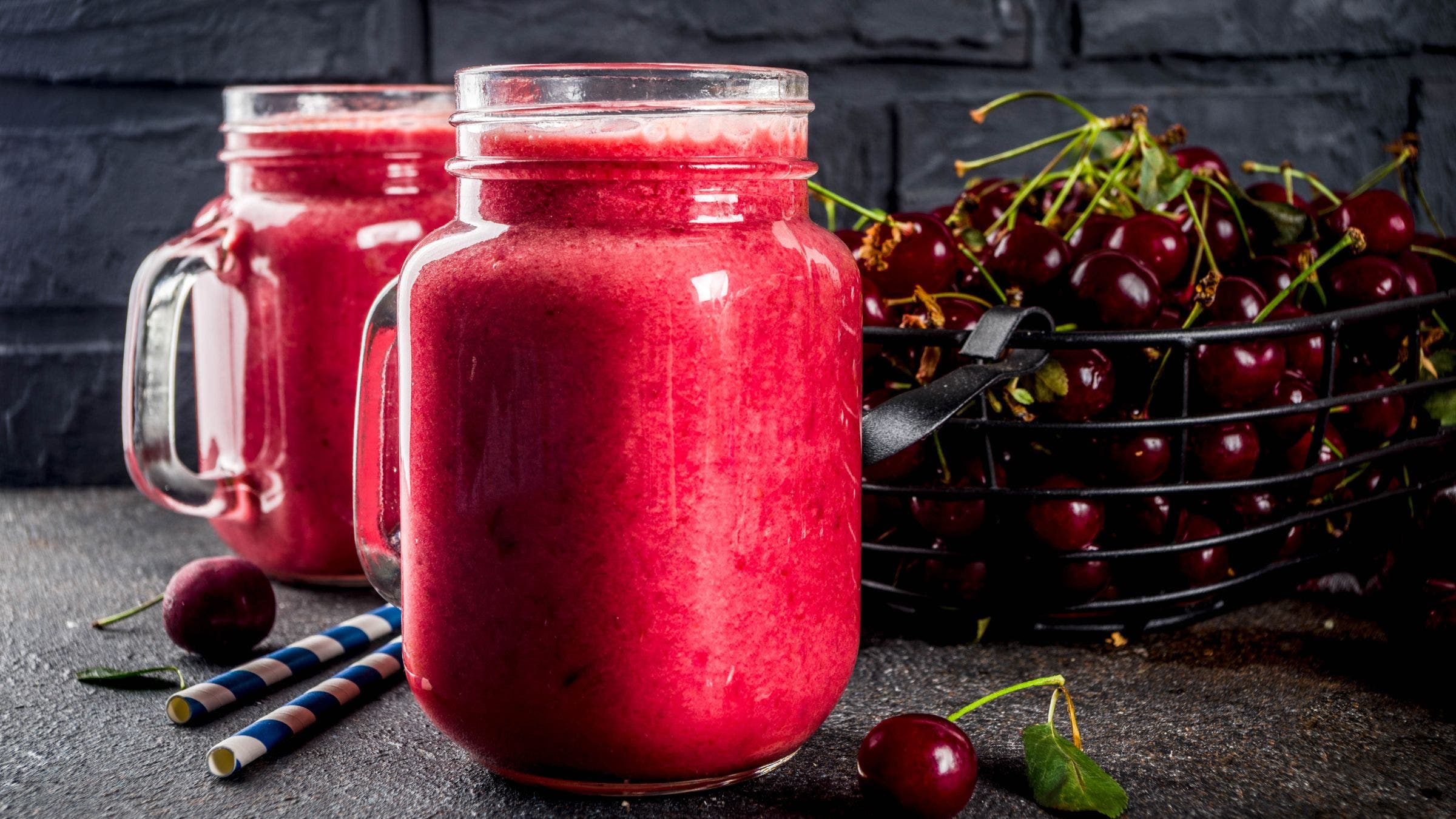
It’s good and all to try to incorporate many different healthy ingredients into smoothies, but navy beans? You bet. They give the drink a creamy texture not to mention a nutritional boost including extra amounts of fiber and plant-based protein. And because they have a more mellow flavor than other beans, they won’t alter the overall flavor much at all.
Over the years, several research studies have shown that the antioxidants in tart cherries can help athletes adapt to training, which may translate into improved performance metrics. That’s why tart cherries are widely considered one of the best post-workout foods. In some stores, you can find bags of frozen tart cherries that are smoothie-ready, but you can also use soaked dried tart cherries to add a nutritional boost to your drink.
ADVERTISEMENT
PB+J Smoothie Recipe
- 1/4 cup dried tart cherries
- 1 cup milk or plain non-dairy milk of choice (or use kefir)
- 2 tablespoons peanut butter
- 2 tablespoons wheat germ (optional)
- 1/3 cup canned navy beans, drained and rinsed
- 1 teaspoon honey
- 1/2 teaspoon vanilla
- 1/2 cup frozen strawberries
Place cherries in a bowl, cover with warm water, and let soak 20 minutes. Drain cherries and place them in a blender container with the other ingredients and blend until smooth.
Smoothie Power Pair: Watermelon + Hemp Seeds
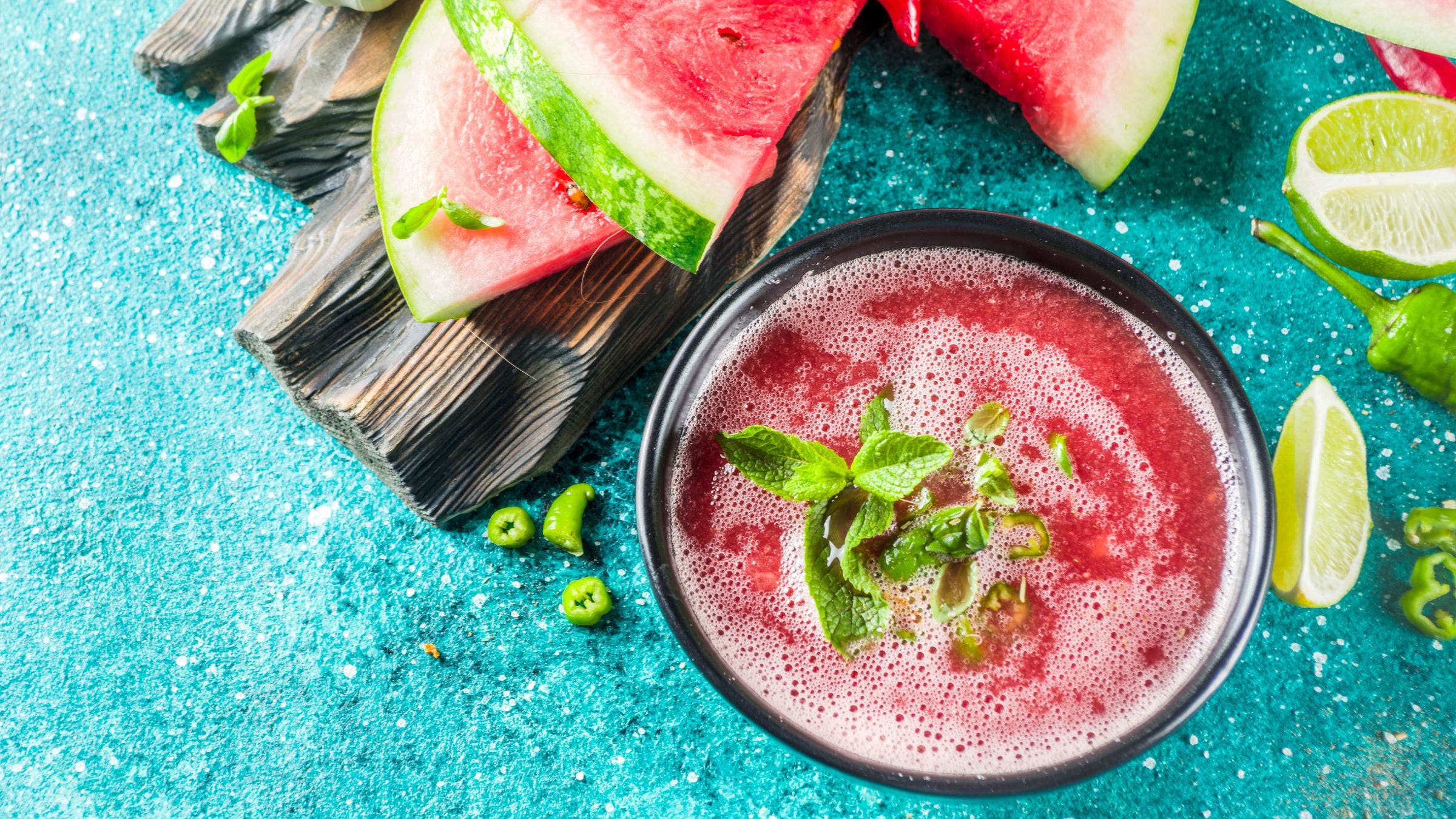
Banana and berries aren’t the only fruit you should be blending. Watermelon is a naturally sweet addition to smoothies and true to its moniker is full of water to help with rehydration efforts. Plus, it’s a reliable source of lycopene—a potent antioxidant that contributes to cognitive longevity.
And don’t overlook hemp seeds as a smoothie addition: The subdued cousin of cannabis delivers great nutty flavor along with a praise-worthy amount of protein – about 10 grams in each 3 tablespoon serving. To up its nutritional cache further, the seeds are laced with must-have omega fatty acids and magnesium, a mineral that the National Institutes of Health says is involved in more than 300 enzyme reactions in the body including those that regulate DNA production, protein metabolism, and bone formation. Herbs like mint or basil are a great way to add summery fresh flavor to blender drinks for virtually zero calories.
ADVERTISEMENT
Minty Watermelon Smoothie Bowl Recipe
- 2 cups chopped watermelon
- 1/2 cup plain Greek yogurt or cottage cheese
- 3 tablespoons fresh mint
- 2 tablespoon hemp seeds (hemp hearts)
- 2 teaspoons fresh lime juice
- 1/2-inch piece fresh ginger, chopped
- 1 tsp honey
- 1 cup frozen raspberries
Place all of the ingredients in a blender in the order list and blend until smooth and thick. Pour into a serving bowl. Garnish options included nuts, seeds, cacao nibs or granola.