Published February 5, 2026 06:00AM
Build a Strength Training Plan that Works for You (So You Actually Do It)
The best triathlon strength training plan is one you’ll actually do. We’ve rounded up years of expert advice and plans to help you find a good fit.
The right strength training plan is one you'll actually do. Here are expert tips to make that possible. (Photo: Patrick McDermott/Getty Images For Ironman)
If you’re a triathlete, you probably really like swimming, biking, and running. As a cardio junky, it might be hard to pull yourself away from your sport-specific training plan to focus on strength training.
But with the right strength training program, you can achieve your best season yet and prevent injuries from sidelining you. The key is building or finding a strength training program that helps you build functional strength in the various muscle groups.
No, you don’t need to get bulky or look like some sort of bodybuilder. Functional strength focuses on lower weights and more reps to help you achieve your cardio goals with a proficient body.
Getting started in strength training
Scared of Strength Training? Start with These 7 Moves

Don’t let the gym intimidate you away from getting started with strength training. Instead, focus on activities you can do at home with bodyweight and free weights. These seven exercises are beginner-friendly and the perfect place to get started. Watch the videos from certified personal trainer Kevin Purvis to learn proper form for performing these easy at-home exercises.
Choose Your Own Adventure With This Mix-and-Match Tri Strength Workout
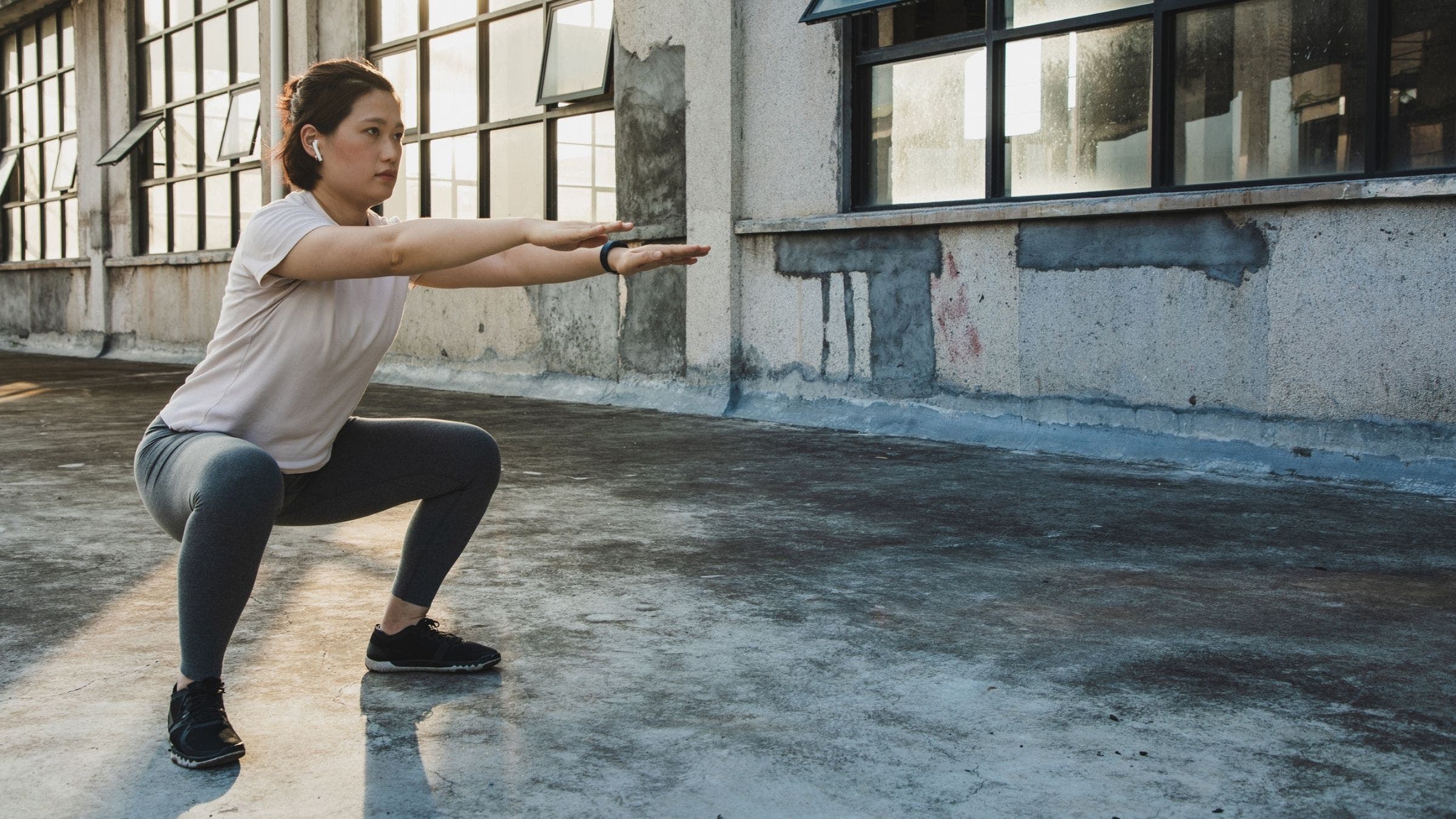
Build your own triathlon strength training workout by pulling from a list of activities that build each part of the body that’s essential for triathlon performance. Many of the exercises are beginner-friendly, making it easy to integrate them into your existing training plan without missing key workouts.
Strength training routines tailored to triathletes
This Ancient Warrior Tool Could Unlock New Strength-Training Gains
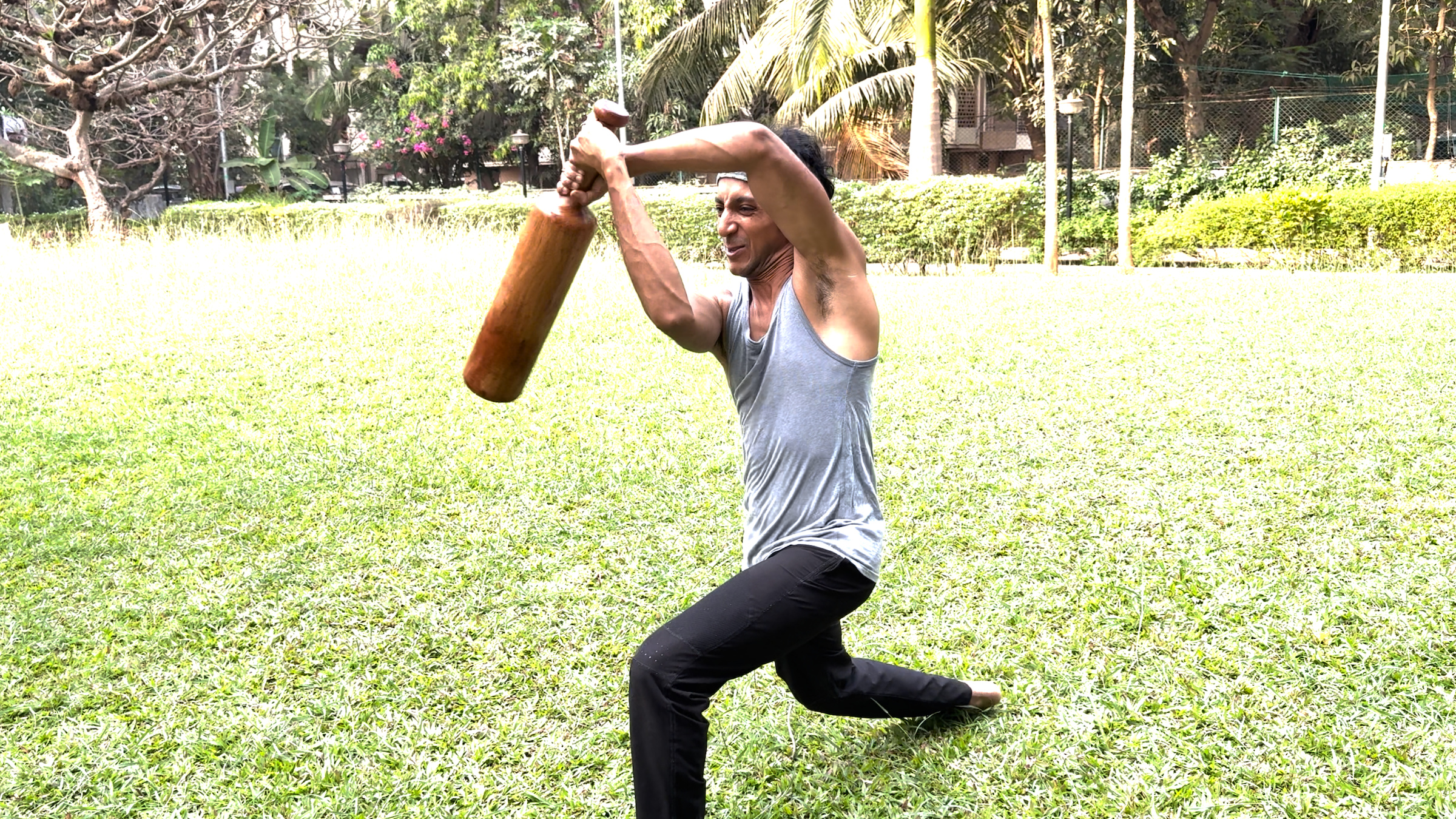
If you’ve found yourself avoiding strength training because you’re tired of doing the same moves on repeat, this routine is far from ordinary. The gada and the mudgal are types of Indian clubs that will spice up your strength training routines with a totally new (and, dare we say, fun) way of building strength that will guide you through your triathlon season.
A Strength Workout for Major Indoor Training Gains
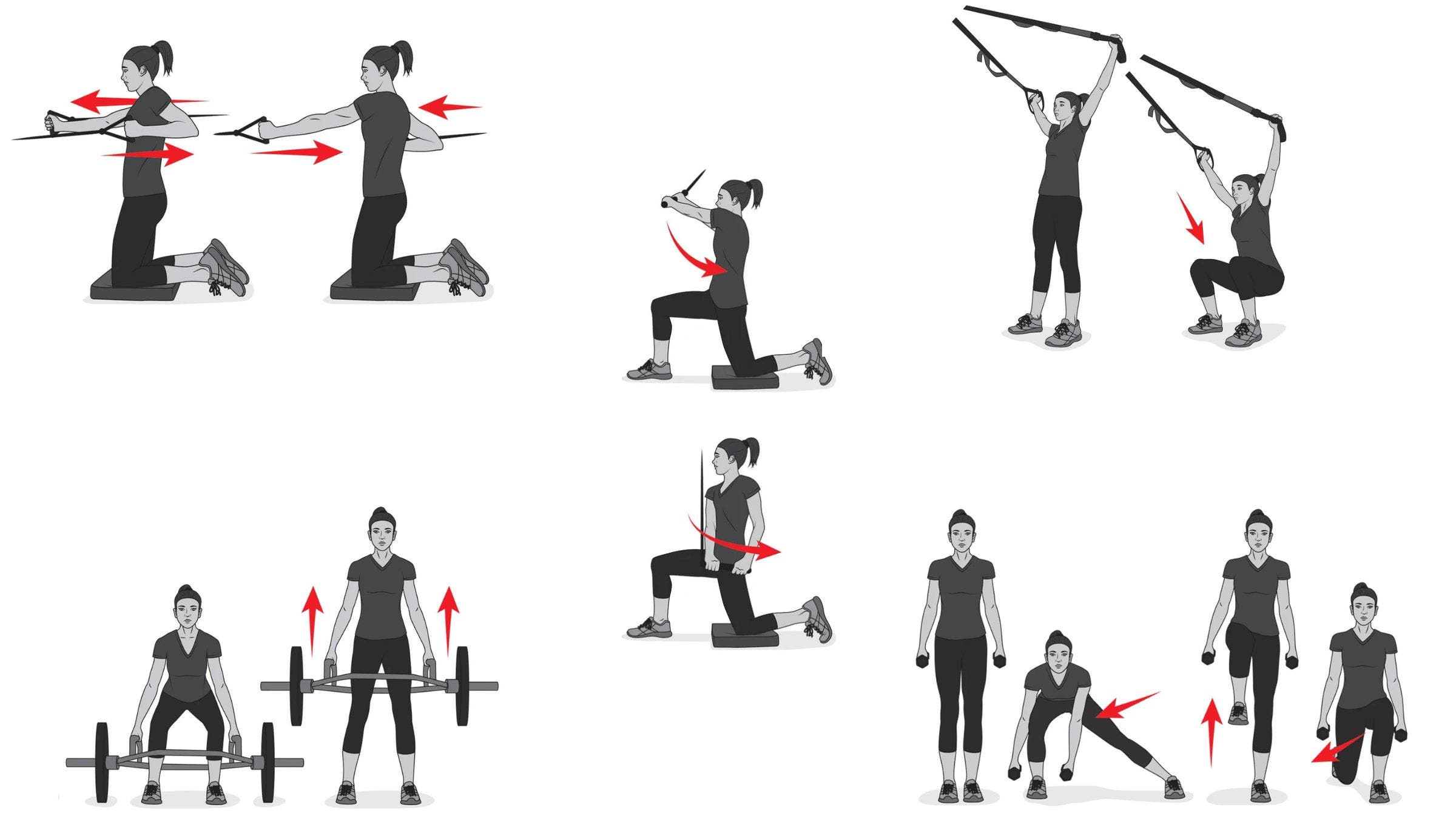
Use the off-season to fortify your muscles, joints, and bones to make for a better season ahead. If you avoid training when it’s chilly outside anyway, this strength routine will make the most of the season while you do shortened indoor swimming, biking, and running. Plus, the stronger you are, the more fatigue resistance you’ll have.
What’s the Best Strength Workout for Triathletes Over 50?
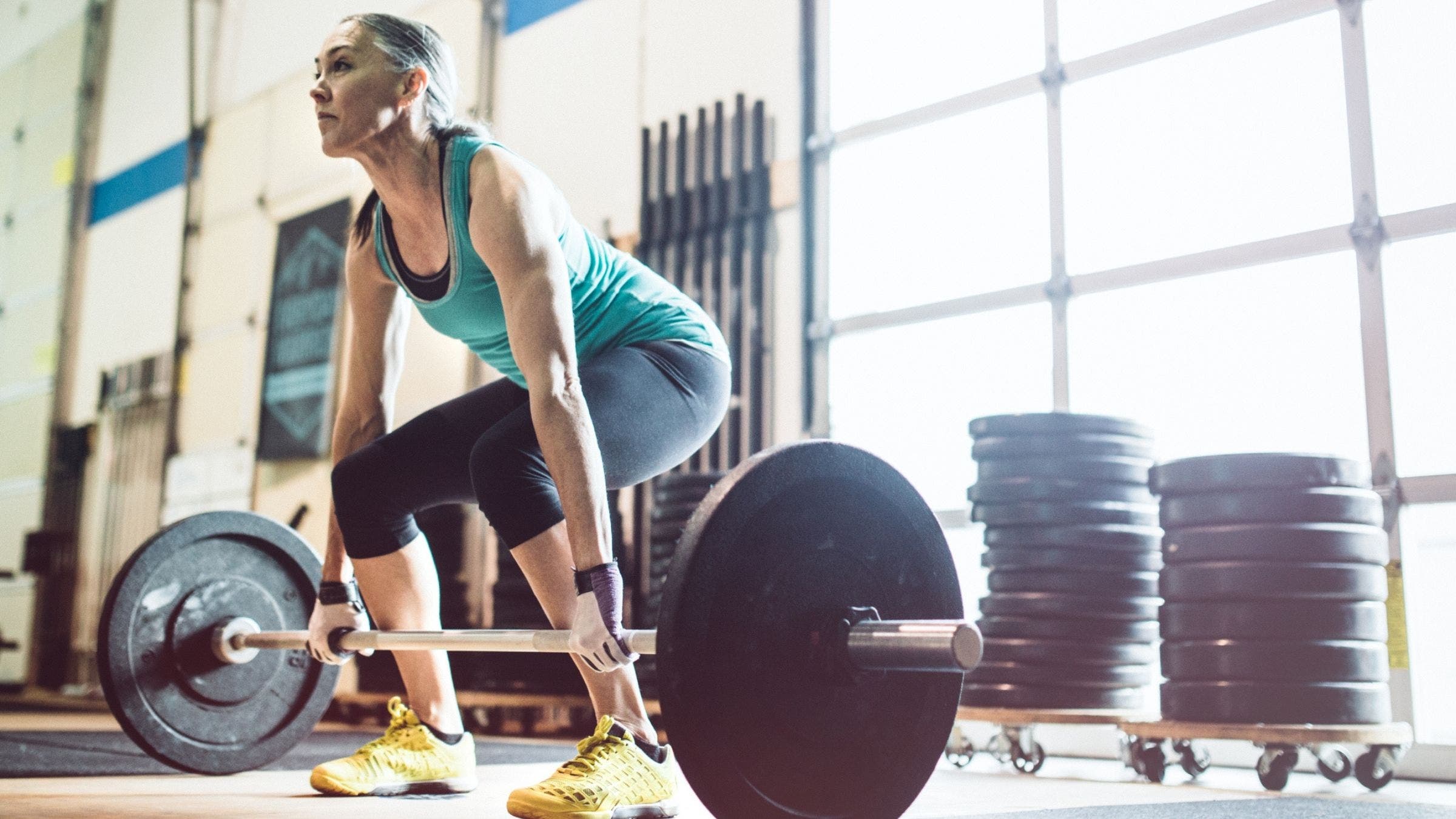
As you age, you might feel that the best strength training routines are likely those that take a conservative approach. But research shows that doubling down on strength training in your 50s and beyond provides better speed and power output, fewer injuries, and quicker recovery during triathlon training. Find a strength training plan designed for Masters athletes with modifications based on your experience level.
A guide to strength training for triathletes
The Key to Strength Training for Triathletes
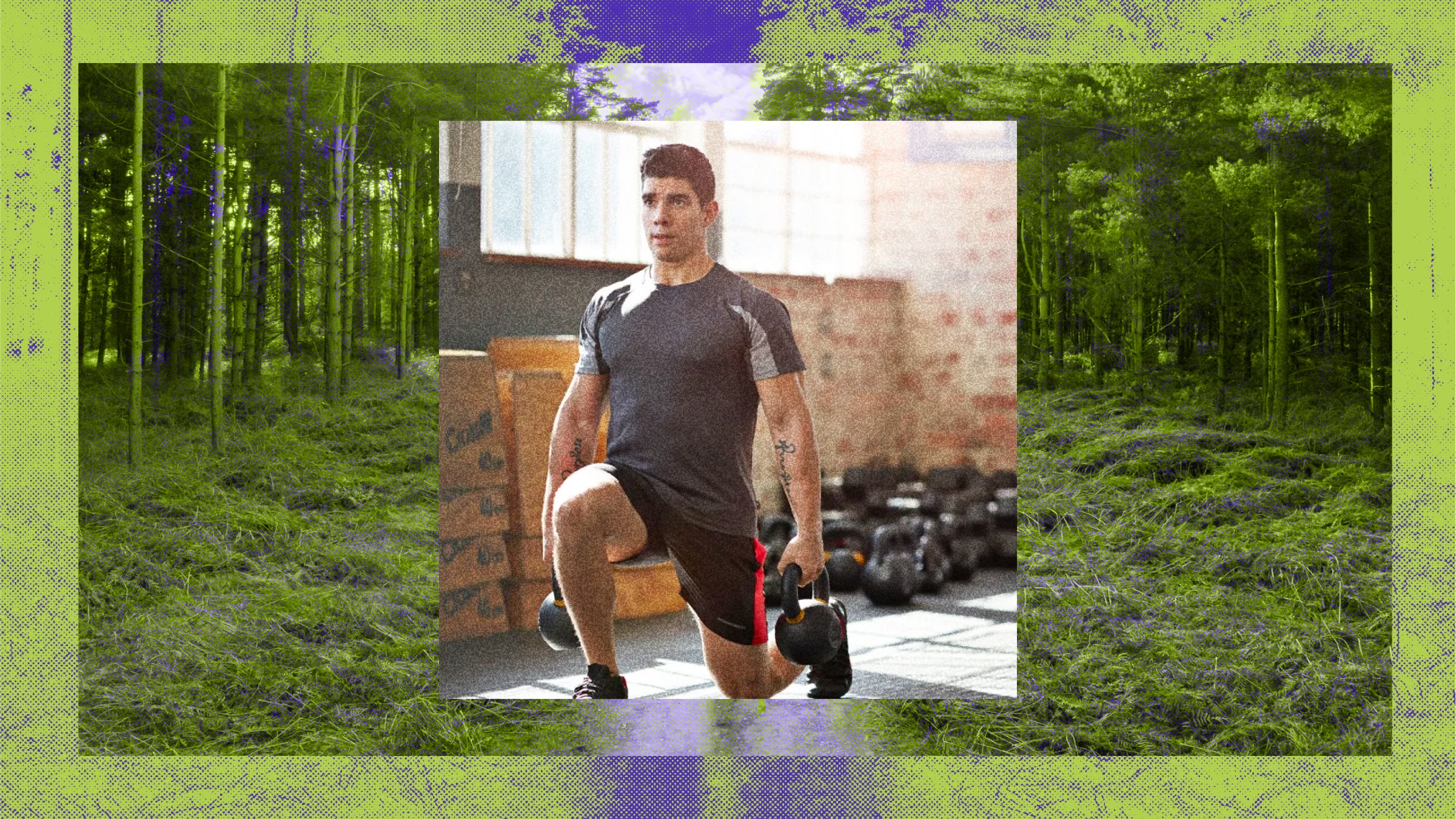
A low-weight, high-rep strength training program prepares your musculoskeletal system for cardiovascular efforts on race day. And all you really need to build that strength is 30 minutes a couple of times per week. Prevent injury, become a better all-around athlete, increase your power, improve body mechanics, and improve balanced power return using this strength training routine.
Why Strength Training is Important for Endurance Athletes
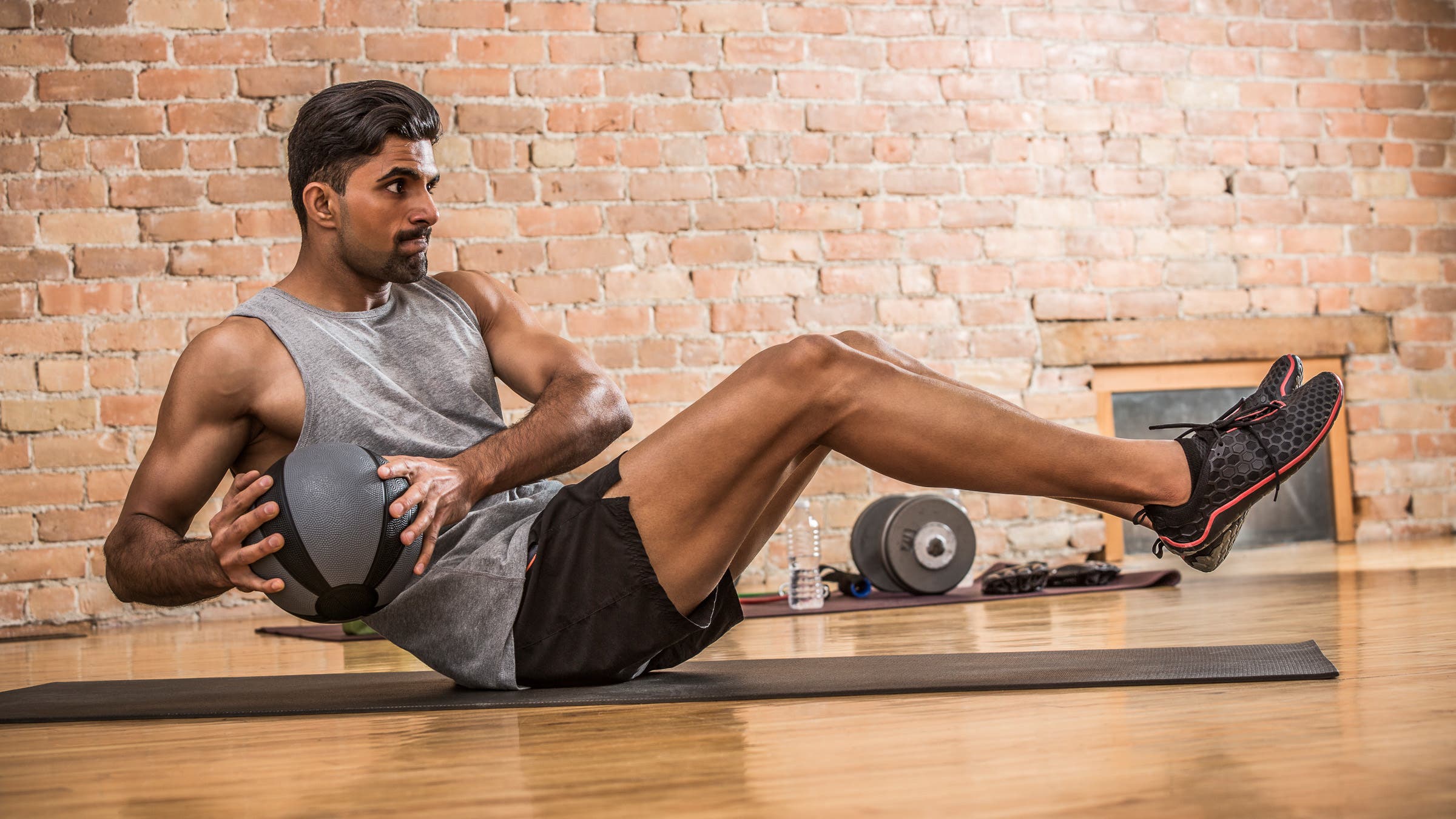
If you’ve never suffered an injury setback or you’re naturally fast, you might be wondering what the point is in engaging in a strength training program for triathletes. But the research into strength training for endurance athletes is quite compelling. Even athletes at the top of their game can benefit from strength training by building muscular endurance, hypertrophy, power and strength.
Weights Might Help Newbies, But Experienced Triathletes Need More
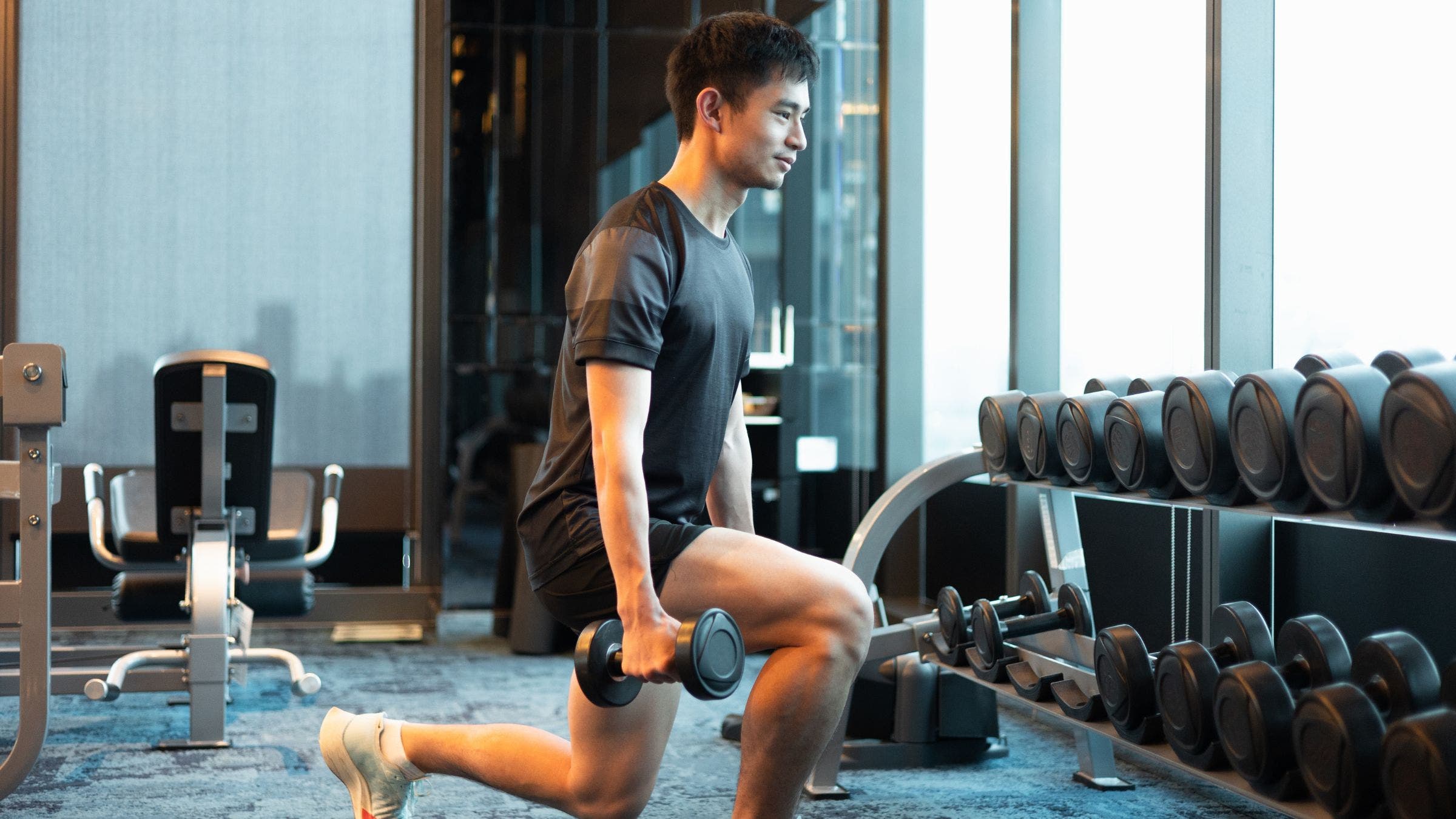
As your fitness and triathlon skills increase, so do your strength training needs. While a simple free weight routine might have been right when you got into the sport, you may need plyometric training to practice the explosive nature of biking and running. Some research showed an improvement in running economy after just six weeks of plyometric training.
5 Common Errors Triathletes Make in Strength Training
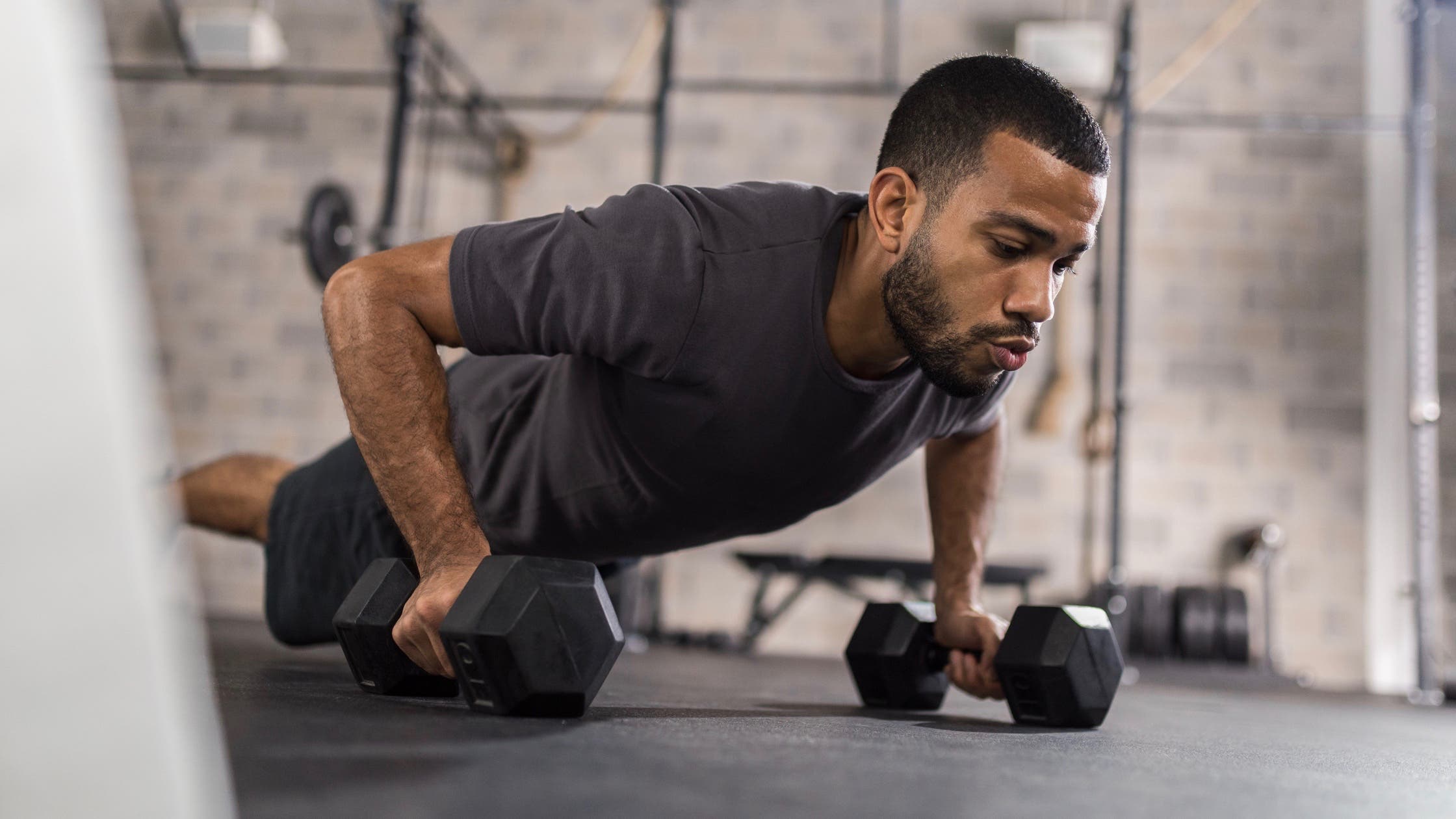
For many triathletes, strength training is an afterthought – or that thing they do because their coach says they must. So it’s not surprising that triathletes frequently make errors in their strength training. Avoid the most common errors to make the most of your strength training routines.
Hate Strength Training? More Now Means Less Later
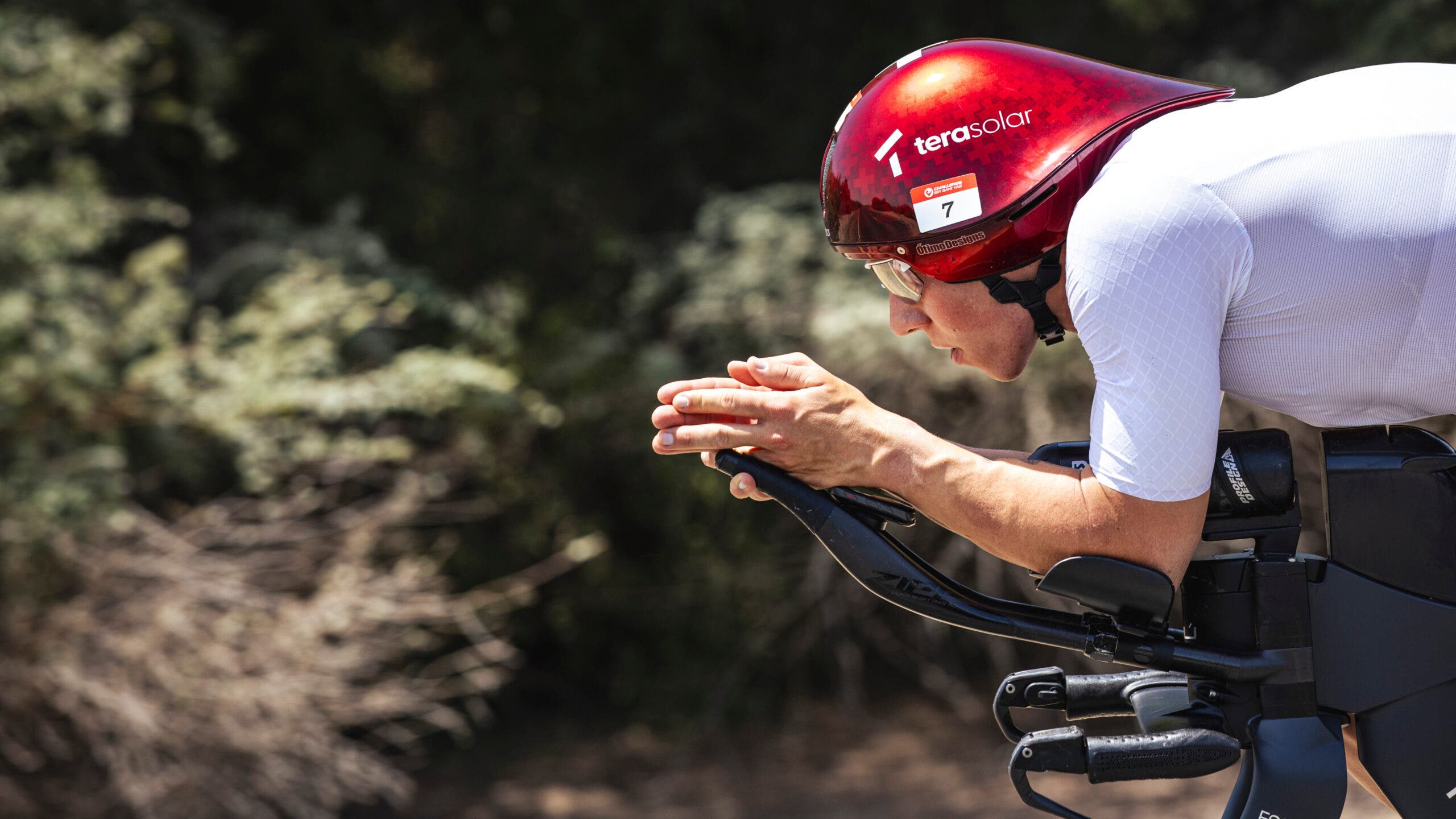
The off-season is the ideal time to build a strong muscular base. By doing so during the quieter months of training when your schedule has less strain from swimming, biking, and running, you actually ensure you don’t have to do as much during the season. That might sound counterintuitive, but building strength requires more frequency than maintaining strength.
You Need to Fuel Strength Training Differently. Here’s How to Do It Right.

Your dietary needs shift based on the type of training you did. So while you need some protein alongside carbs after triathlon training, you need far more protein after strength training if you hope to build muscle. Board-certified sports dietitian Susan Kitchen breaks down how to get adequate protein from both animal and plant sources to fuel strength training for triathletes.