Published January 7, 2026 06:00AM
Expert Tips to Transform Your Triathlon Swim
Swim faster, come out of the water fresher, and boost your triathlon confidence with swim advice from experts.
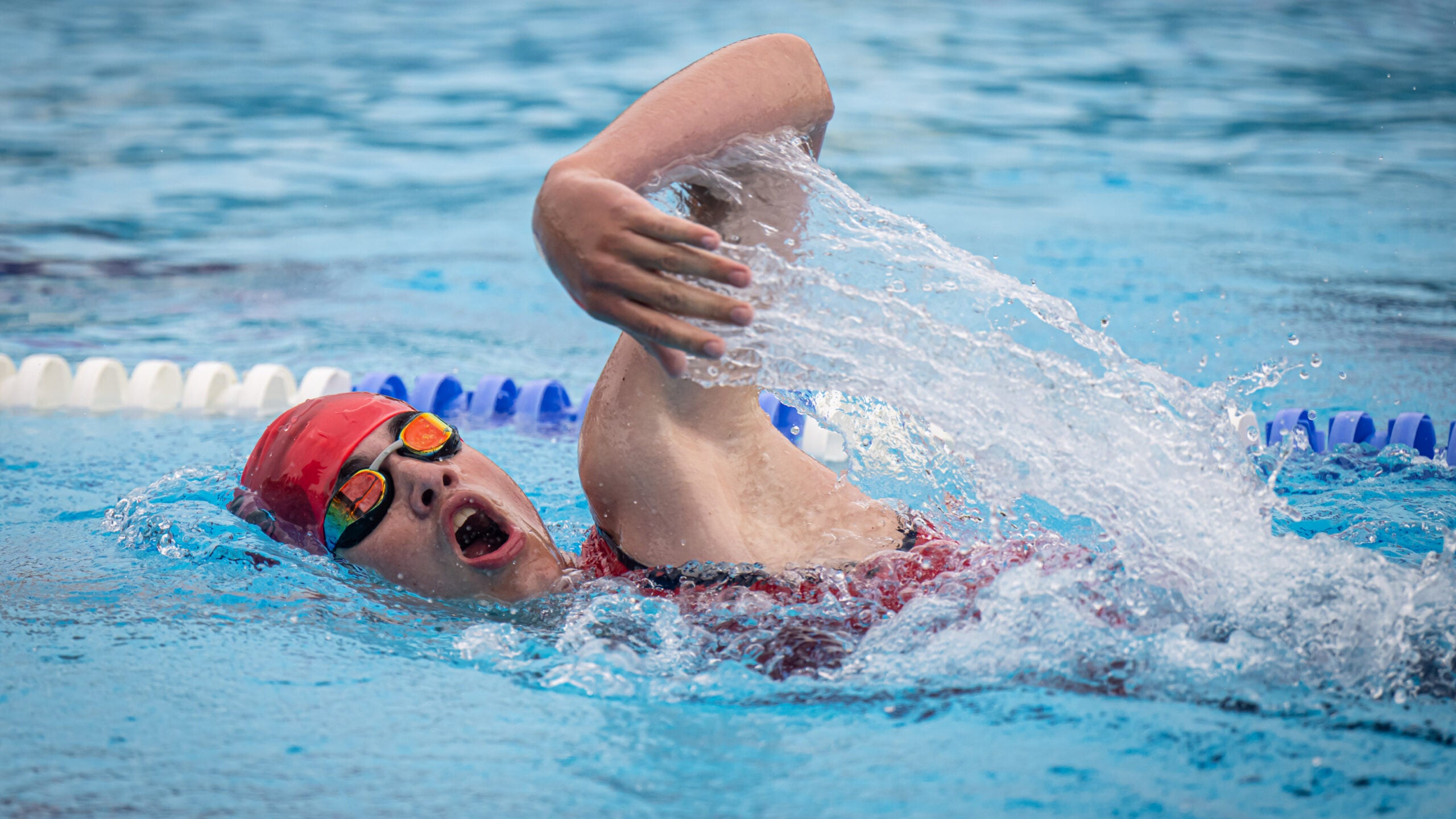
We've been covering tips for how to improve your triathlon swimming for decades. We pull that advice together to help you swim faster and more efficiently. (Photo: Challenge Family)
Swimming tends to evoke strong feelings in triathletes: they either love it or hate it. And because the swim leg is the shortest distance of the race, it doesn’t always get the attention it deserves in training and race preparation.
But for triathletes willing to put in the work, swimming can become a source of strength, rather than something to simply tolerate. We’ve spent decades gathering tips and insights from the best and brightest minds in triathlon swimming. Whether you’re a new triathlete getting started in the sport or an advanced triathlete looking to dial in your technique, let the experts help you make this the year you become your best swimming self. These are Triathlete‘s top articles for triathlon swimmers of every level – read them, love them, and share them with your training buddies (unless, of course, you’re hoping to beat them out of the water at your next race).
General swimming for triathlon tips
A Beginner’s Guide for Learning How to Swim for Triathlon
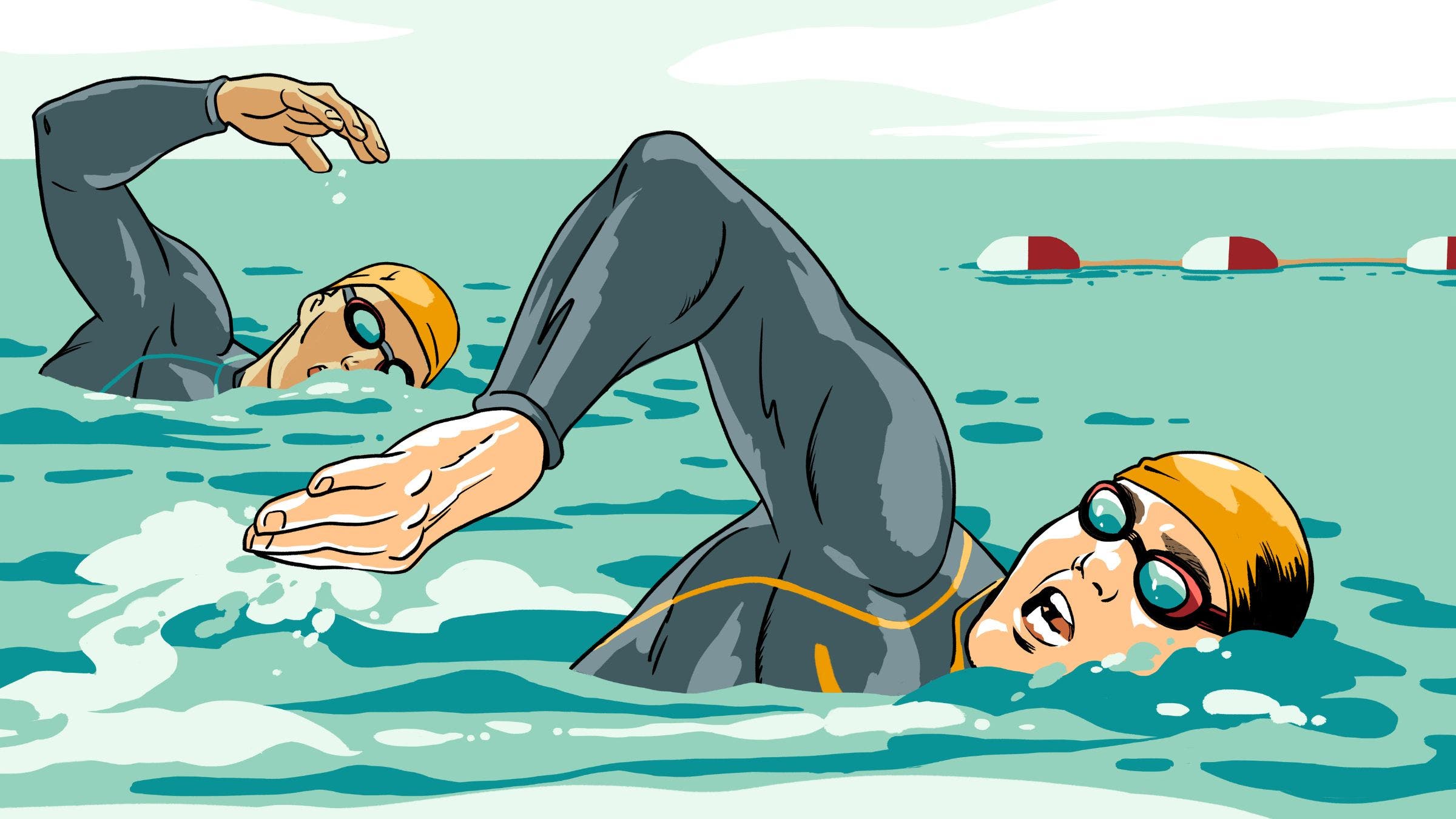
If you’re a complete beginner, this is the place to start, as it covers everything adults need when starting swimming. Overcome fear of getting in the water, if that’s never been your comfort zone, and learn about body position in the water, alignment, propulsion, solving common mistakes, and more.
3 Swim Workouts For Beginner Triathletes
Once you decide to get in the pool as a new triathlete, you might start to wonder “what now?” Get workouts designed specifically for those new to the sport to improve skills and comfort in the water.
Your 6-Week Training Plan to Unlock New Swim Speed This Winter
Established triathletes ready to get faster this season can follow this six-week plan that includes technique, pacing, strength, and speedwork. You’ll complete five workouts per week to provide concentrated time working on swimming over the winter.
Mastering Triathlon Swim Training

How you triathlon swim train matters. Building the right workout structure, training routine, intensity, and training week architecture makes all the difference in whether you’ll see improvements from your training. Triathlon swim expert Gerry Rodrigues walks you through how to structure your swim training.
Getting to know freestyle swimming
The 4 Phases Of The Freestyle Swim Stroke
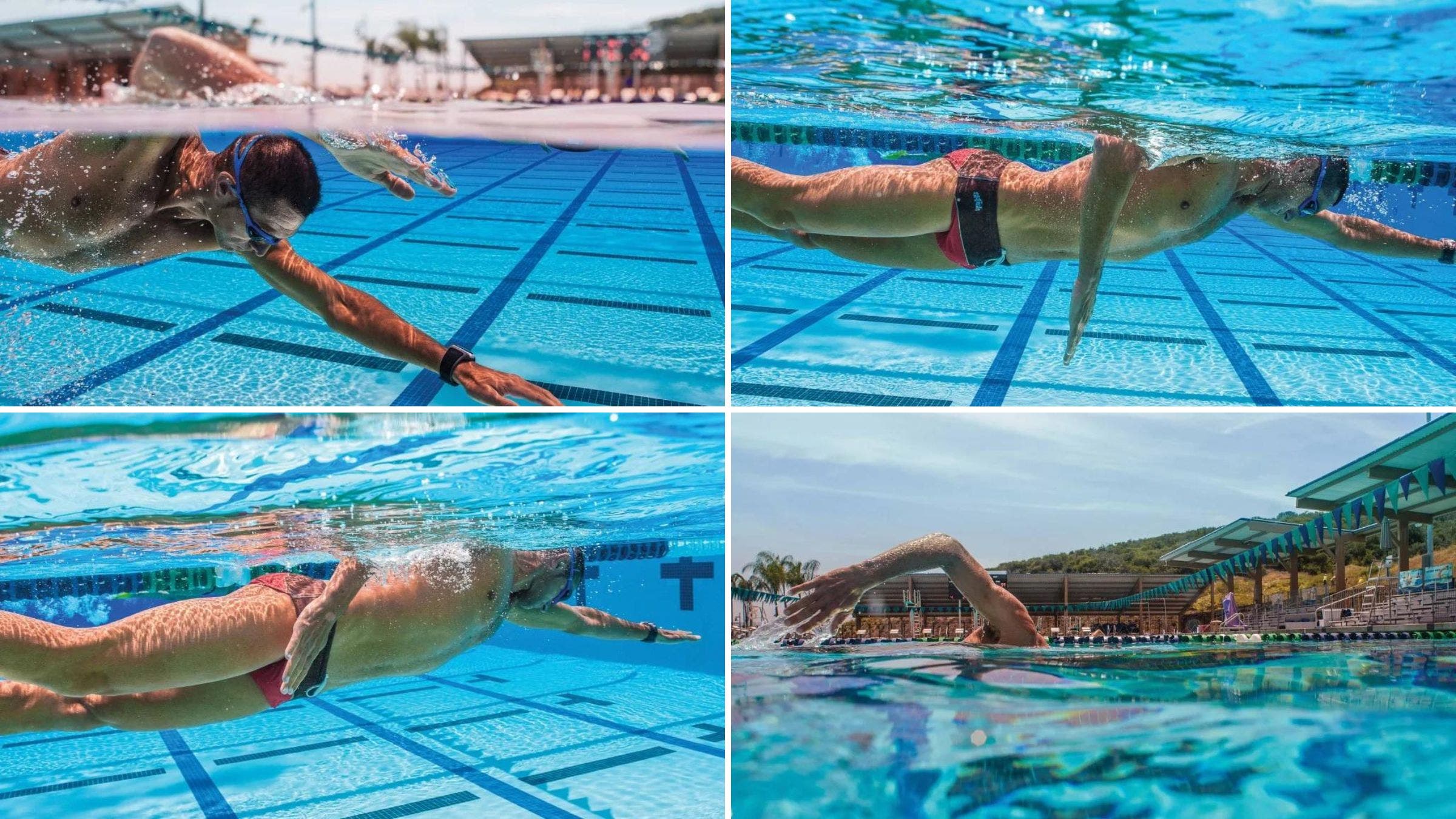
Whether you’re new to freestyle swimming or have spent time in the pool regularly for years, getting to know the four phases of the freestyle swim stroke can help you evaluate where your stroke needs work to build better efficiency. Get drills for developing each phase of the stroke and workouts that apply those skills.
The 7 Most Important Aspects of Freestyle Swimming
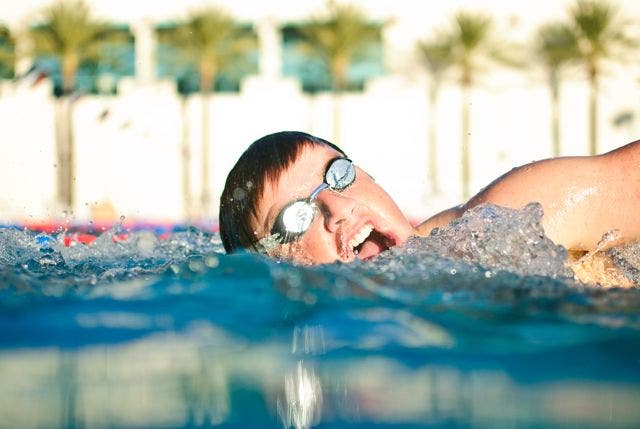
You might think you know everything about triathlon swimming, but getting back to the basics could help you improve your swimming skills this year. Sara McLarty breaks down the seven most important freestyle swimming aspects, starting with the basics, like remembering not to hold your breath but to exhale between breaths.
Improving swim technique
Do’s, Don’ts, and Drills for Every Part of the Freestyle Swim Stroke
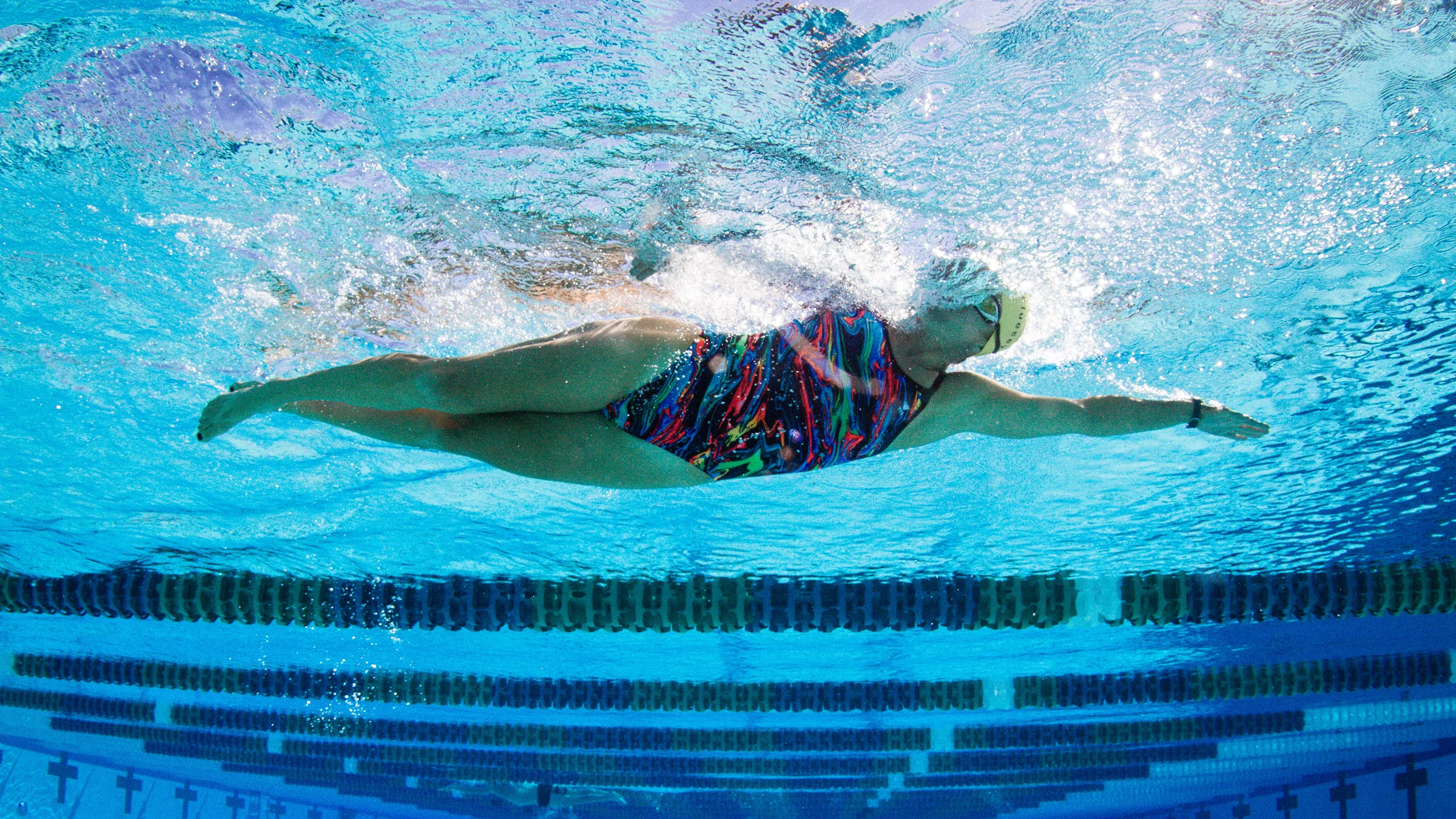
After reviewing the four phases of the freestyle stroke, learn how to improve each phase with do’s and don’ts from swim expert Sara McLarty. Each section includes drills to help you work on your weaknesses.
Why (And How) to Learn to Bilateral Breathe
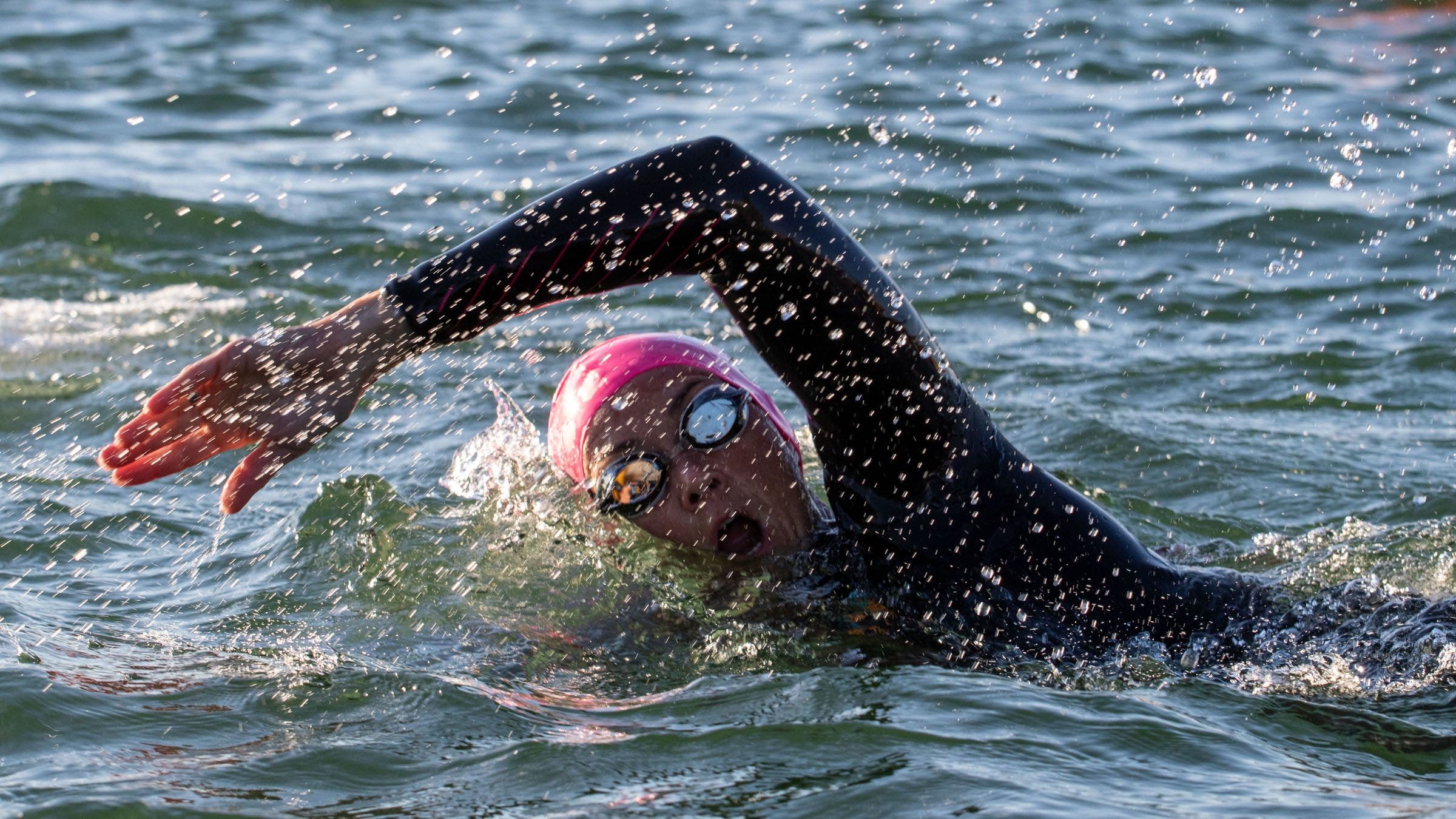
Most triathletes have a side they are more comfortable breathing on during freestyle swimming. For some, it’s the side that provides a smoother stroke and greater stability. Others find that it’s simpler to practice breathing to only one side, especially during drills or speedwork. But bilateral breathing offers triathletes options to deal with traffic, chop, and make the most of swim efficiency by breathing less often. Discover how to incorporate bilateral breathing into your swim training.
My Feet and Hips Sink When I Swim. How Do I Fix It?
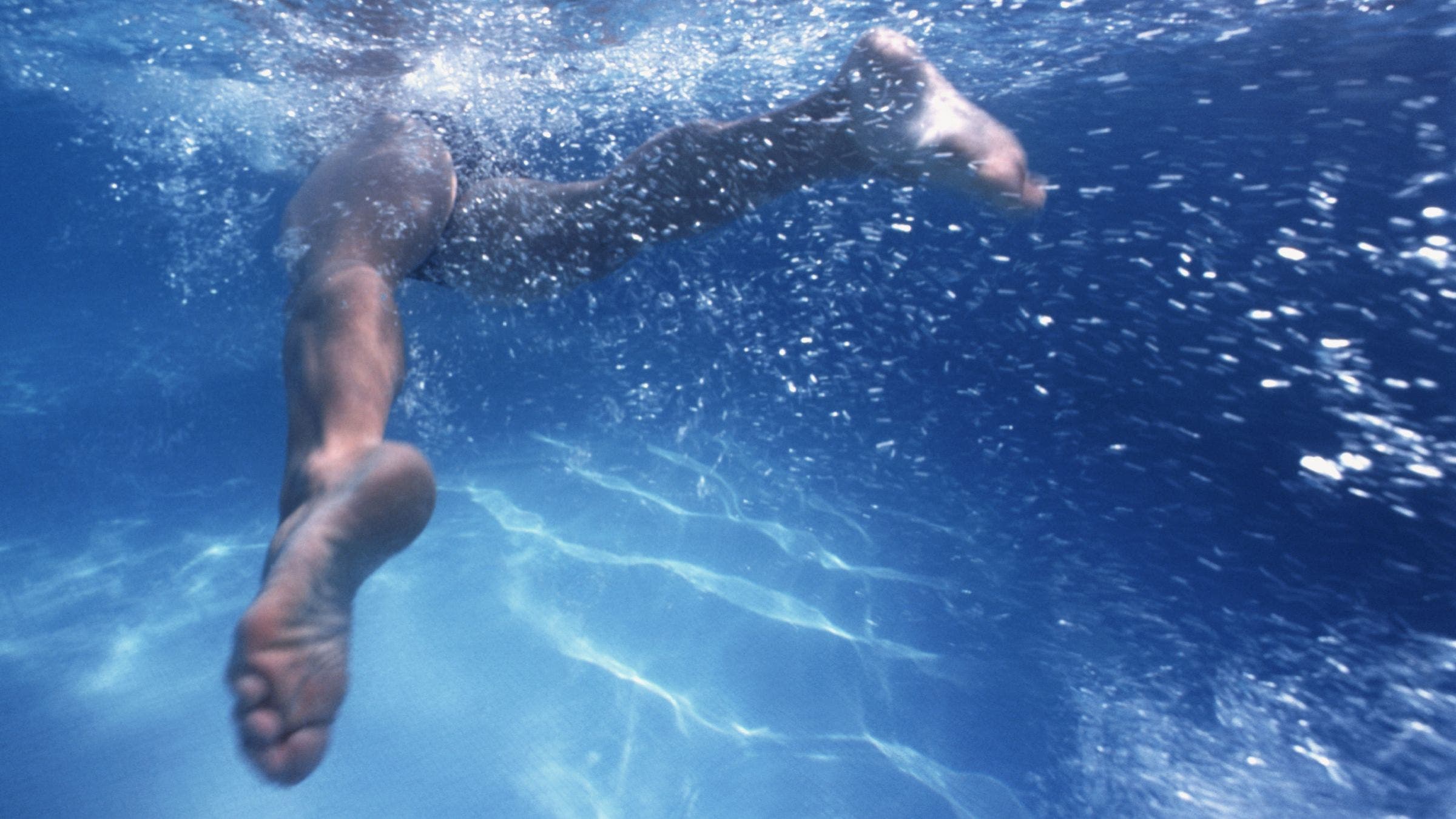
When your feet and hips sink when you swim, it creates more drag, which leads you to get tired faster. If this is a problem for you, you’re not alone. Many triathletes have struggled with this, which is why swim expert Andrew Sheaff offers practical tips for solving this challenge.
What Is The Ideal Stroke Rate?
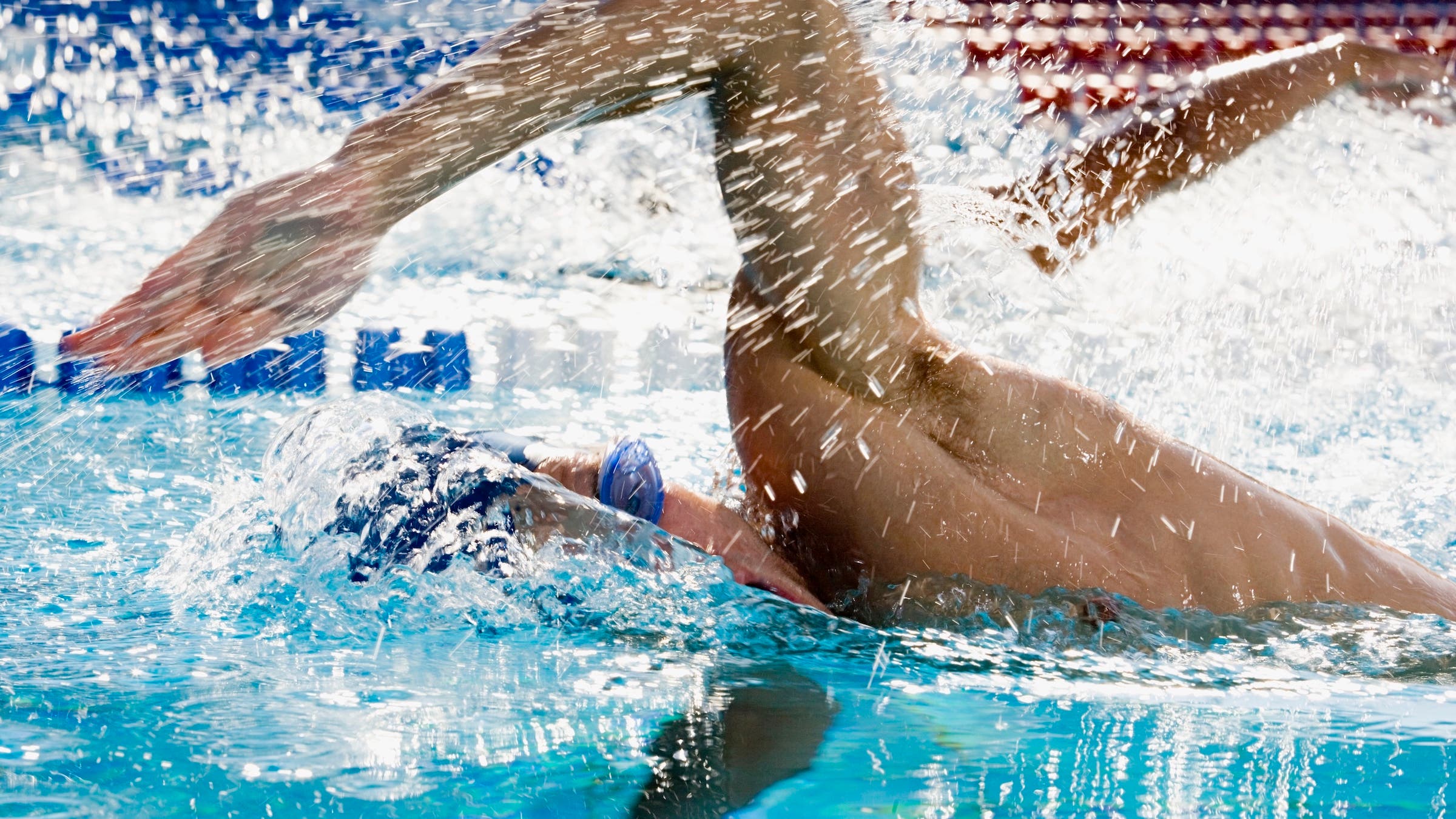
Just how often should your arms turn over per minute when swimming? That is your stroke rate, which can offer insights into your swim technique efficiency and prevent you from using too much energy during the first leg of a triathlon. Three-time Olympic medalist Gary Hall Sr. explains how to calculate your stroke rate and find the right one for you.
Freestyle Swim Technique to Speed up Your Triathlon Finish Times
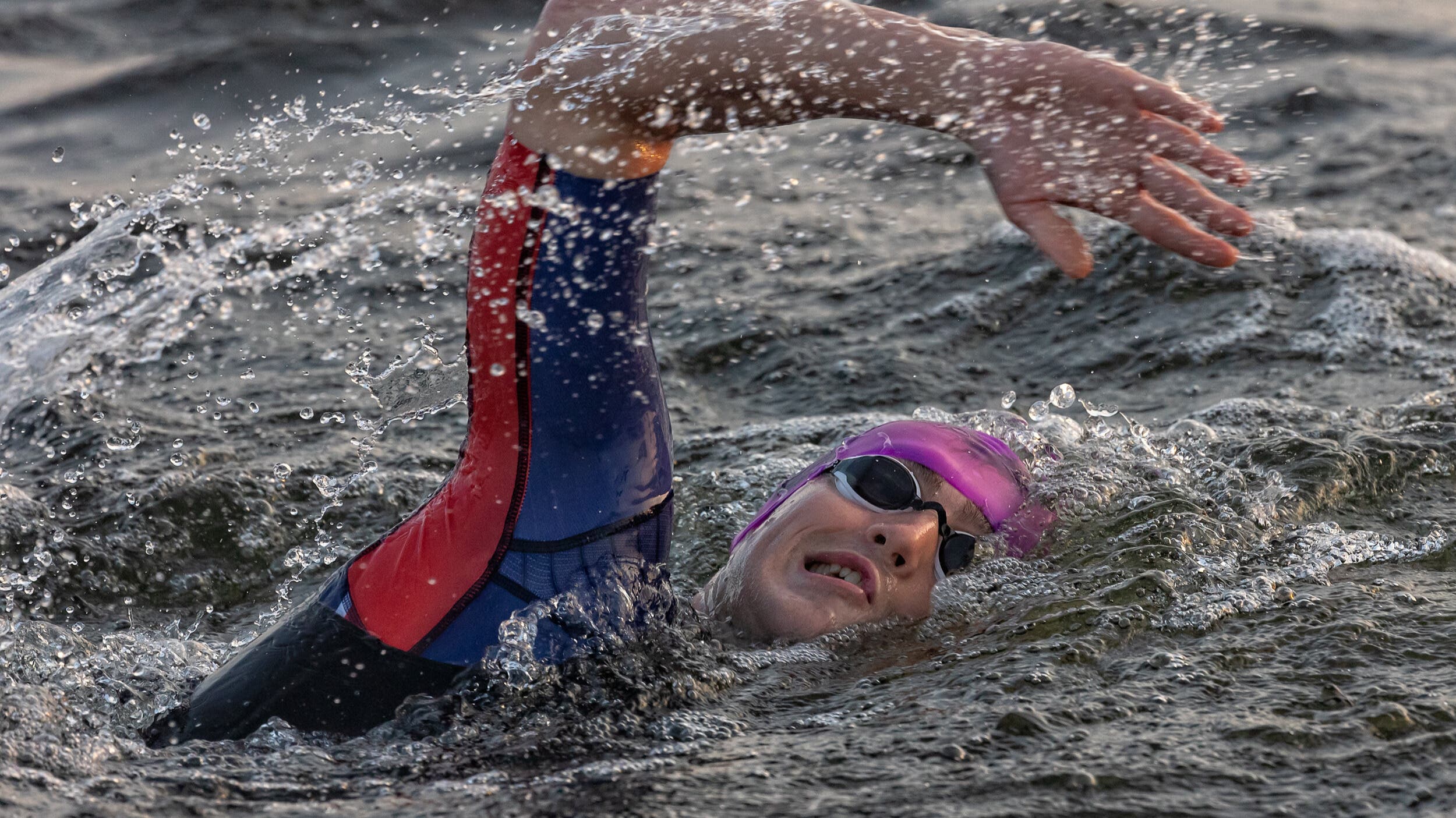
In swimming, your VO2 max is often not the predictor of your swim speeds. Incredibly fit athletes can struggle to swim well due to issues with their technique that significantly slows them down. Learn from a triathlon swim coach why tautness might be what’s missing from your triathlon swim technique.
Pick The Swim Drill For Your Weakness
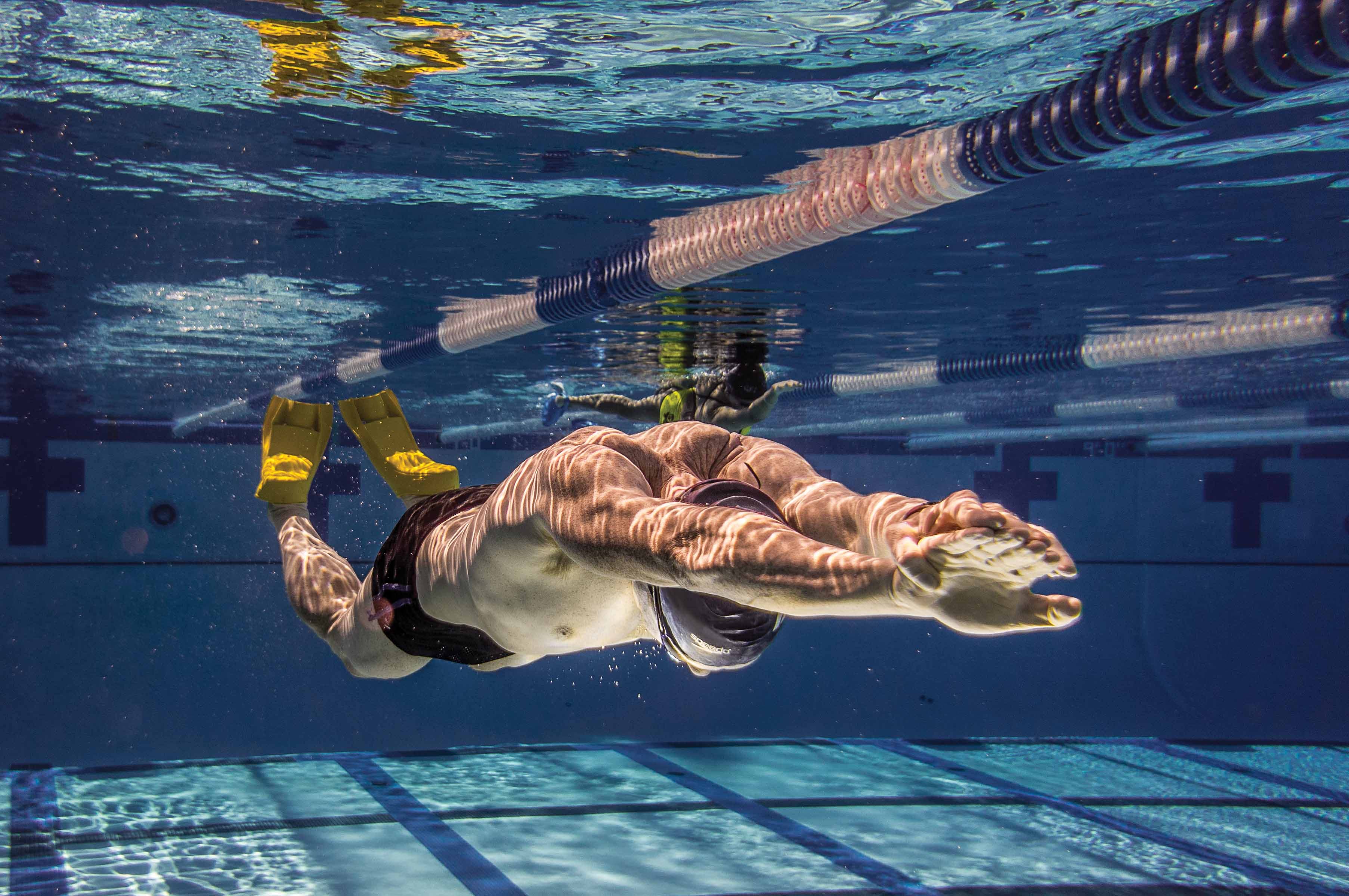
Love them or hate them, swim drills are an essential aspect of making swim improvements. Find the right drill for you based on the area of your swim that needs improvement. From kicking that provides true propulsion to gliding smoothly to get the most from each stroke, you’ll find the tools to become a more efficient athlete this year.
Triathlon swim racing tips
Why Are Triathletes Always Surprised by Swim Starts?
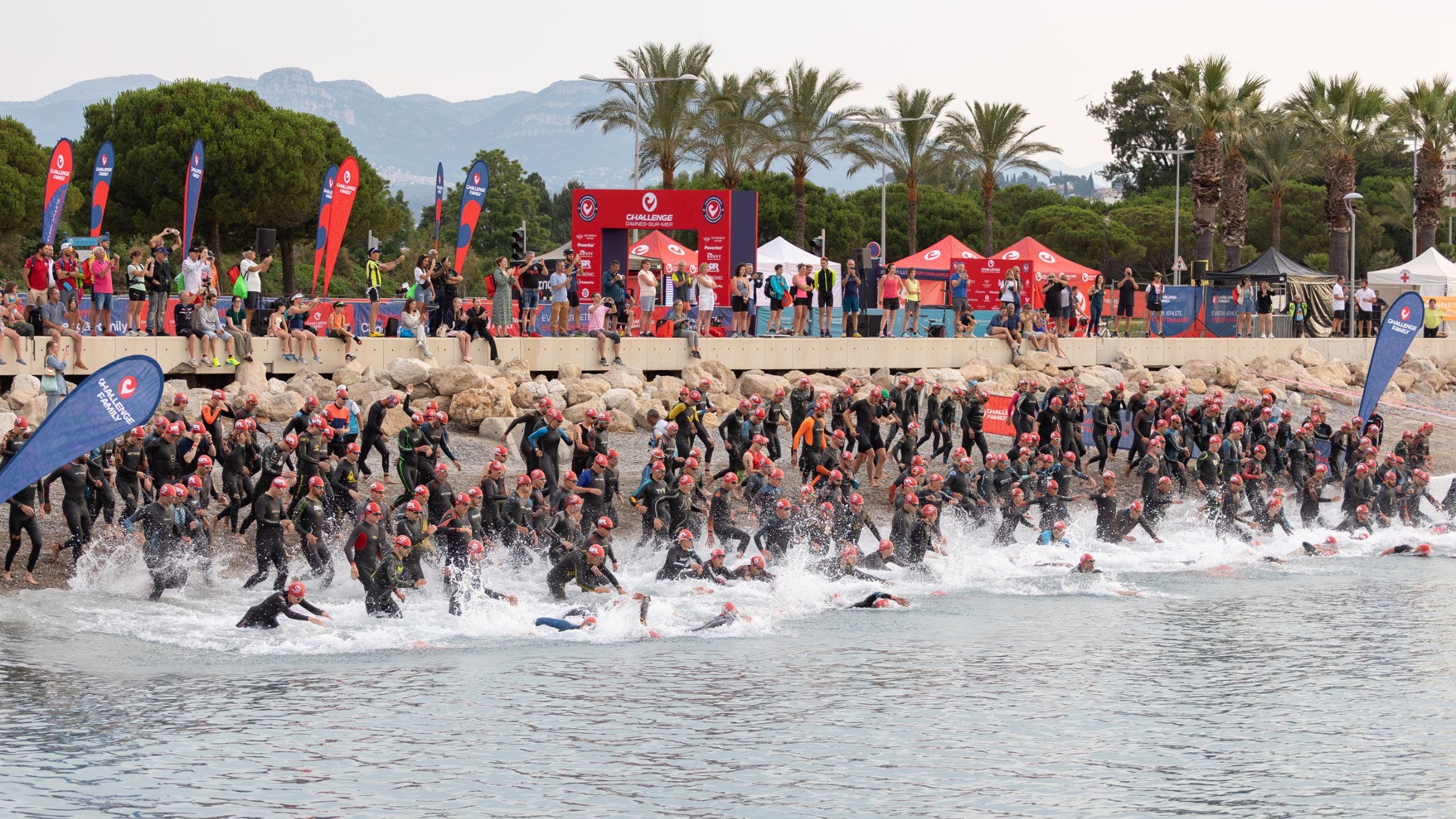
Do enough triathlons, and you’ll get used to the three different types of swim starts: water, beach, and dive. Or, instead of being surprised and unprepared for the swim start format of your next race, you could practice these various start formats during your open water training. Learn how to prepare for each with structured workouts and tips.
What’s an Australian Swim Exit in Triathlon?
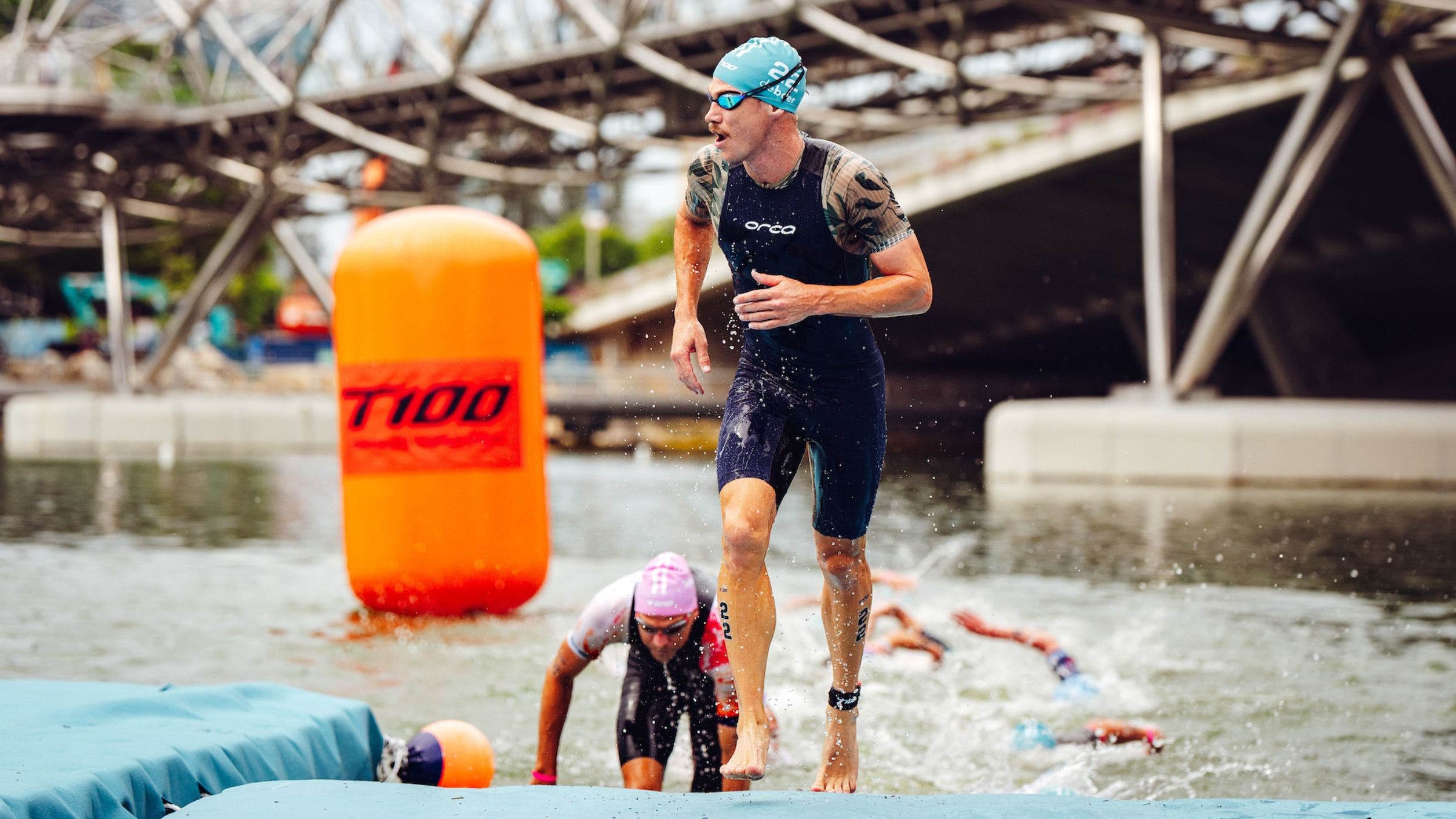
As you review the athlete guide for your next event, you might see the words “Australian swim exit.” While it isn’t incredibly common, the swim format requires triathletes to exit the water, run back to the swim start, and dive back into the water for the next lap of the swim. It might sound easy in theory, but in practice, it’s more challenging to go from swimming to upright and back into an efficient swim stroke. Master this unique swim format with tips, drills, and workouts.
How Do I Know if I’m Ready for a Triathlon Swim?
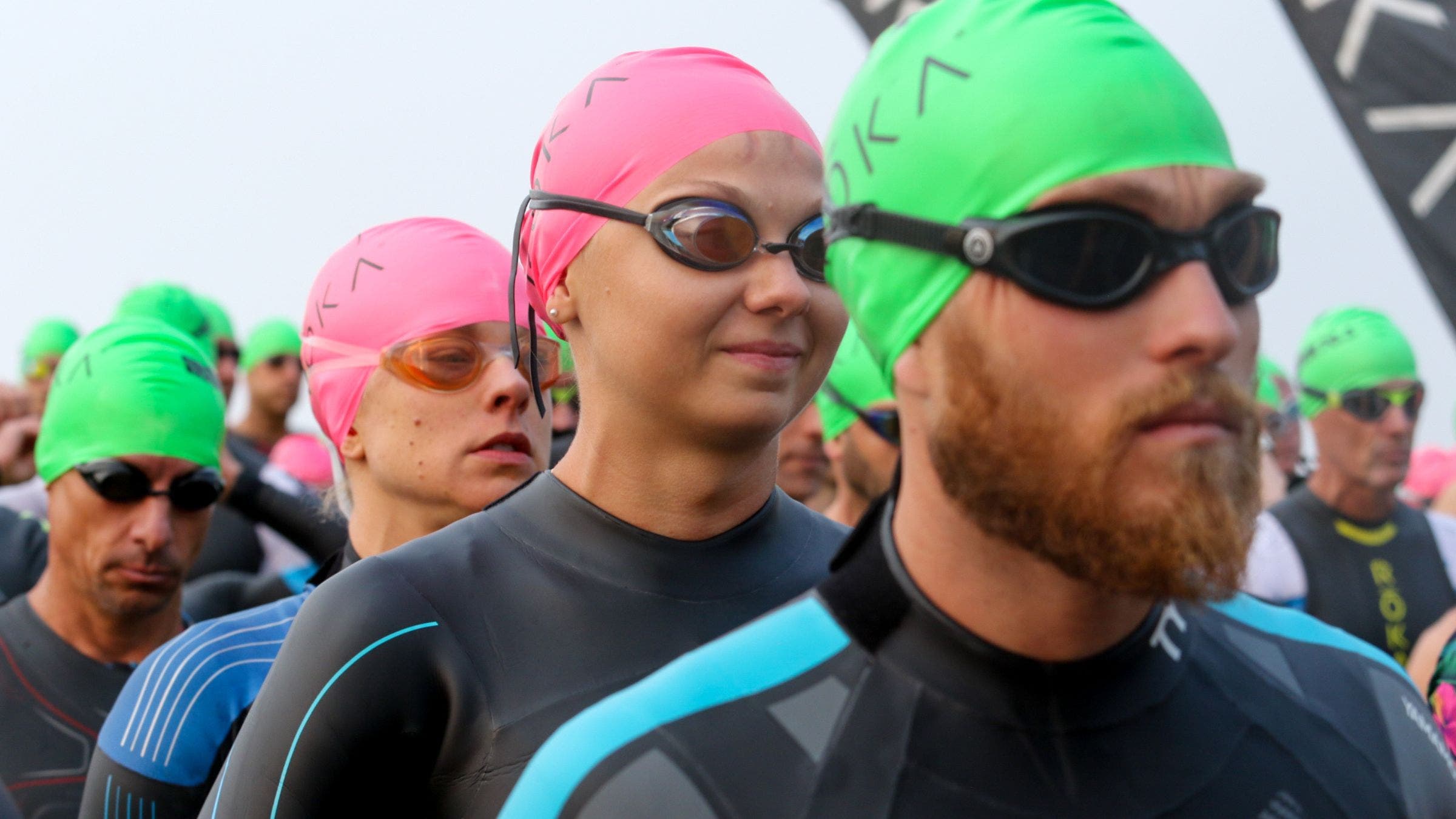
Before you jump into open water for your first triathlon swim, check your preparedness. The last thing you want to do is swim among hundreds of other flailing bodies without the right skills to maneuver them and the course. Learn how to assess your readiness for a triathlon swim.
