Published June 21, 2021 05:08PM
Welcome to 10 Weeks to Your Best 70.3
Table of Contents: Welcome to the Course
Course Intro
Welcome to 10 Weeks to Your Best 70.3! Over the next two-and-a-half months we’ll be guiding you through everything you need to get to the startline of your best half-Iron distance race yet—whether it’s your first or your 10th.
In this course, we’ll cover:
- intensity and training zones
- baseline testing
- bike fit and its importance
- the necessity of rest, recovery, injury prevention
- picking races
- race-specific prep, like open water swim tips
- the gear you need
- an overview of 70.3 nutrition guidelines
And, of course, we’ll be guiding you through the ten-week training plan with videos on key workouts, a training calendar overview to help you plan ahead, plus the full 10-week training calendar, so you can follow it on your own.
Overall Program Schedule:
- Week 1: Finding Your Baseline
- Week 2: Defining Your Intensity
- Week 3: Staying Healthy
- Week 4: Progression of Training
- Week 5: Open Water Skills & Race Pace Off the Bike
- Week 6: Reducing Overall Load
- Week 7: The Hardest Part Begins
- Week 8: Peaking
- Week 9: Tapering
- Week 10: Race Week
Athlete Assumptions and Disclaimer
Before we get going, here are a few assumptions and a disclaimer.
Assumptions
While we know some of you have never done a 70.3 before (and that’s OK!), there are a few assumptions we are making:
- You have some basic aerobic fitness—i.e. This isn’t the first time you’ve ever run, gotten on a bike or in the pool
- You have some triathlon experience and knowledge and want to take the next step, attempting a 70.3 or improving your 70.3
- You don’t currently have any injuries preventing you from training, and you understand your own injury history and how to avoid those from happening again
ADVERTISEMENT
Disclaimer
Now a word from our legal team: Please consult a doctor before beginning any form of exercise, including this program. If something does not feel right in your body, or you experience any pain while performing the exercises in the course, stop immediately and consult your doctor. We can’t guarantee that this practice is safe for every individual. Any liabilities associated with the use of this program are expressly disclaimed. By continuing in this program, you acknowledge and accept responsibility for your health and well-being.
Meet Your Team
Coach Jim Vance
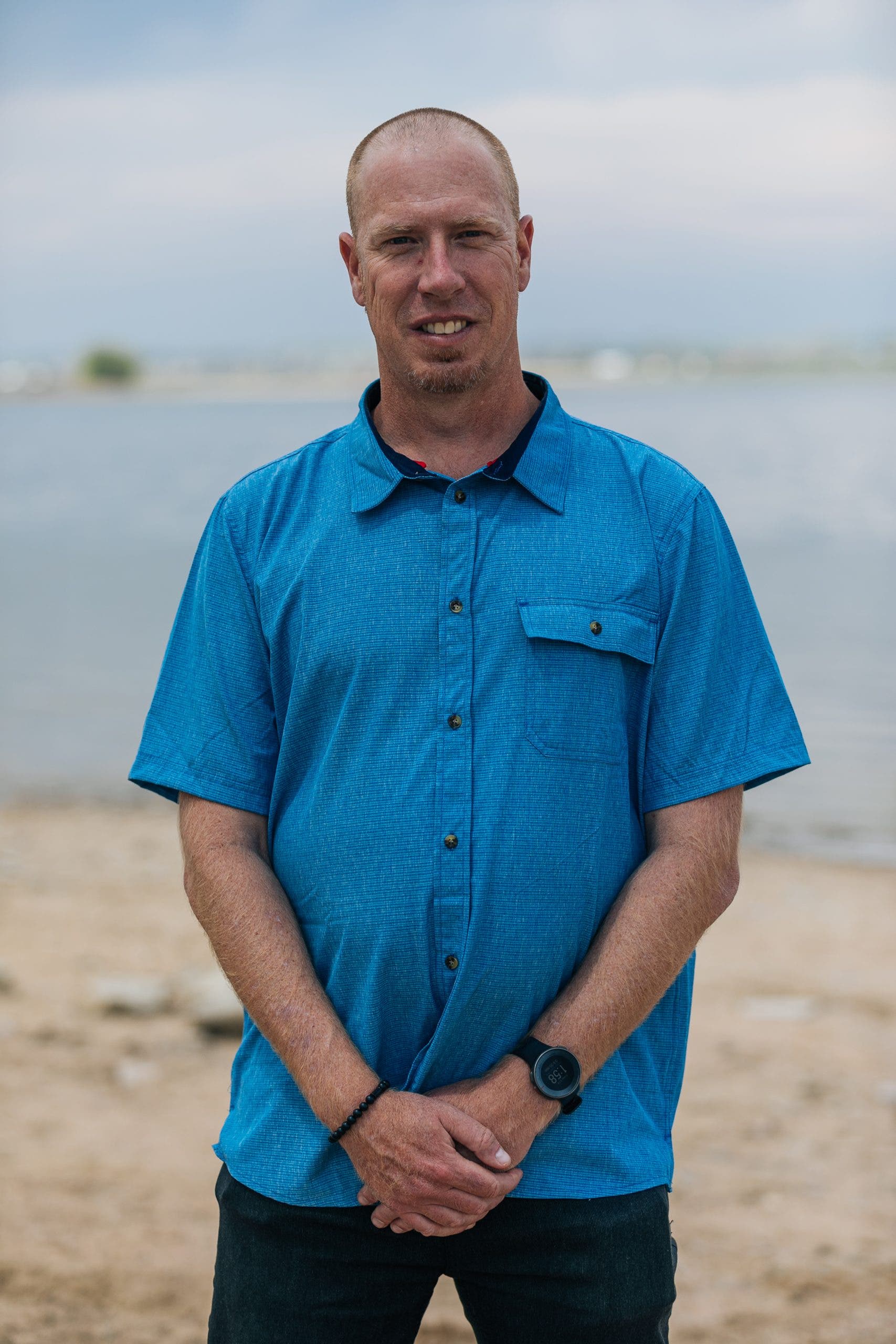
Jim Vance will be leading you through the next ten weeks. He’s an elite triathlon and running coach, author, and sport training consultant based in San Diego, California. He is the personal coach of 2016 U.S. Olympian Ben Kanute, guiding him to multiple wins and podiums, as well as a second place finish at the 70.3 World Championships.
Jim is also the head coach for Formula Endurance, a USA Triathlon high performance team, focused on developing top junior triathletes as part of the Olympic pipeline. He has coached national champions, countless Ironman World Championship qualifiers, and has been a training consultant for U.S. Olympians. He’s also written two books, Triathlon 2.0 and Run with Power, and co-edited Triathlon Science with best-selling author, Joe Friel.
ADVERTISEMENT
Meet Maren York
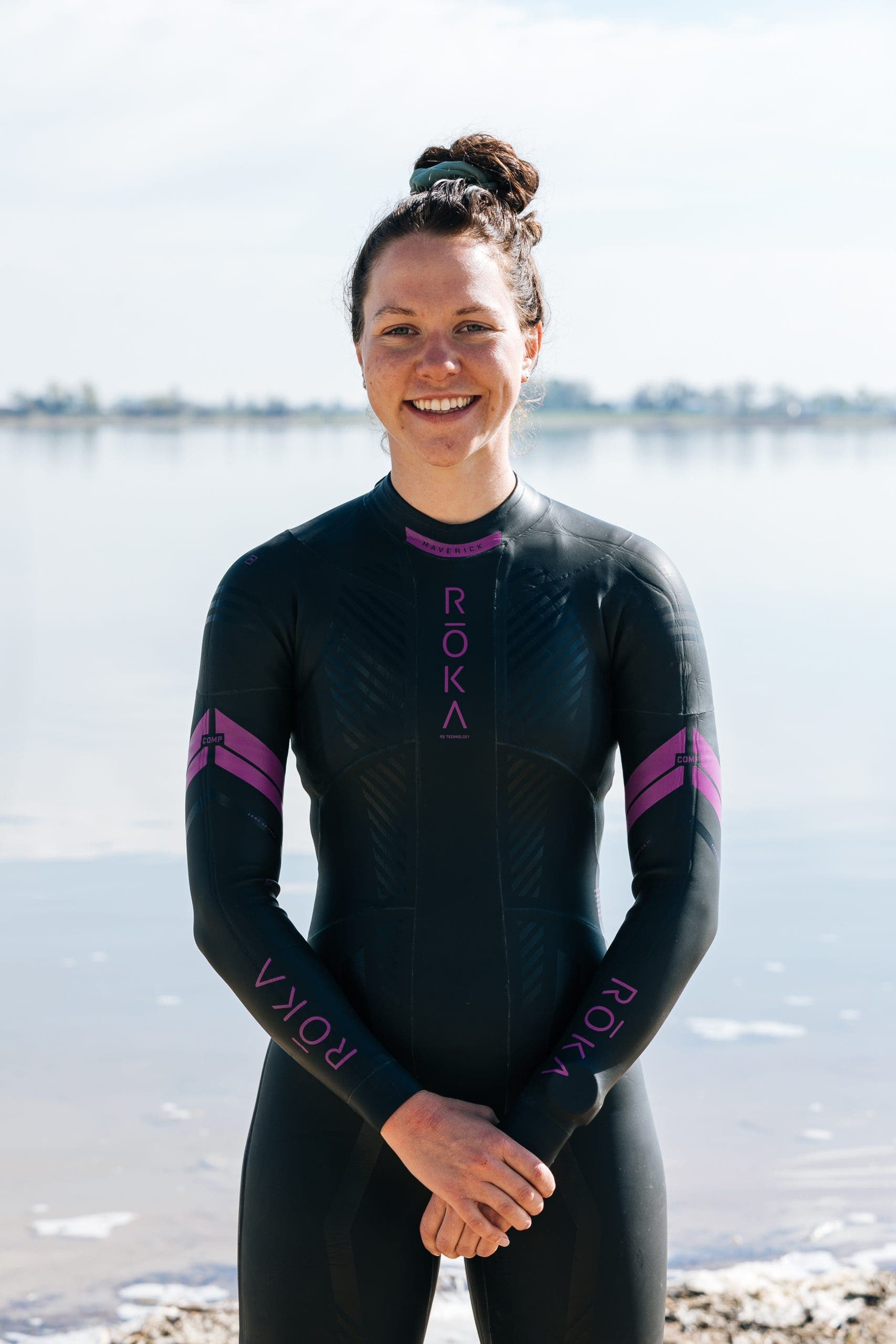
Maren York, a University of Colorado triathlete who got her start in the pentathlon (fencing, swimming, horse jumping, pistol shooting, and running). She’ll be demonstrating a number of the techniques, skills, and workouts for you over the course of this training program.
ADVERTISEMENT
Her favorite triathlon discipline is swimming (because it’s her best), but, after a few summers training in the mountains, biking has become a close second. In her free time, she enjoys backcountry skiing and riding her horse, Summit, in the summer.
How to Navigate This Course
This course consists of text, photos, and videos to help you better understand each lesson and how to train for your best race. Along the way, we’ll also include a handful of downloadable documents (including the full 10-week training program) to help you dial in your training. All of these components are designed to work together to help you prepare, so take advantage of them all throughout the course.
We’ve laid out the course in a typical Monday through Sunday format. However, based on your own schedule, feel free to adjust the days as needed to when it’s most convenient for you.
ADVERTISEMENT
Also, look ahead to when your race is to make sure you can fit the 10 weeks into your prep period. You don’t want to get to Week 7 and realize your race is only a week away. Subsequently, you don’t want to get to Week 10 and realize you still have three weeks until your race. A little pre-planning can go a long way!
You can go back and revisit lessons at any point while progressing forward with your training. We suggest bookmarking the course landing page to more easily navigate to a given week.
Get Ready to Get Started
As we mentioned, we’ve designed this course with some assumptions about your background and fitness. You don’t have to be 70.3-ready already (that’s what we’re here for!), but we do assume that you know how to do all three sports and have been doing them some recently to a basic level of aerobic fitness. If you’re not quite there, it doesn’t mean you won’t benefit from the training in this course, but you may not get as much out of it. You could always start with some simple familiarization on your own before you start this course. Likewise, if you are currently nursing an injury, it might be best to let yourself recover before starting your ten weeks of training.
But there are a few more things you probably want to do before you get started.
ADVERTISEMENT
Get a Bike Fit
Don’t worry about getting a new, fancy, or expensive bike—as long as you have a bike you’re comfortable riding that’s the most important thing. One of the keys to making sure your bike is comfortable for you is getting a proper bike fit from a fitter at a bike shop or a bike fit service. There’s no doubt that a proper bike fit can make a big difference in helping make you more comfortable, faster, and more pain-free in the saddle. If you’re not ready to pay for a professional bike fit, then you at least want to make sure you check on some key things like saddle height, setback, crank length, and reach. Of course, a professional bike fit will help you fine-tune those issues.
Here’s our Triathlete guide to the five things you should pay attention to when adjusting and fitting your bike. Just remember, getting a proper, professional bike fit can help you avoid problems down the road:
- It allows you to spend a longer time in the proper position
- It reduces your injury risk
- It reduces back discomfort, which can lead to a poor run performance
- It’s more comfortable—especially on your neck
- It increases enjoyment
ADVERTISEMENT
Pick a Race
There are lots of half-Iron distance or 70.3 races to choose from. If you’re just getting started, then you may want to pick a local race that you can drive to—and avoid the extra hassle of traveling. If you want to tackle a bigger event, that’s great too! But before you get to training, decide what you’re training for.

Here are some questions to ask yourself when selecting a race:
- Does it motivate you?
- Is it congruent with your strengths? (i.e.: flat course, climbing course, hot or cool temps, wetsuit swim, non-wetsuit, etc.)
- Does it match your life demands? (i.e.: time of year when you can best prepare)
ADVERTISEMENT
Defining Intensity
The last thing before we get started is to make sure you understand how hard you should be going and what to expect from the training plan. We’ll define intensities in each of the workouts using training zones–i.e. intensity is defined on a scale, where Zone 1 is considered the easiest effort and Zone 5 or higher is the hardest. The reason we define zones is to ensure that you’re working out in the right zone at the right time—you don’t want to go too hard too often. You also want to make sure you’re using the right zones for the right sports. If you’d like, you can download our zone chart now, but we’ll dig into it (and provide another download link) in the coming weeks.
How Intensity Affects Nutrition and Energy Demands
Fat as Fuel
- Lower intensity efforts lead to better “fuel economy,” where fat becomes your main fuel source. This supply is nearly endless and allows you to go at that intensity for many hours without much supplementing beyond basic hydration needs.
Glycogen as Fuel
- Glycogen is the fuel source when the effort or intensity exceeds the ability of the body to produce fuel from fat. So, instead, your body must use glycogen stored in your muscles. That glycogen supply is limited, compared to your use of fat as a fuel source. Not having enough glycogen stores (or not replenishing them) leads to bonking.
Bonking
- When you exceed your aerobic abilities with the intensity of your efforts, your body consumes more glycogen than fat. Glycogen stored in the muscles can only last a few hours, so the harder you go, the shorter the supply of energy it can provide. This deficit, created by higher intensity efforts, eventually leads to a lack of fuel and then the dreaded “bonking.” Bonking is just your body’s way of telling you it’s so depleted of fuel that it can’t provide enough energy.
Use this PDF of training zones to get an understanding of what intensity matches what zone—and we’ll return to this in Week 2 after we do baseline testing to establish your zones.
ADVERTISEMENT
Understanding Key Sessions
OK, we’re almost ready to get started.
One last note: Each week will include a number of workouts, but we’ll make sure to highlight and focus on the key workouts of the week. The key workouts (sessions) should be prioritized over other aspects in order to set you up for success—that means even if you get busy and have to trim or cut something, don’t cut the key workouts.
Aerobic long runs and rides are critical to building aerobic endurance. And throughout the ten weeks, we’ll focus on gradually progressing your load in order to increase your overall fitness. Gradually increasing load is important, because:
- Increase load too fast = Injury
- Increase load too slow = Not ready to race
Remember: Days off are important!
ADVERTISEMENT
Training = Stress + Rest
Ready to get started?
You can get an overview of the ten-week training plan here, so you can plot out your schedule and plan ahead. Each week, we’ll get into the details of the workouts for that week. Let’s go!