Published February 4, 2026 06:00AM
If you buy through our links, we may earn an affiliate commission. This supports our mission to get more people active and outside.Learn about Outside Online's affiliate link policy
Are You Wearing One of the 10 Safest Bike Helmets? Check the List.
The Virginia Tech Helmet Ratings help triathletes ditch the guesswork and find the safest bike helmets on the market today. The best part? Safety doesn’t have to be expensive.
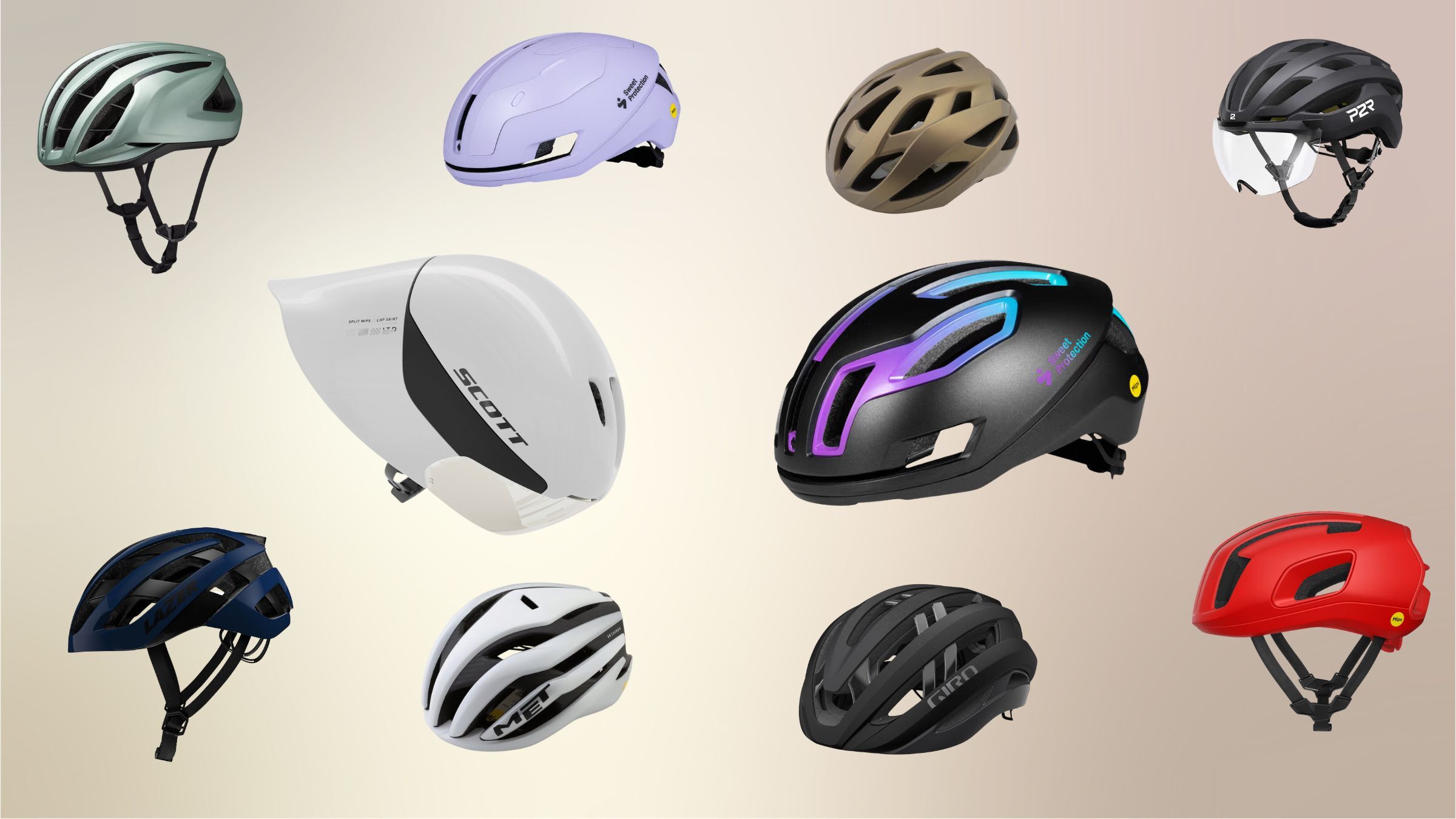
Virginia Tech’s Helmet Lab tested 294 road and aero helmets for safety. We roundup the best ones to protect you during your rides. (Photo: Triathlete)
Safest bike helmets according to Virginia Tech's Helmet Lab
Of all the bike gear a triathlete needs, the helmet is without a doubt the most important. After all, aero sleeves and power meters don’t protect you from brain damage in a crash. It’s no surprise, then, that safety is a major factor when searching for a new bike helmet, along with speed, style, and comfort. But what makes a bike helmet safe, and why are some helmets better than others?
Those are the questions researchers at Virginia Tech work tirelessly to answer. The school’s Helmet Lab, which was founded in 2011 to test the safety and efficacy of football helmets, incorporated bike helmets into its testing protocol in 2018. Since then, the Virginia Tech Safety Ratings have been the go-to resource for cyclists looking for the safest bike helmets on the market today.
Barry Miller, Ph.D., MBA, director of outreach and business development at the Virginia Tech Helmet Lab, says researchers rely on a three-pronged approach to identifying which helmets to test: consumer input and requests, comprehensive web searches to identify popular models and new technologies, and requests from helmet companies themselves, who use the independent and objective Virginia Tech data to aid in research and development.
ADVERTISEMENT
To date, the lab has tested 284 bike helmets (106 of which are road helmets), each one going through a rigorous 24-step impact testing protocol designed to mimic real-world conditions of a cycling crash. Through tools like a drop tower (which is exactly what it sounds like), researchers can measure factors like acceleration, velocity, and impact energies, which are then used to compute concussion risk and an overall safety score; a lower score indicates better helmet performance.
The most common traits among the safest bike helmets can be found in the materials and construction methods to absorb impact, says Miller: “Most impact protection comes from the density and thickness of the various padding materials, whether that material is EPS [expanded polystyrene], Koryoyd, or Wavecel, the thicker and more compliant, or softer, padding materials typically do better.”
Though the rankings favor traditional road helmets, a limited number of aero models, including long-tailed versions, can be found in the rankings. This is mostly due to market interest: “We haven’t had a large demand to test these aero helmets,” Miller says, before noting that the researchers are always accepting requests for products to test.
ADVERTISEMENT
Still, a variety of styles appear in the top-ranked road bike helmets, including those found in our reader-tested roundup of the best bike helmets for triathlon. The best part? These super-safe brain buckets don’t have to break the bank – in fact, a triathlete can get a high-ranked helmet starting at just $80.
The top-ranked road and aero helmets for safety, according to the Virginia Tech Helmet Lab
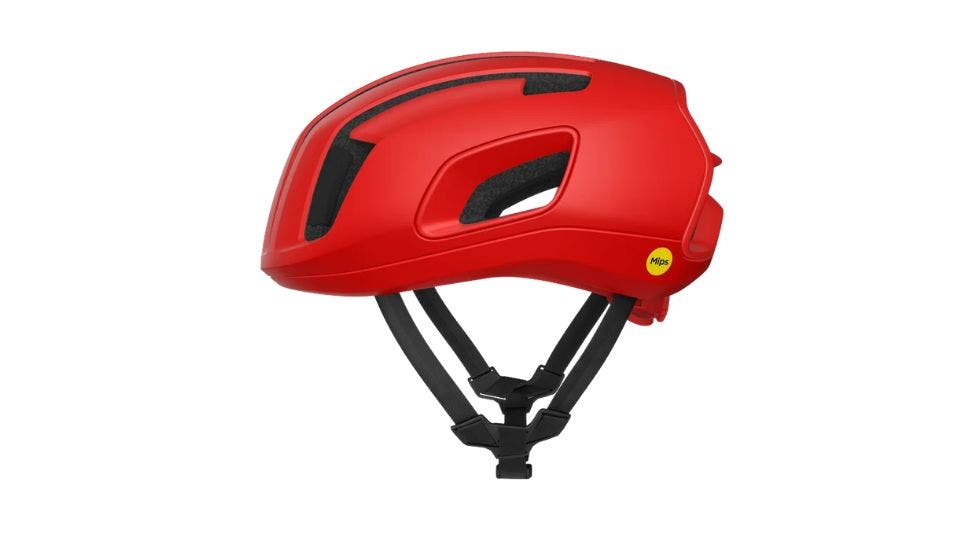
POC Cytal
Overall ranking: 5/284
Road ranking: 1/106
Score: 7.51
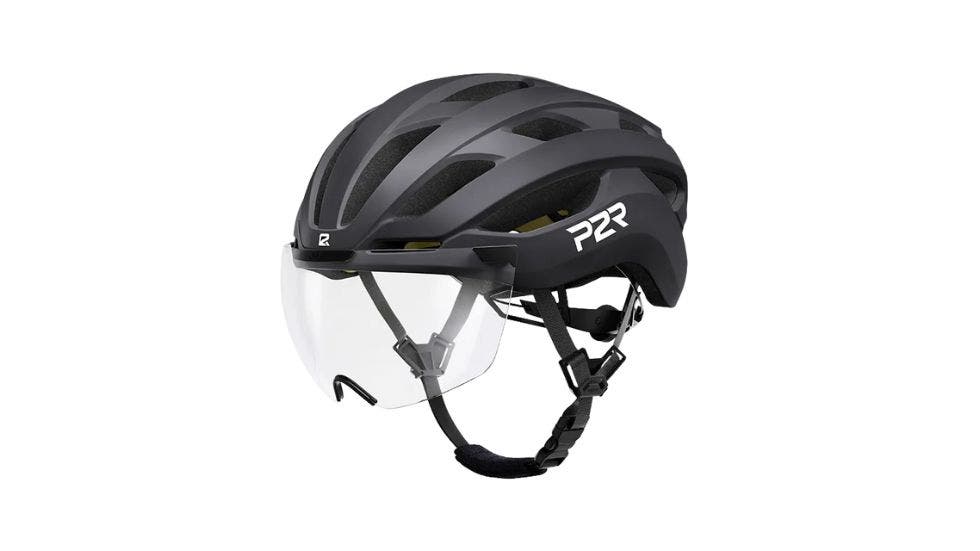
P2R A 20
Overall ranking: 5/284
Road ranking: 2/106
Score: 8.14
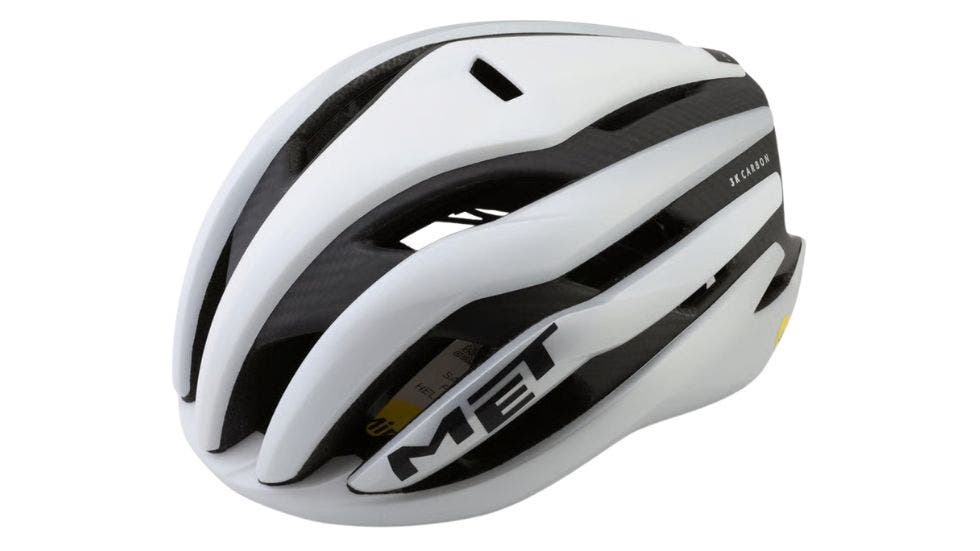
Met Trenta 3K Carbon MIPS (2025)
Overall ranking: 8/284
Road ranking: 3/106
Score: 8.20
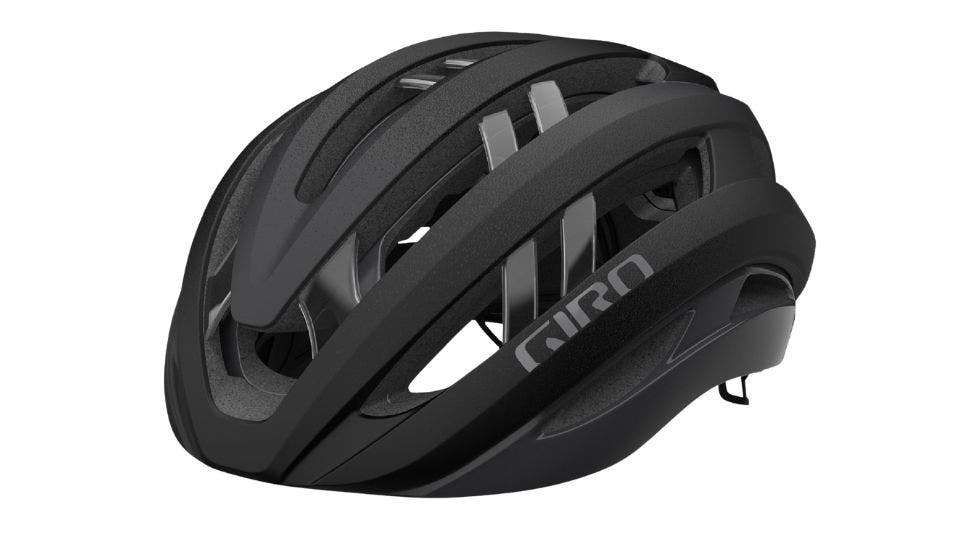
Giro Aries Spherical
Overall ranking: 9/294
Road ranking: 4/106
Score: 8.40
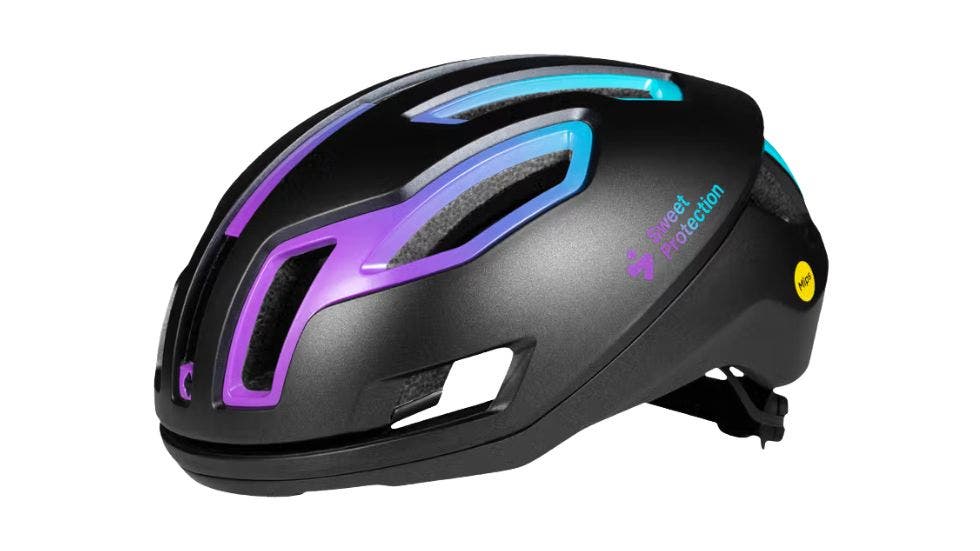
Sweet Protection Falconer 2VI MIPS
Overall ranking: 11/294
Road ranking: 5/106
Score: 8.45
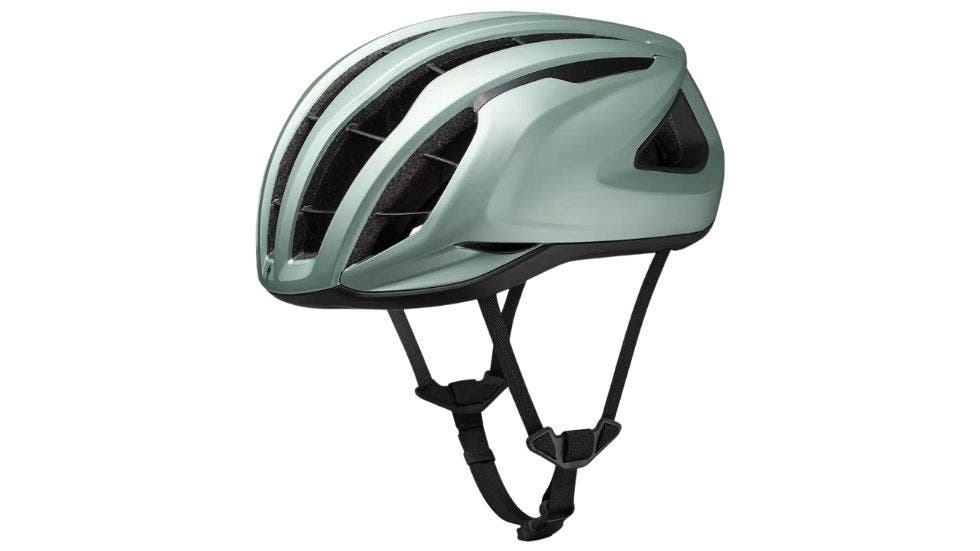
Specialized Prevail 3
Overall ranking: 14/284
Road ranking: 6/106
Score: 8.64
Scott Split MIPS
Overall ranking: 16/284
Road ranking: 7/106
Score: 8.76
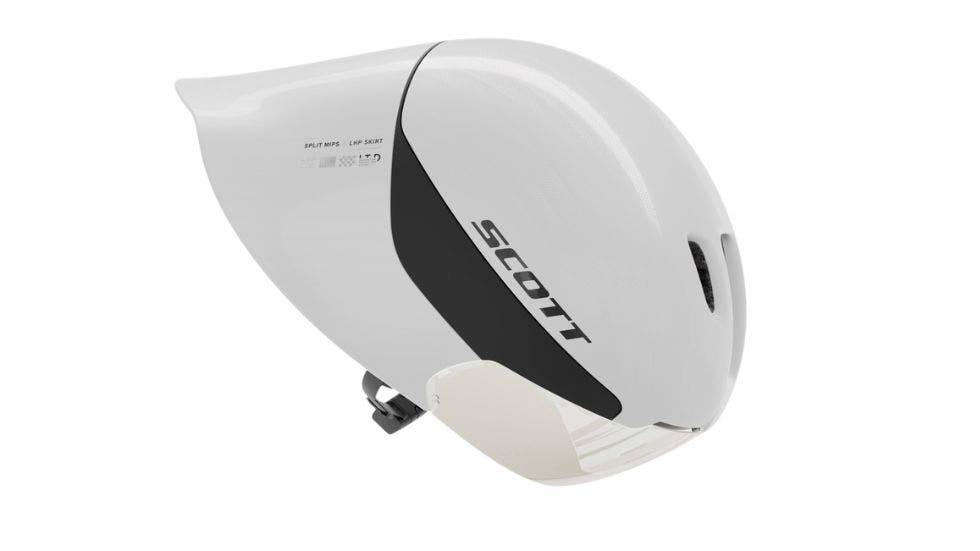
Sweet Protection Falconer Aero 2VI MIPS
Overall ranking: 23/284
Road ranking: 8/106
Score: 9.12
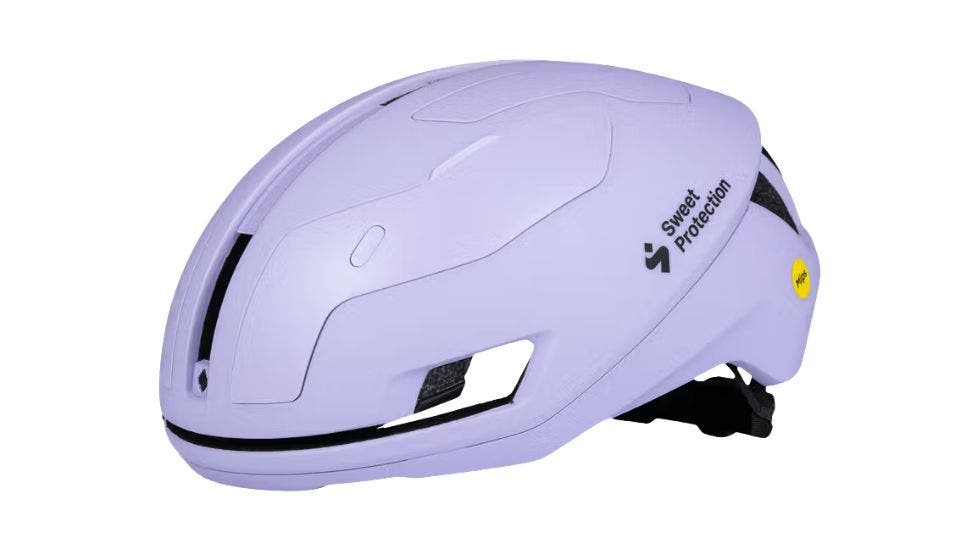
Giant Rev Comp MIPS
Overall ranking: 24/284
Road ranking: 9/106
Score: 9.13
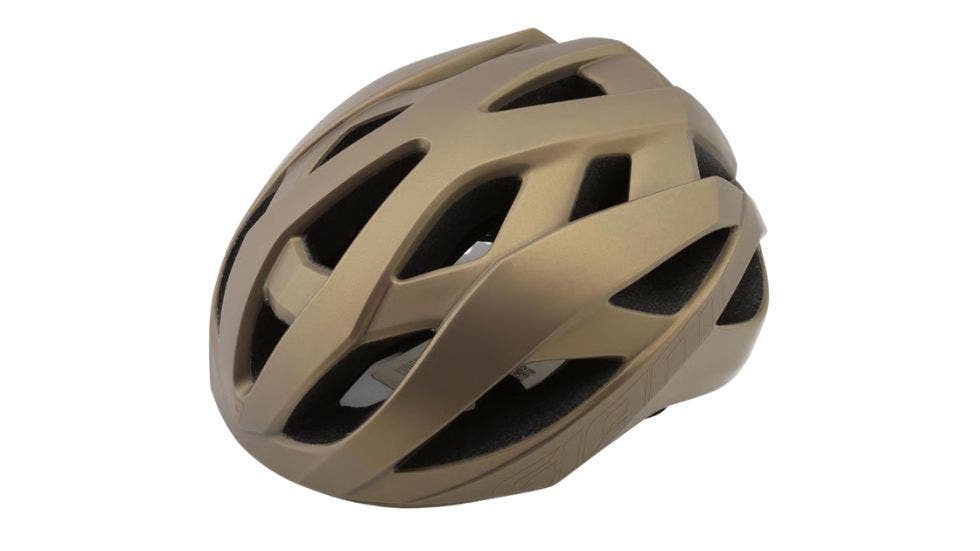
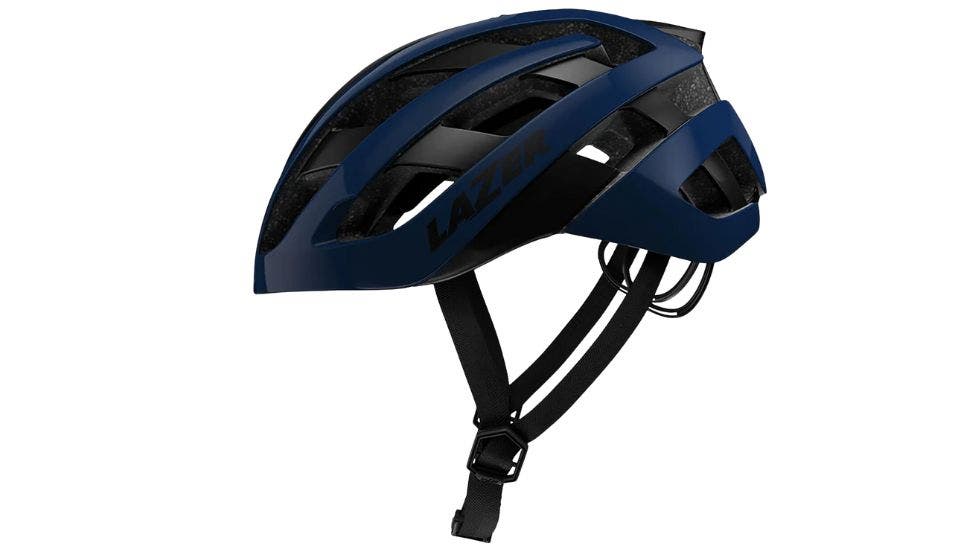
Lazer G1 MIPS
Overall ranking: 25/240
Road ranking: 10/106
Score: 9.23