Published February 13, 2026 06:00AM
If you buy through our links, we may earn an affiliate commission. This supports our mission to get more people active and outside.Learn about Outside Online's affiliate link policy
What’s the Best At-Home Strength Training Equipment for Triathletes in 2026?
After back-to-back swim, bike, and run sessions, making it to the gym can feel like a road too far. For busy triathletes, that can be enough to skip their strength training. These editor-tested, at-home gym essentials make it easier to stay consistent and never miss a workout.
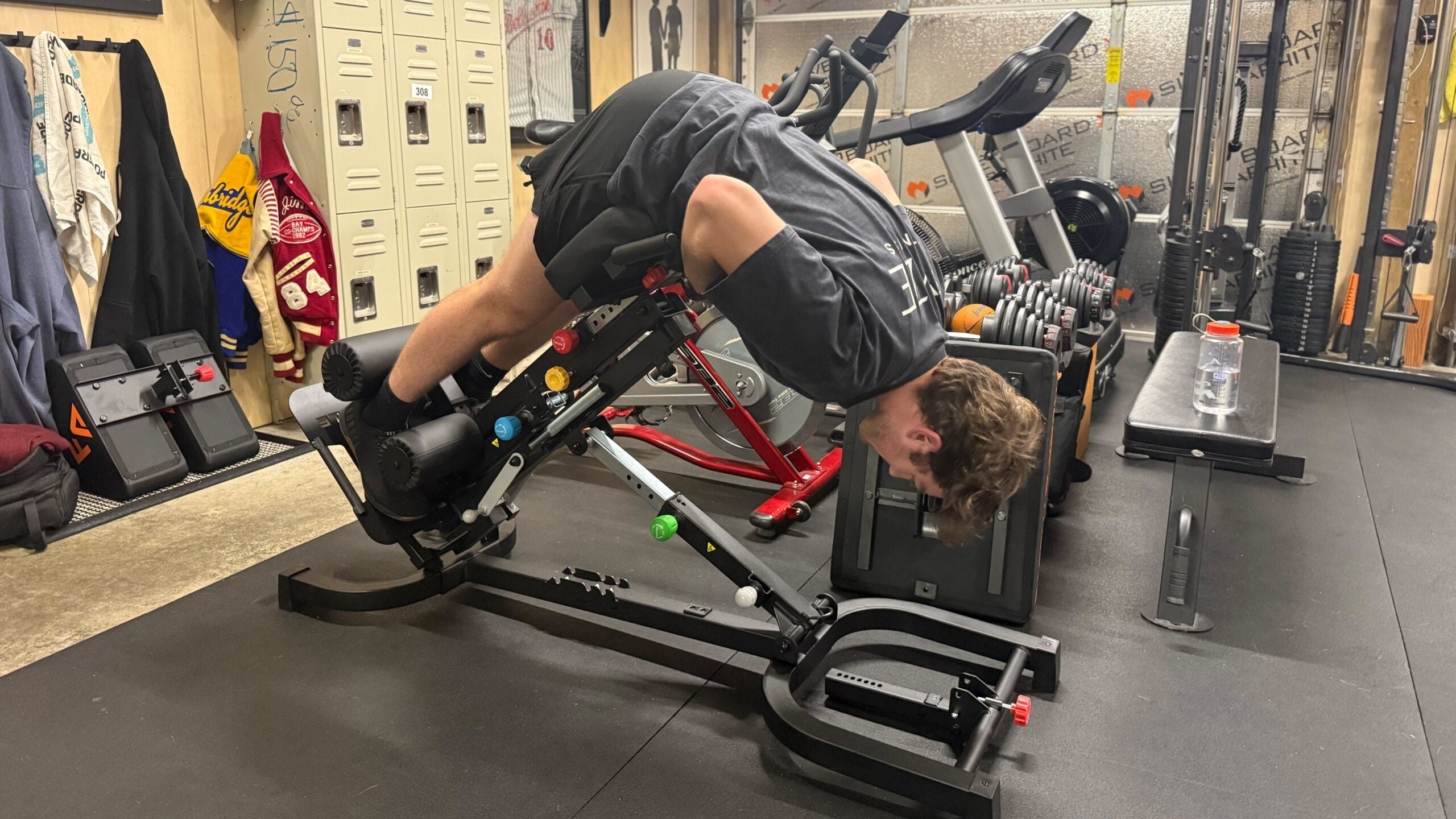
Building an at-home gym can make it easier to fit strength training into a busy triathlon training schedule. Here's the best budget equipment for the job. (Photo: Travis Mundell/Triathlete)
If the person you trusted most on earth told you they have a magic pill that will make you faster, stronger, healthier, and live longer – and best of all, it costs very little – wouldn’t you want to know what it is and try it immediately? (And remember, you really trust this person.)
According to ever-growing amounts of research, strength training is that magic. While it’s not as quick as a pill, the benefits mean it should be every triathlete’s best friend.
But we’re not going to pretend it’s easy to fit in. When training load and fatigue, balanced with life stress, start to teeter over the line, mobility tends to leave the room first, followed shortly after by strength work.
ADVERTISEMENT
The good news is that strength training doesn’t take much of an investment in both time and money for some big returns. Today, the best at-home strength training equipment is cheaper, smaller, and more creative than ever – especially when it comes to the kind of workouts that triathletes should actually be doing to bulletproof their bodies. While you might not be able to powerlift with a giant squat rack from the comfort of your home, you could always strap up your car to your body and tow it uphill (just kidding, don’t do that).
Before we get into our actual favorite at-home strength training equipment, a few tips on what to look for when you buy (and why):
Why should I set up a gym at home?
Just like having a training plan and your gear laid out for tomorrow’s session makes training easier (mentally and logistically), the biggest argument for a home gym is simple: When strength training is within arm’s reach, you’re far more likely to actually do the routine you know you should be doing. In fact, some (but definitely not all) workouts are best performed immediately after your bike or run – something that’s nearly impossible to do in many gym situations.
ADVERTISEMENT
Even if you don’t do it for convenience’s sake, having a gym at home is a great idea if you don’t have an in-person coach or personal trainer, like most of us, because you can fire up YouTube videos of people you trust and vet who will guide you through the motions. Add in a mirror and a quick YouTube refresher from time to time, and you’ll be sure that you’re doing the movements correctly, rather than rushing through and/or trying to just heap on as much weight as you can just to flex on the other gymgoers.
What should I look for in at-home strength training equipment?
Even if you’re not interested in the hand-selected gear below, there are a few things you should look for when shopping around.
First, try to find something that doesn’t take up a lot of space. Even if you don’t live in a tiny apartment, getting strength gear with a small footprint means you can take it with you wherever you need to go. That can mean bringing your gear on a work trip, when you’re on vacation, or maybe even when you’re traveling to a race to help with training consistency.
Getting tired of doing your TRX routine in the garage? Ride out to a park and set it up on a strong tree limb! Make that hippie with the slackline setup eye you in the same way you eye him.
ADVERTISEMENT
Also, be sure it’s versatile: Triathletes do a lot more movement than the normal endurance athlete, so our strength training programs should reflect that. Not only should we be doing dynamic and varied movements when we strength train, but it’s very likely that our strength training program could change from month to month or season to season – based on what we’re focusing on or dealing with during that time.
Without further ado, let’s take a look at our top picks for the best at-home strength training equipment, sorted by price.
Home gym equipment for triathletes at a glance
- Core Sliders, $20, ProSourceFit
- Balance Pads, $27, ProSourceFit
- Steel Macebell, $25-$75, Retrospec
- Vergali Booty Bands, $30, Amazon.com
- StrechCordz with Paddles, $61, NZ Manufacturing
- Plyo Box, $60-$115, ProSourceFit
- TRX Ybells, $75-$95, TRX
- CAP Barbell Deluxe Open Trap Bar, $91, Amazon
- Empack OG, $149, Theempack.com
- Muuv Barbell and Dumbbell Set, $143, Walmart
- Bosu Bundle, $160, Bosu
- TRX, $150-$290, Amazon
- Zen8 Trainer, $200, Zen8
- Bullbar 2.0, $399, Bullbarfit.com
- Freak Athlete Hyper Pro, $699, Freakathlete
- Vasa Trainer Pro, $949, Vasa Swim Trainer
Budget home gym equipment
Core Sliders
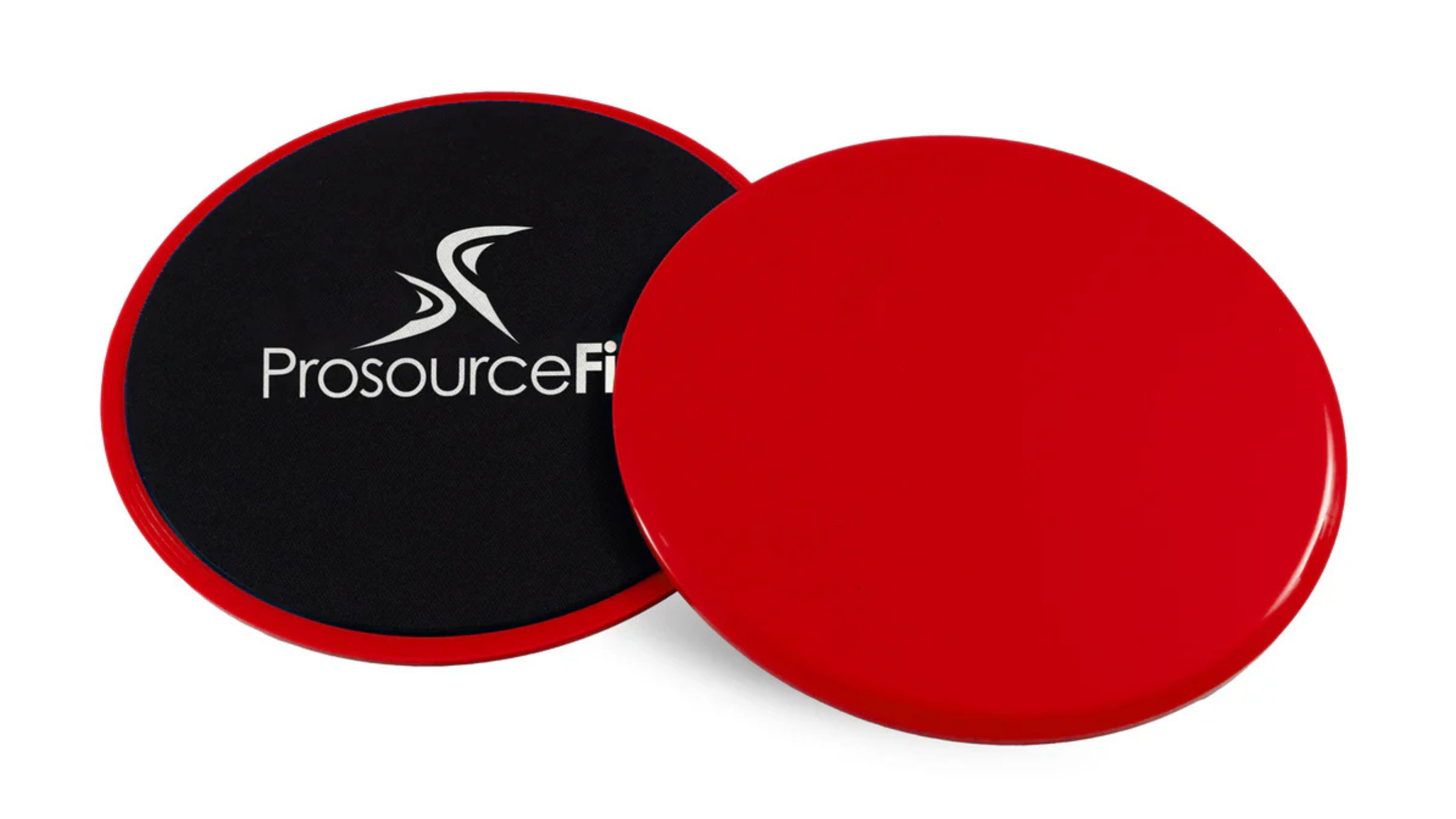
These might be the best dollar-for-dollar pain-for-the-price piece of equipment on this list (say that twice fast). These simple, portable balance and core strengtheners, can go wherever you do and instantly unlock more stability and control across a wide range of movements – from upper-body arm circles to lower-body mountain climbers and knee tucks. String a few together and you may have the most brutal 10-minute core workout of your life.
Sliders remove the control you’re used to getting from ground friction. That loss of stability forces far more muscles to engage than in typical floor exercises, keeping you locked in, focused, and fully aware of every rep. Mastering a core slider routine is almost a martial art – and if you’ve truly got the skills, it should probably be performed in public at all costs.
Balance Pads
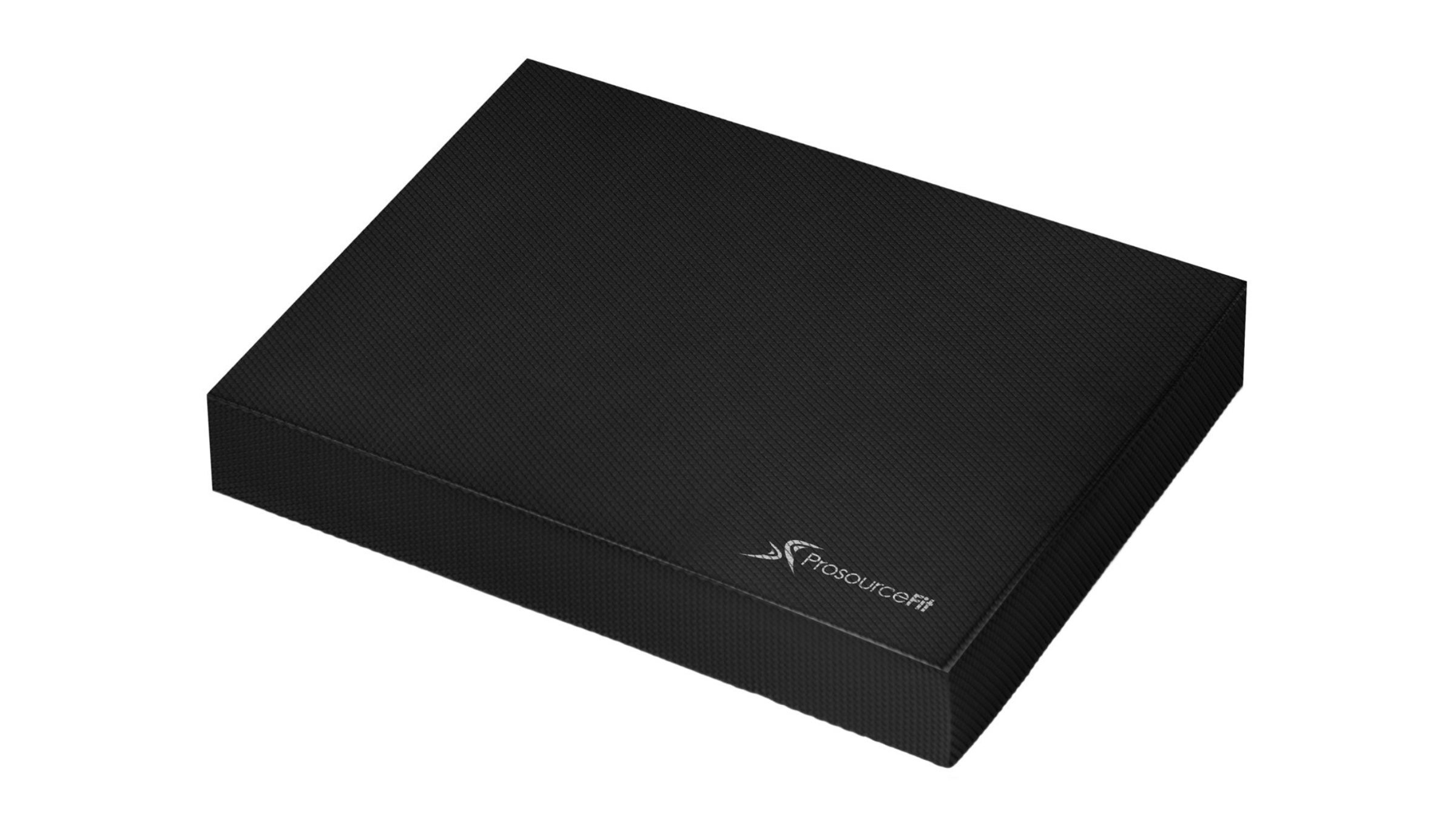
Double down on engaging more muscles at once and reinforcing your core with balance pads and platforms. By demanding more than just your major muscle groups, they challenge the smaller stabilizers that translate directly to better run stability and a more controlled aero position on the bike.
There’s nothing fancy about them – they can be dropped into countless exercises to instantly raise the degree of difficulty while improving proprioception and joint strength. As the triathlon season ramps up and training load increases, having the option to shift from heavier strength work to simple balance-focused exercises can help you stay resilient while keeping overall stress and fatigue in check.
Steel Macebell
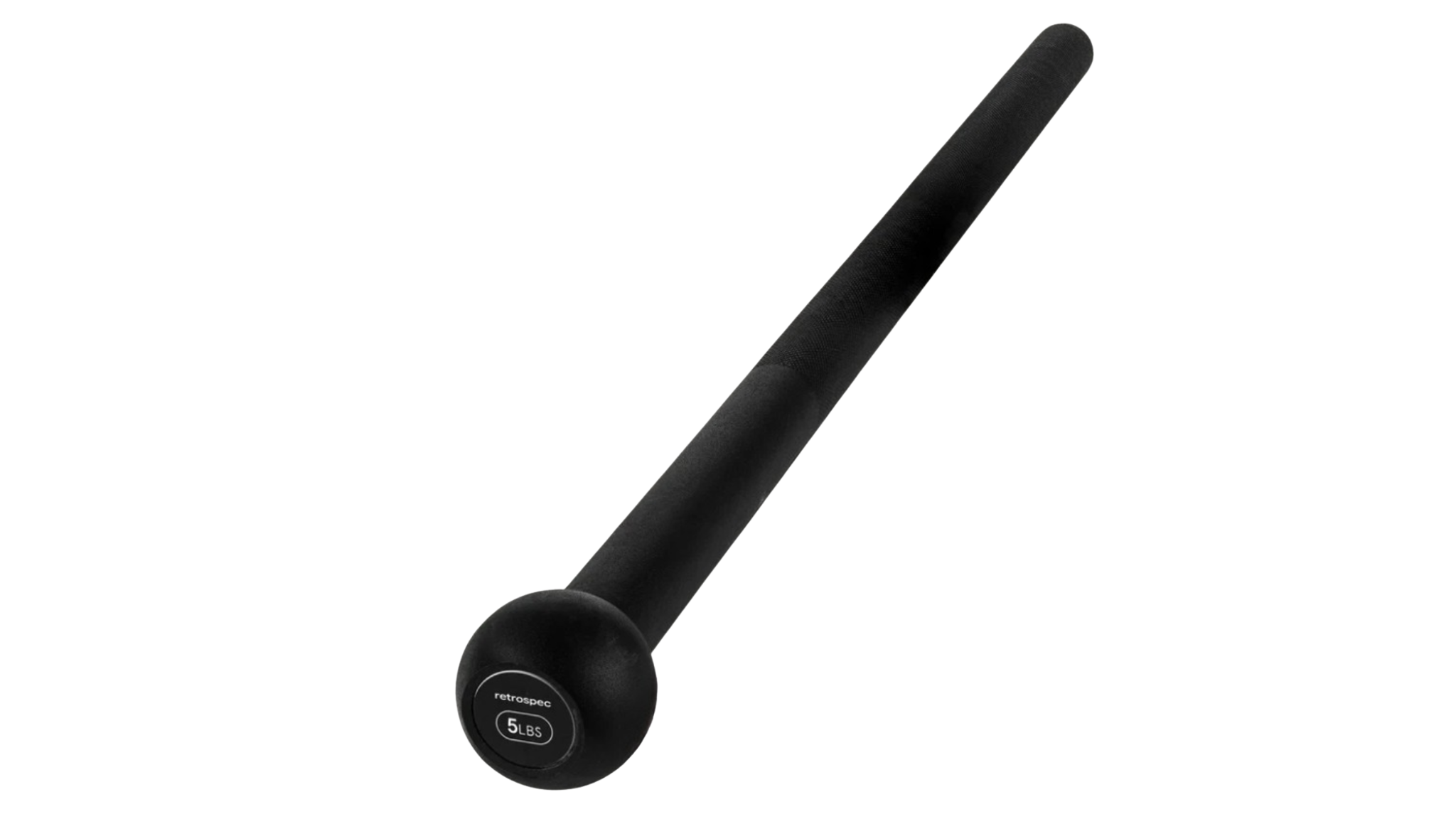
The Western version of this ancient tool long used in India, delivers a completely different kind of functional, full-body workout. Available in a wide range of shapes and weights, the mace can be used in nearly limitless ways, loading movements through unfamiliar planes and angles that force your muscles to engage in entirely new patterns.
Use it during lunges and squats to train upper and lower body simultaneously, work it into warm-ups to improve mobility and range of motion, or grab a lighter one for stretching and posture work behind the head. Any exercise performed with the mace also builds grip strength, along with strong forearms and shoulders that translate directly to swimming resilience. It quickly became a favorite for one of our editors, who challenged themselves to learn one new movement each week – and because it’s small enough to live next to the couch, there’s little excuse not to pick it up for a quick and fun workout.
Vergali Booty Bands
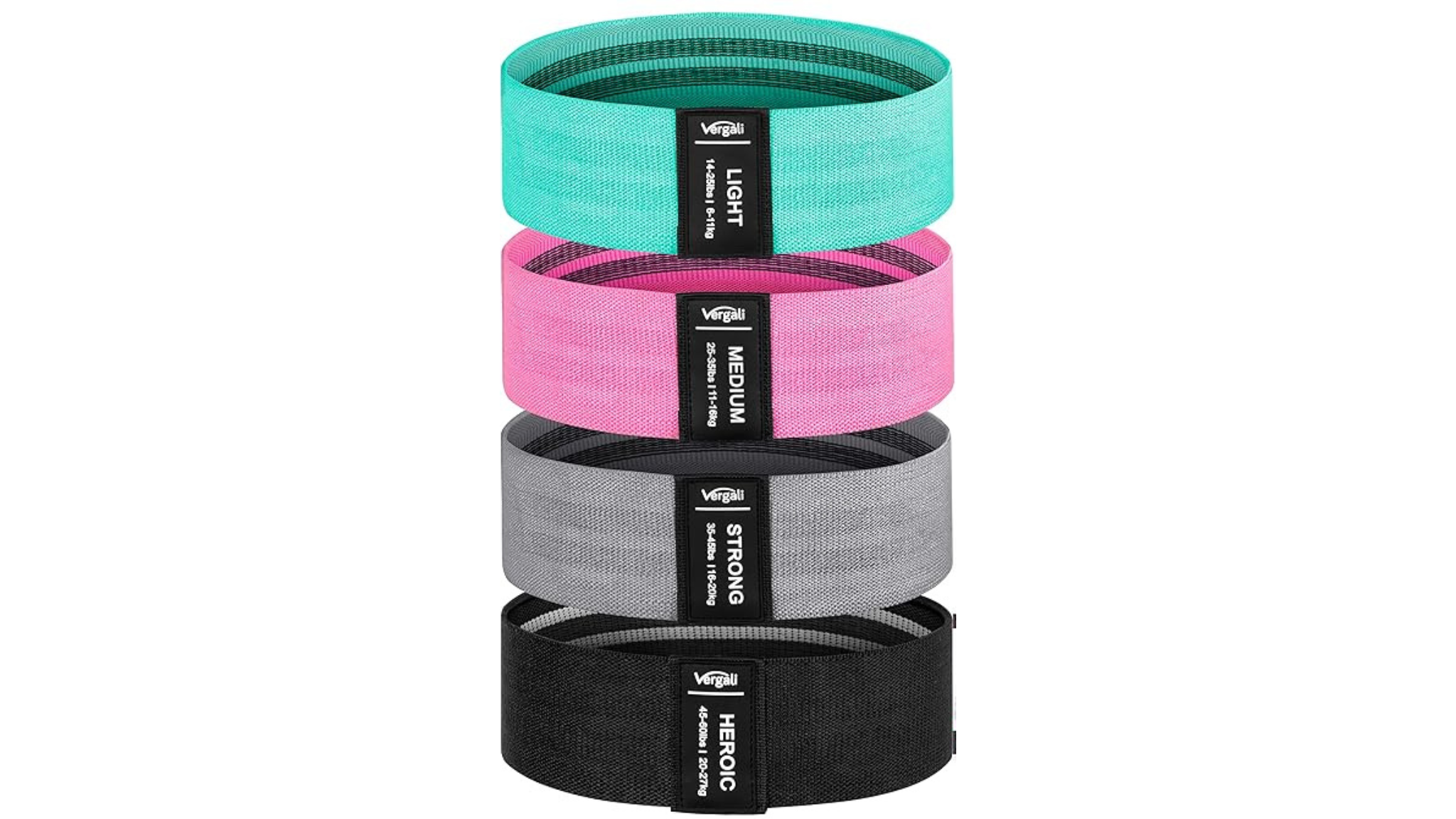
OK, bear with us on this one. Yes, we understand not too many triathletes work out with the sole intention of getting a booty that just won’t quit, but there are actually fantastic exercises that triathletes need to be doing with this piece of simple equipment – think of them as long-lasting and more versatile Thera-Bands. With the Booty Band (I can’t even type it without chuckling), you can do a host of essential hip and stabilizer muscle movements – something that EVERY triathlete should be doing to prevent injury. From simple motions like side-to-side crab walks to more advanced moves like gluteal bridge clamshells, endurance athletes should absolutely make these a part of their routine to prevent all sorts of upper- and lower-leg injuries generated from weak hips and glutes. Not only for hip work, these bands can also be employed for upper body work when anchored properly.
StrechCordz with Paddles
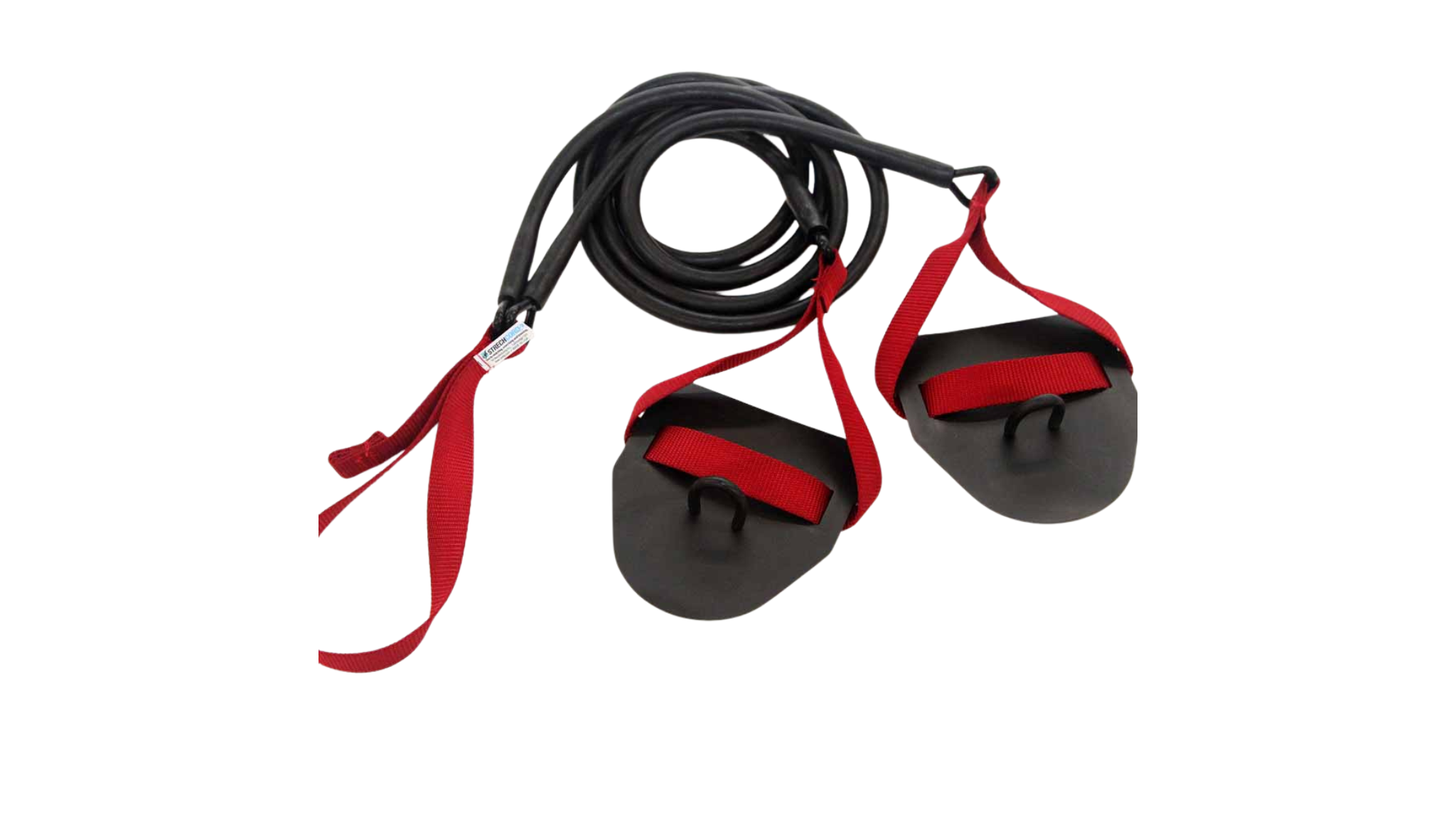
As the shortest leg of triathlon, swimming is often the first discipline to quietly slip out of the weekly routine. Ironically, it’s also the sport that benefits most from repetition and consistency when it comes to improving technique. While it’s easy for some to skip a day in the chlorine, many athletes actually want and need that extra swim session – the time just isn’t always there, or the weather just isn’t in the mood.
That’s where dryland trainers become a smart addition to any strength routine, and these stretch cords with paddles fit the bill perfectly. Wrap them around anything sturdy, step back to add resistance, and you’re instantly reinforcing swim-specific strength and mechanics. It’s an efficient way to stay connected to the water when getting to the pool isn’t an option – and a solid complement to the sessions you do manage to squeeze in. Top it off with that fact this is a no-brainer to add to your race day bag for a quick warm-up if you’re unable to dive in for a shakeout swim before the gun goes off, and you’ll be so glad you added these to your kit.
Plyo Box
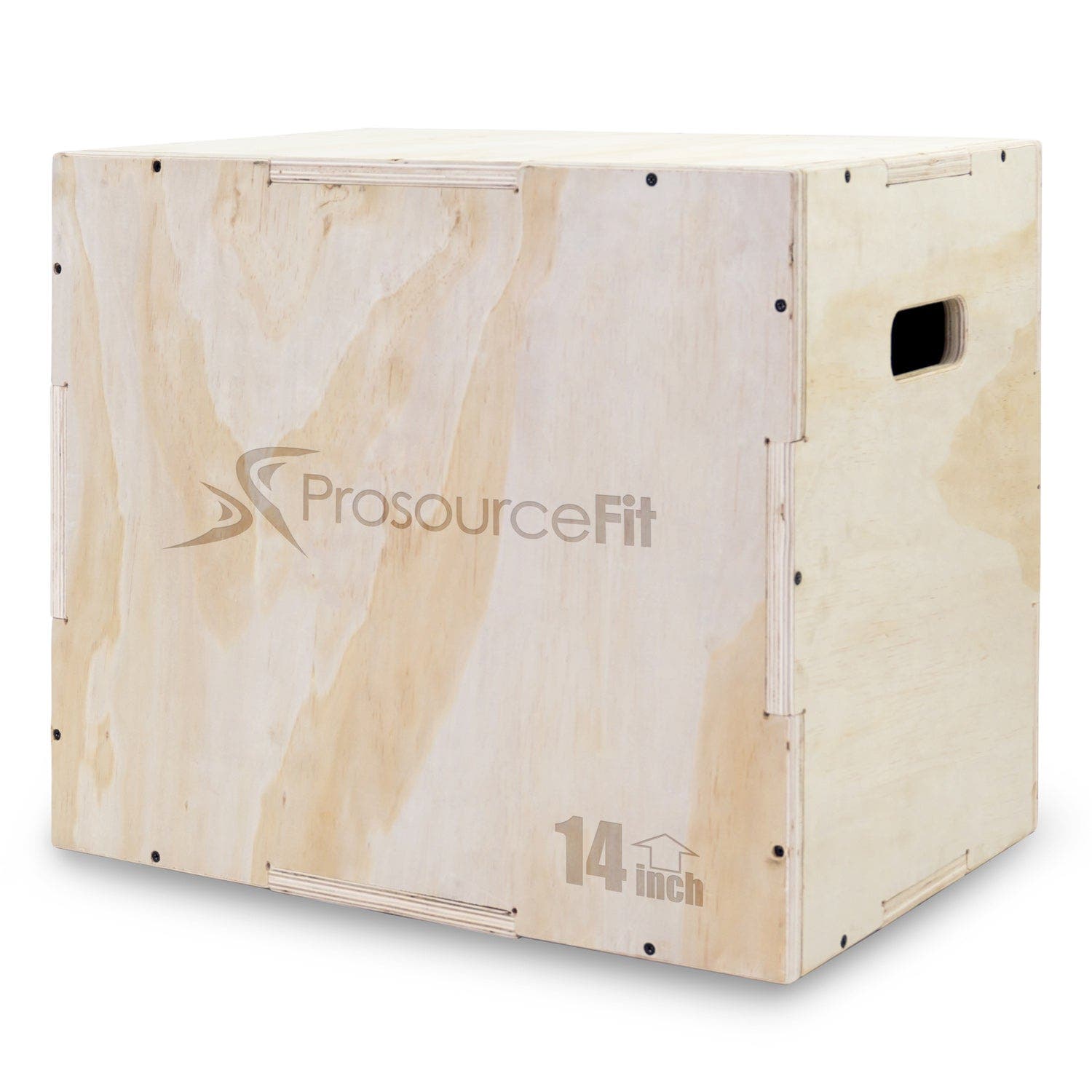
Who knew a simple box could deliver so much value? It’s one of the most common staples in pro pain caves for a reason. Plyometric training has consistently been shown to improve running performance by recruiting fast-twitch muscle fibers, building strength and speed at the same time.
A plyo box can be used in nearly limitless ways – and it even doubles as a handy step stool for reaching the top shelf in the garage. This ProSourceFit box stands out as one of the best-priced options on the market, assembling quickly in a jigsaw-style format secured with screws and built to handle repeated pounding over time.
As with any strength work, start simple, especially if you’re new to plyometrics. Your body will likely be yelling, “What on earth are you doing to me?!” during the first few sessions. Begin with step-ups and step-downs, progress to toe taps and box jumps on the lower height side, and gradually work your way up as strength, confidence, and coordination improve.
TRX Ybells
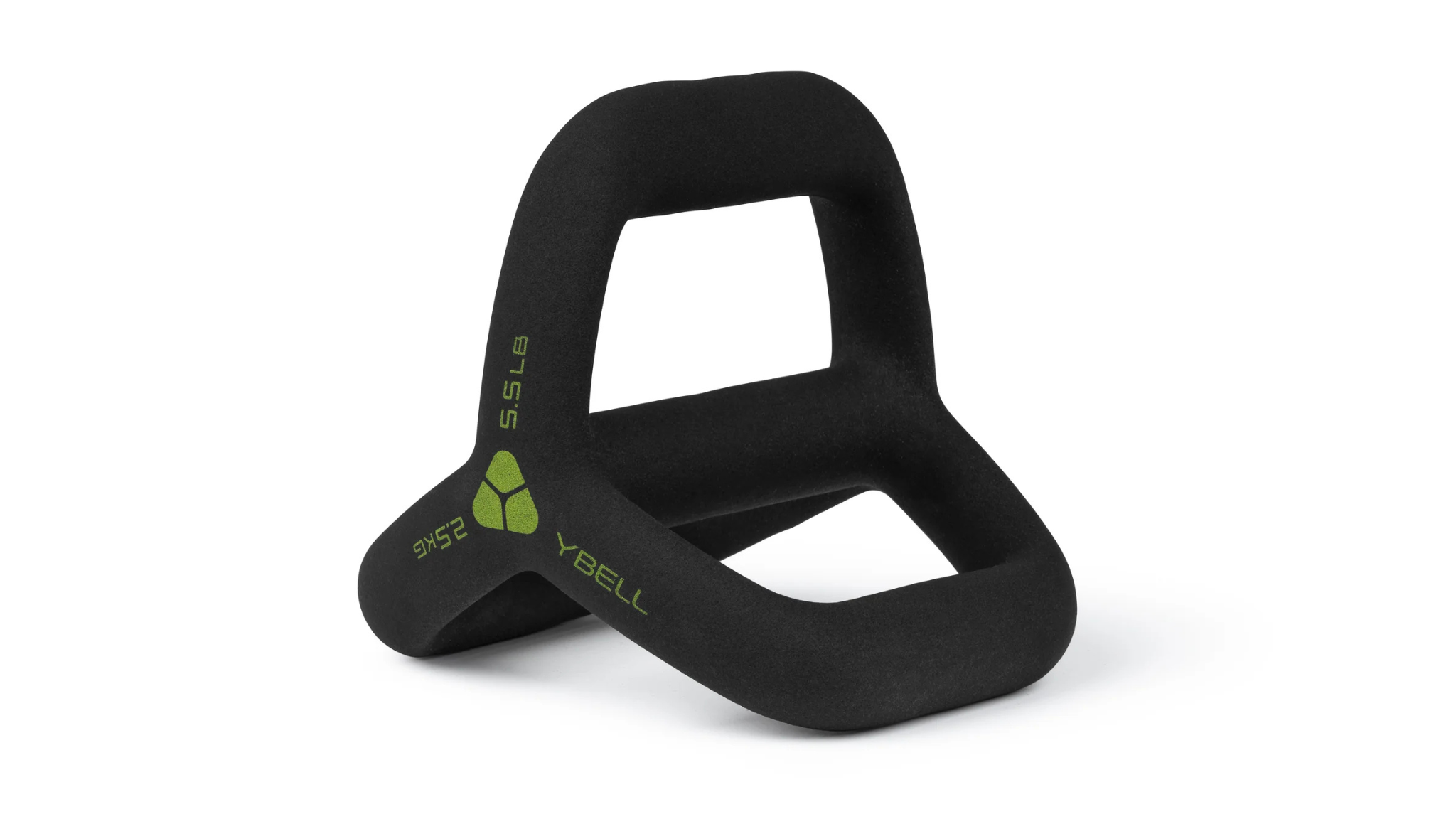
As one of the most common and long-used pieces of equipment in any gym, it’s hard to get genuinely excited about recommending anything related to the kettlebell. And then we tested the TRX YBell. This four-handle, triangular weight is surprisingly enjoyable to use across a wide range of exercises – from traditional kettlebell movements to dumbbell work, even as a stable prop for push-ups and plank variations.
The material strikes a nice balance between smooth and grippy, and the multiple handle options subtly change each workout simply by altering your hand position. Unlike a traditional kettlebell, which is limited to a single handle, the YBell is easier to grip overhead and particularly effective for core work like Russian twists. TRX calls it the “only weight you’ll ever need,” and while we wouldn’t go quite that far, it comes remarkably close, eliminating the need for a full collection of arm weights.
CAP Barbell Deluxe Open Trap Bar
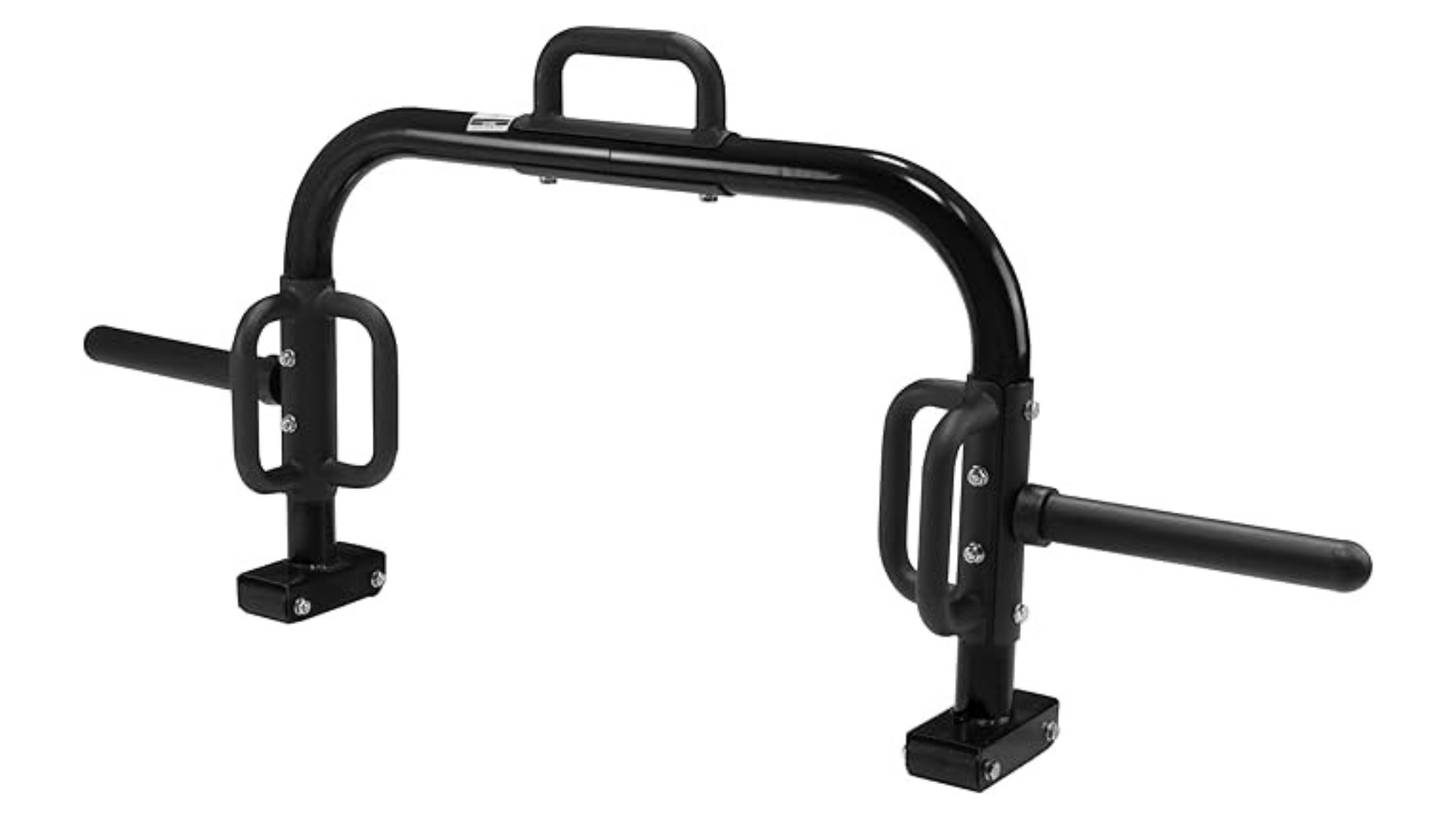
An alternative to the standard hex bar, the open trap bar is one of those pieces of equipment that, once you use it, you’ll likely never go back. Even if you’ve never trained with one, you’ve probably seen it – it’s a staple in many home gyms and a favorite among professional triathletes. Compared to a traditional barbell deadlift, trap bars are generally safer, engage the posterior chain more effectively, and distribute load more evenly through the coronal body plane, making them far more comfortable and approachable for beginners.
Any hex or open trap bar is an excellent tool for building serious strength with heavier loads and lower reps, while feeling less intimidating than a squat rack or leg press. It’s particularly effective for developing the vertical force production we all chase in cycling and running. Beyond deadlifts, it can also be used for lighter plyometric work and simple strength staples like calf raises, shrugs, and farmer’s carries. If there’s one piece of equipment we’d recommend adding to a home gym – space permitting – this would be it.
The advantages of the open design are substantial: it’s easier to step into, more versatile for more movements like lunges, and simpler to use while seated for shrugs or weighted rows. This budget-friendly model, like many others, includes a built-in jack stand that makes loading plates far easier than wrestling weights onto a traditional, flat-lying hex bar. Dual grip options allow you to fine-tune hand position based on comfort and preference. For even more customization and a larger weight limit, consider this more premium option.
Empack OG
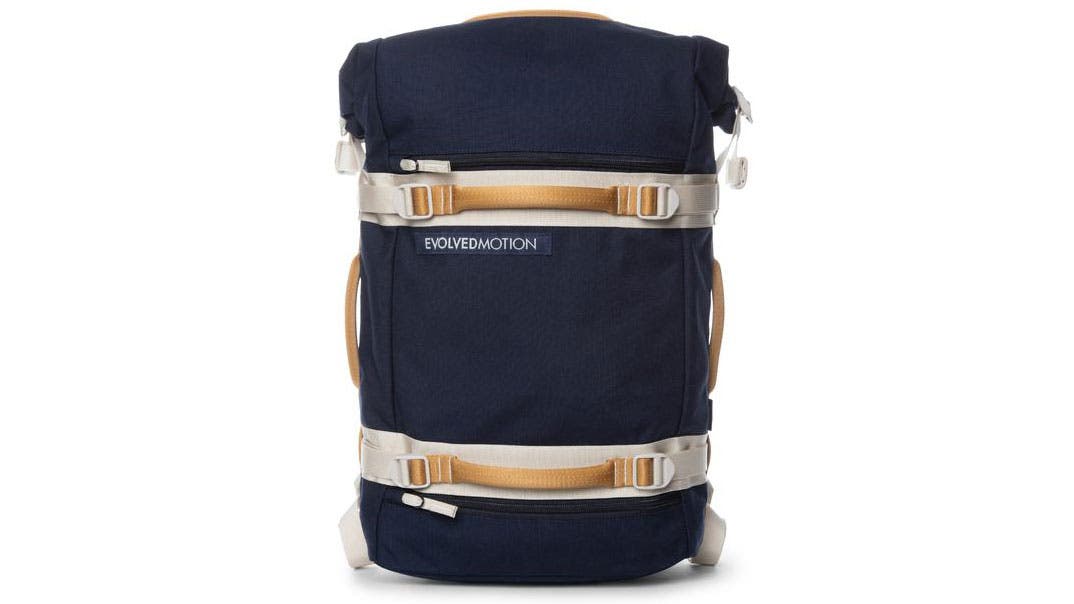
So before you read any further, know that this is NOT intended as a weight vest. While you can fill the bag with weight and wear it with the included backpack straps, that’s not the main function – in fact it’s not remotely the best use of this bag. Rather, the idea behind this bag is that you can use it as a standard roll top bag with pockets, laptop access, and even a hydration sleeve, OR you can fill it with included bladders (the 2.0 comes with two reservoirs but can fit four) and use any combination of the six padded, but structured, handles to perform any number of weighted workout movements.
Each bladder can be filled with up to 15 pounds of water or 21 pounds of sand, and with the super strong and sturdy cinch straps, you can put in one bladder with water for roughly 17 pounds of weight, up to a max of about 85 pounds of weight with four bladders full of sand. The Cordura construction is super tough, and they’re all designed in Colorado, so you can know you’re buying from actual athletes, not just some random factory in China. The variety of workouts you can do is basically limited by your imagination (YouTube “sandbag workouts” for literally thousands), and the fact that it’s a backpack means you can take it when you travel or train remotely.
Muuv Barbell and Dumbbell Set
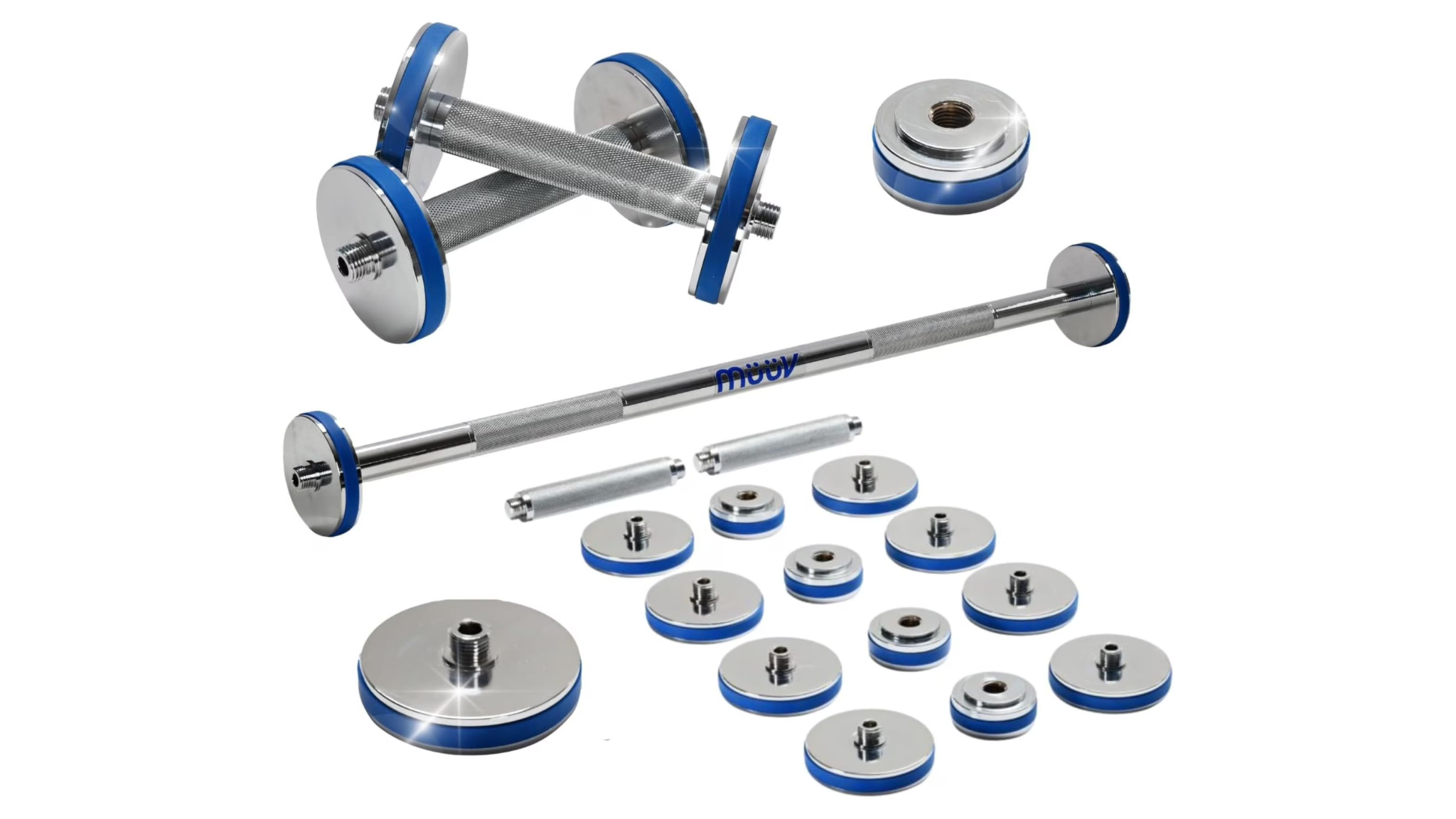
Looking to dive into strength training without overcomplicating things or breaking the bank? This setup might be exactly what you need. This two-in-one system lets you use the weights as simple adjustable dumbbells – combining smaller threaded plates to create dumbbells up to 15 lbs – or attach them directly to the barbell for up to 23 lbs. For maximum load, you can even attach the dumbbells to the barbell for a total of 40 lbs – a strange sight to see dumbbells on a barbell – but it works, and is more than enough to progress from bodyweight squats to a real strength challenge.
Setup is simple and secure, with no clamps required like many cheaper adjustable systems. The grips feature nice knurling, and the rubber-coated weights prevent damage to your floor while reducing noise on contact. The only minor downside is that the weights aren’t labeled, but once you get familiar with the few setup options, tracking load becomes second nature.
For beginners, the free Muuv app is a helpful bonus, offering customizable audio guidance from a recorded coach based on workout length, type, and available equipment. It’s simple, but it works well – what more can you ask for? Pair this set with the stand, and it becomes a space-saving, all-in-one home gym staple that’s compact enough to keep right in your living room.
Bosu Bundle
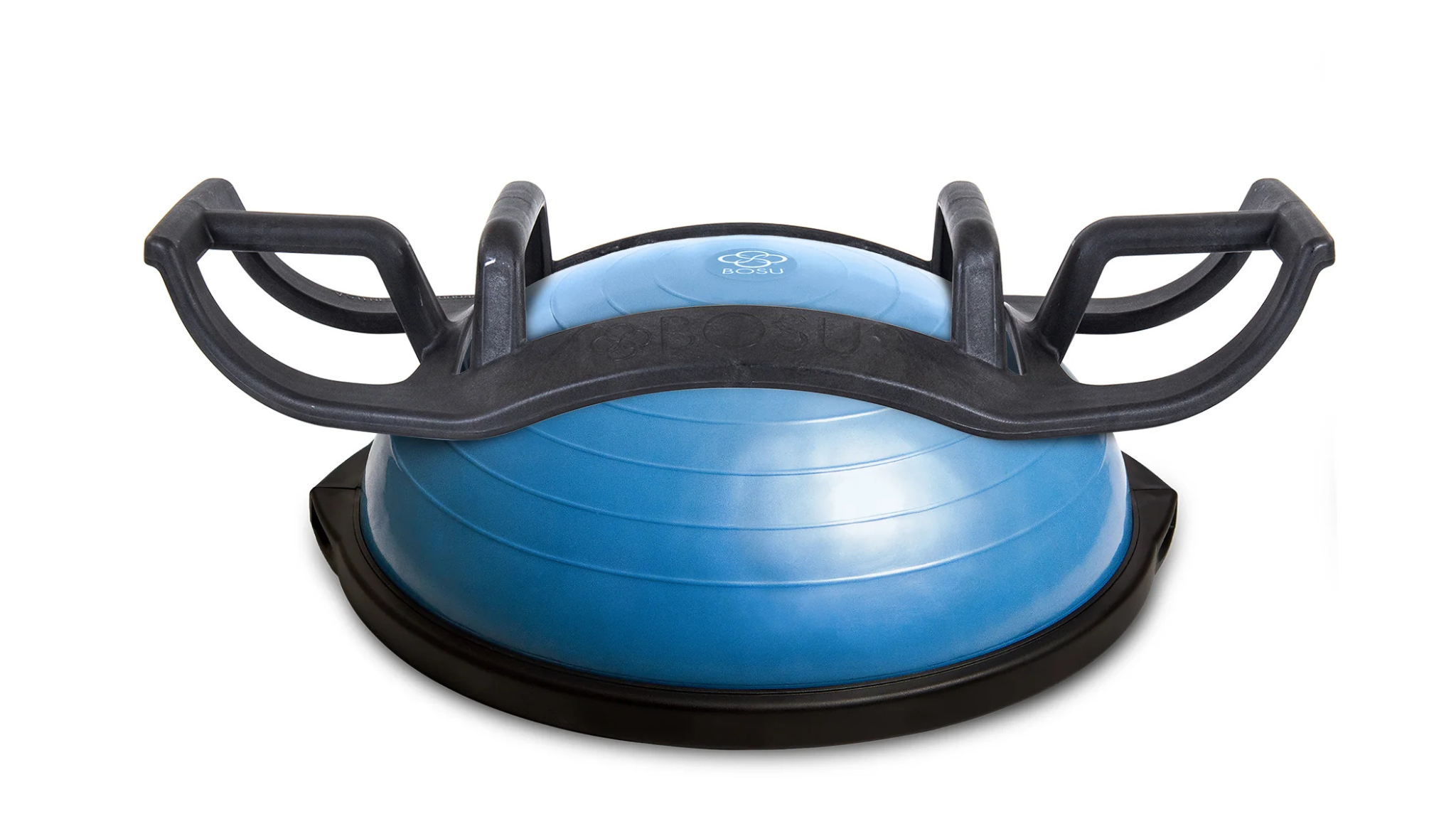
You may have seen Bosu balls at the gym or at physical therapists’ offices if you’ve even been “unlucky” enough to have to visit one, but these simple toy-looking tools are anything but. While you could conceivably use this bundle to hit most of the major muscle groups you need to as a triathlete, it’s actually the little muscles that’ll get the most benefit.
By using a highly dynamic (that’s something that causes a lot of movement) design, Bosu equipment helps work on your stability – for both upper and lower body—something triathletes need help with badly. In other words, the tiny little muscles that you use to help balance you on the balls become activated and strengthened, which will make you either less prone to injury or help you rehab any imbalance-related injuries you already have.
You can even use the ball in conjunction with the “HELM” push-up bar included for an enhanced push-up or plank workout, with three varying grips to change up the muscle groups activated. There’s a reason professional physical therapists use this stuff – if you get your own, you may never even have to visit one.
TRX
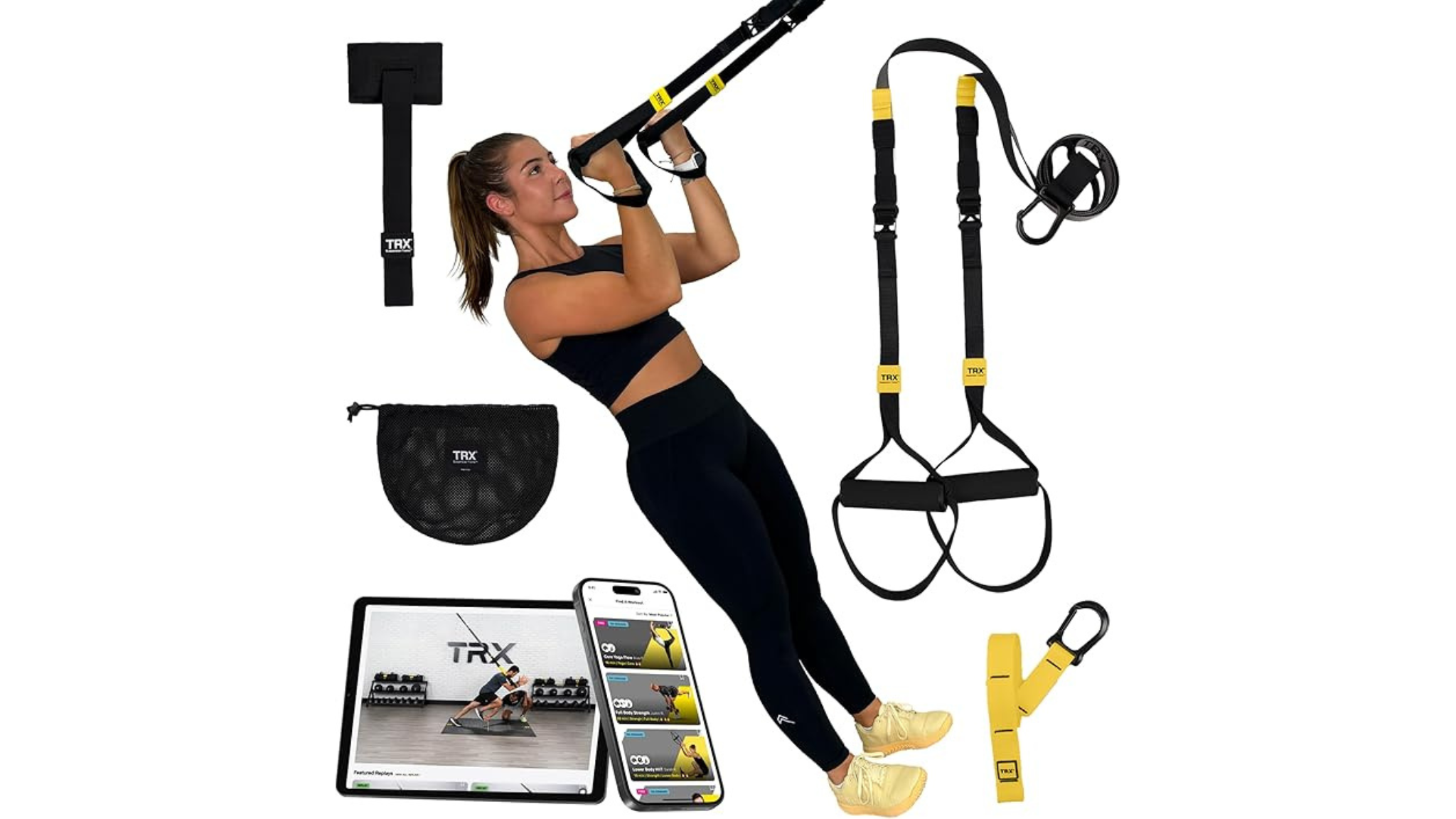
If you haven’t heard of TRX yet, you may be living under a rock – but we’ll still forgive you. Using nothing more than super burly nylon straps, a strong anchor point, and some creative handles, this product may have looked like a fad at first, but it has stuck around for one big reason: It works.
More pro coaches than I can count use this with their athletes because it takes up very little space but works almost every part of your body via creative angles, heights, positions, and body weight. You can do workouts that will absolutely destroy your core or you can do workouts that gently rehab an injury. The most important keys to using a TRX are finding a safe place to anchor the top (remember that tree branch?) and paying very close attention to the exercise instructions so you don’t accidentally hurt yourself or get nothing out of the session because you’re doing it slightly wrong. The TRX is highly dynamic, so you’ll be working out muscles you didn’t even know you had.
There are several sets to choose from, with the main differences coming down to strap thickness, overall durability, and the material used for the grips. The biggest drawback at this price point is the optional app subscription ($19.99/month for full access), which many will wish were included. That said, the app does unlock a large library of workouts, including daily live sessions. And if you’d rather skip the subscription, there’s no shortage of follow-along workouts on YouTube that will still leave you sweaty, spent, and riding that post-workout endorphin high.
Zen8 Trainer
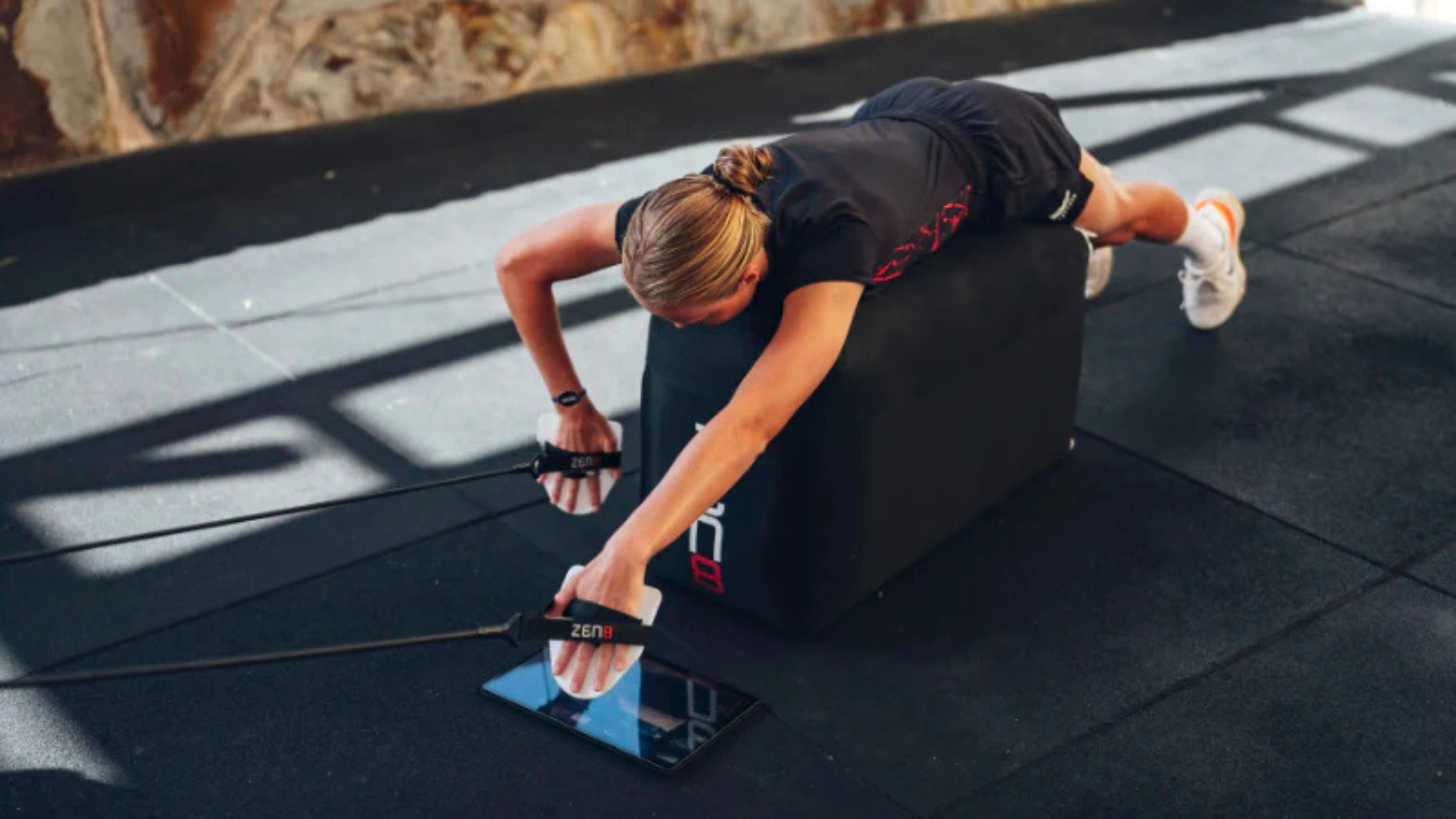
A step up from standard stretch cords, the Zen8 Swim Trainer offers a full-body workout by letting you go horizontal on an inflatable bench while pulling cords and paddles. This setup engages your core (the bench is anything but rigid) and helps you maintain proper body position, closely mimicking the technique you’d use in the water. By training in this position, you activate the right muscles more efficiently than when standing, while also benefiting from greater resistance than in typical pool sessions.
The bench inflates quickly with the included speed pump, includes a door- or window-mount attachment for setup, and packs down neatly into a small travel bag. Because the trainer’s resistance exceeds that of water, even short sessions can be highly effective – 15 minutes can be enough for a full workout, and just five minutes of technique practice at the end of a strength session can help maintain muscle memory and proprioception, especially for swimmers who hit the pool only once or twice per week.
Bullbar 2.0
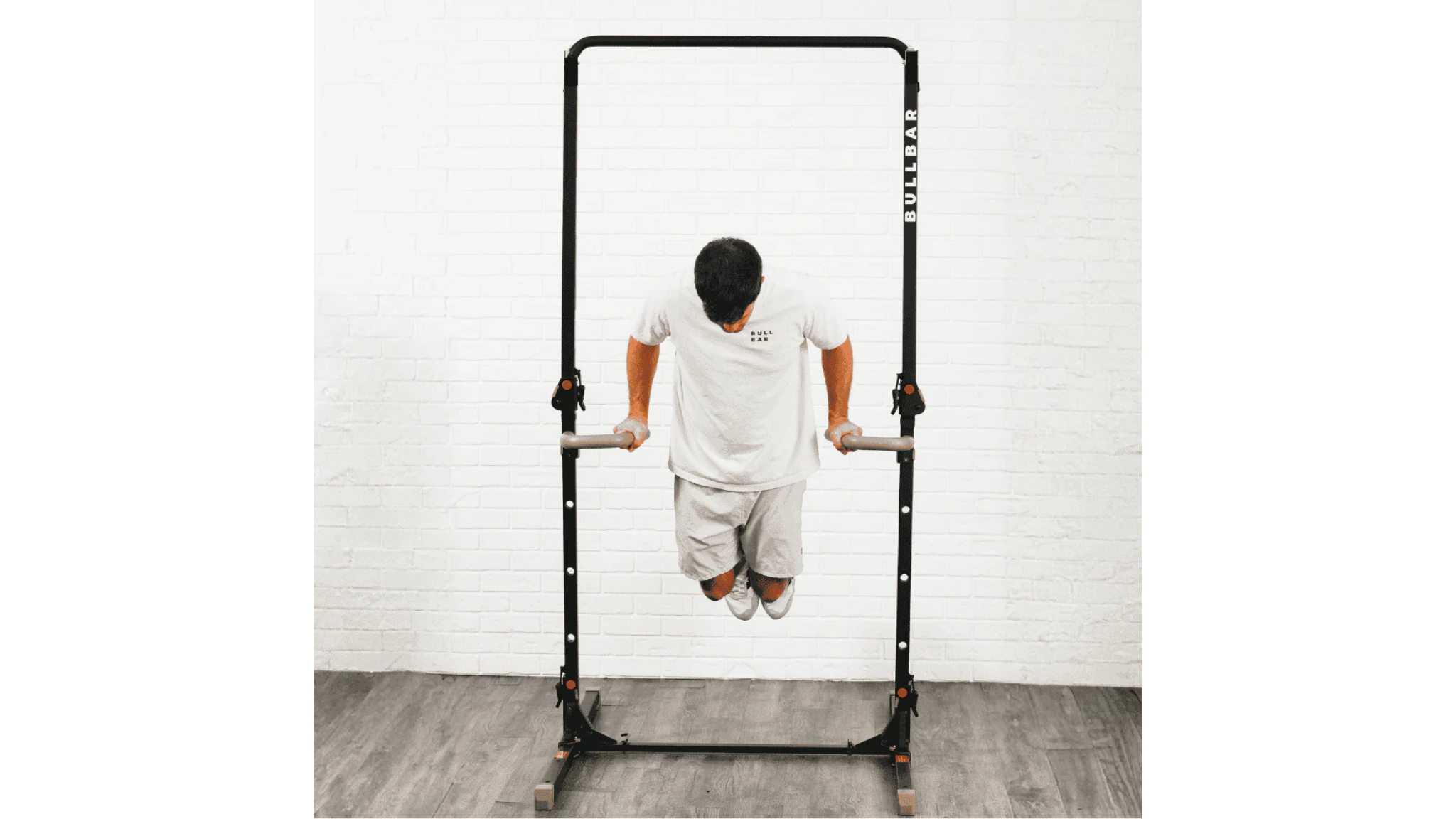
One of the most unique and loved options on this list is a compact, portable – wait for it – pull-up bar. Most triathletes don’t include a pull-up bar in their at-home setups because traditional options usually require a large squat rack, a sketchy door mount, a stud-mounted wall setup, or a bulky freestanding station. This innovative, patented design changes that completely, allowing you to set up and fold away the bar in about 60 seconds.
We were skeptical at first – in the same way DIY furniture “15-minute assembly” often ends up being an hour – but this one truly is that easy. Its portability means you can take it outside the garage, onto your deck or yard, or even to the park to make those slackliners jealous again. Yet, despite being portable, it feels stable and premium, with just a slight play compared to a mounted setup.
The benefits for triathletes are clear: pull-ups strengthen the upper body, including shoulders, lats, and core – all essential for swimming. For running, improved posture and upper-body strength translate to better arm mechanics and efficiency over short and long distances. For cycling, it builds the strength required to remain in the aero position.
The bar is incredibly versatile. The included dip handles can be placed at various heights, letting you do split squats, bodyweight rows, deficit push-ups, and more. This video demonstrates 33 exercises on the bar, not even including resistance band exercises, which use the resistance band attachment on the base for squats, curls, or making the pull-ups more challenging. If you’re looking to get into pull-ups or finally learn your first one, this is an ideal starting point.
Bonus: Bullbar offers a 100-day trial, including a free return if you send it back in the original packaging.
Freak Athlete Hyper Pro
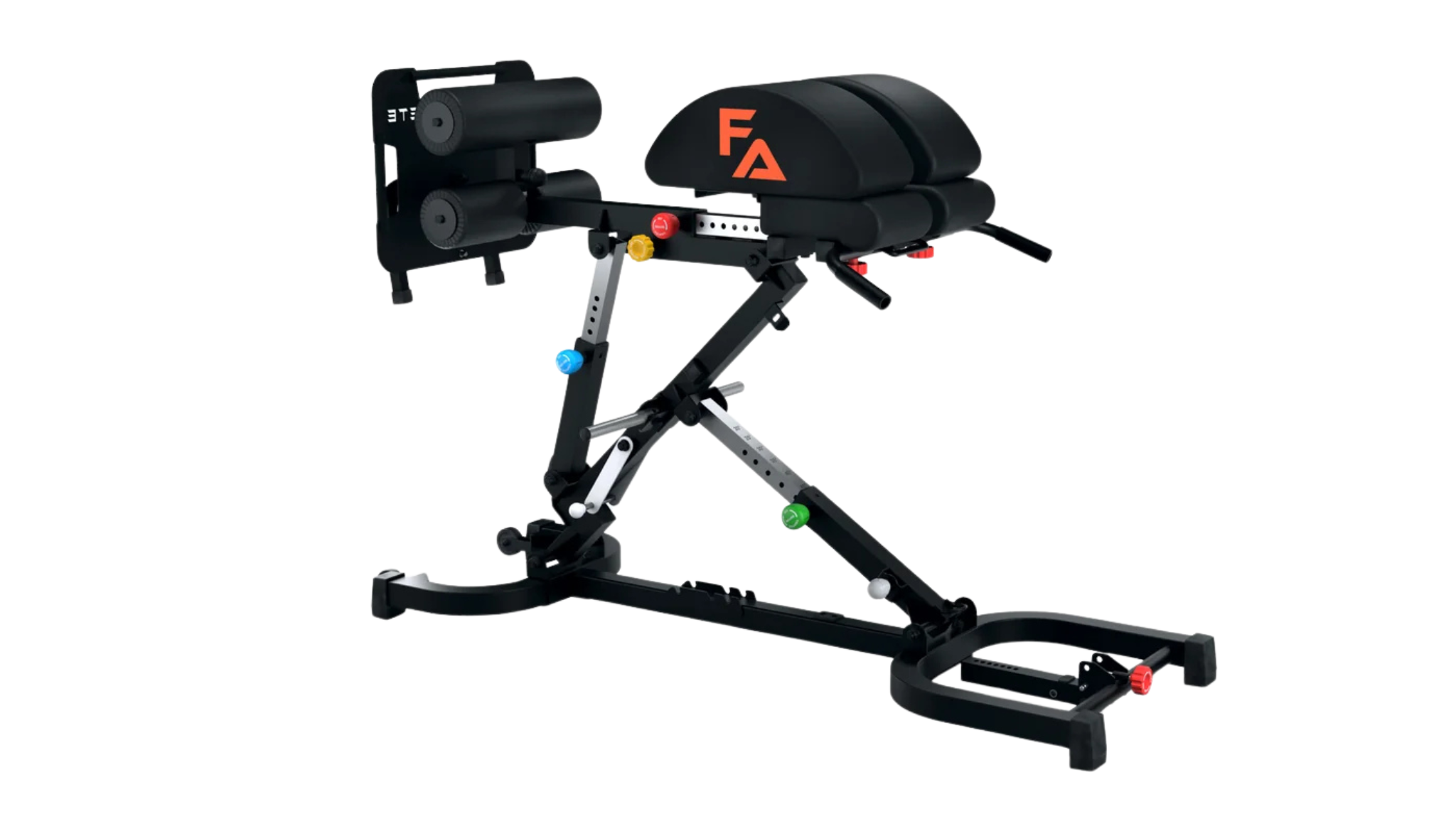
Not going to lie – when you first hear claims like “9 machines in one” and “25+ movements,” and then unpack this machine, it can feel overwhelming. It’s one of those gym contraptions that makes you take a wide berth at first. Give it time and patience, however, and you’ll discover a versatile tool that can provide an immense variety of workouts throughout your triathlon career.
Primarily a Nordic Bench and Glute-Hamstring Developer (GHD) platform, it can be configured across nearly endless angles and levels to adjust the difficulty of back extensions, oblique raises, and glute-ham curls – all standout exercises for us triathletes. Flip it over for core-busting decline sit-ups, or flatten it completely to use as a standard bench for step-ups, dumbbell rows, presses, and more.
The machine is impressively robust, built to commercial/gym standards, and supports over 500 lbs. While larger than expected, it’s surprisingly easy to maneuver with one hand thanks to built-in wheels, and it collapses to a compact vertical footprint for storage. If it turns out it’s not right for you, the price is backed by a full 30-day return policy, no questions asked.
Vasa Trainer Pro
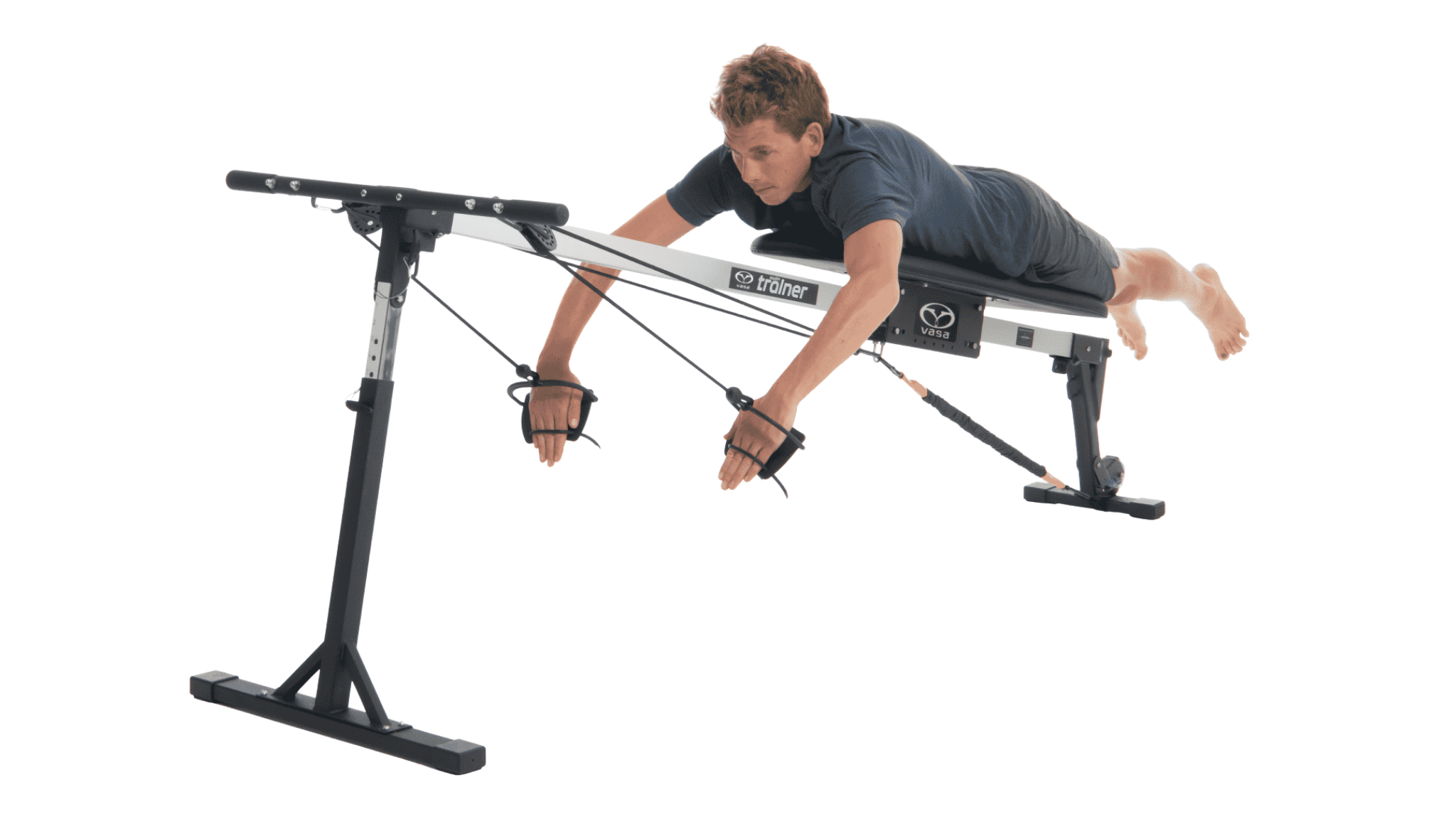
The biggest investment on this home-gym list comes in the form of the Vasa Swim Trainer, offering the closest at-home experience to actual swimming, short of the twice-as-expensive KayakPro SwimFast we wrote about here. These high-end swim trainers, like the Vasa, give you a reliable opportunity to work on purposeful strength and technique, while also letting you incorporate a variety of other exercises using the sliding platform.
The only major problem with this option is that it might make you reluctant to actually go to the pool and become too reliant on this convenient option. Especially when you realize you haven’t had to lane-share in some time (unless you’re battling a significant other for it). The Vasa is solid and built to last for years, which, over time, can be a smart investment for improving your swim – as long as you’re able to use it consistently and smartly in your routine.