Updated July 10, 2025 02:14PM
Heading to a Destination Race in 2021? Be a Well-Informed Traveler
Registered for a 2021 destination race? Being a well-informed traveler matters now more than ever.
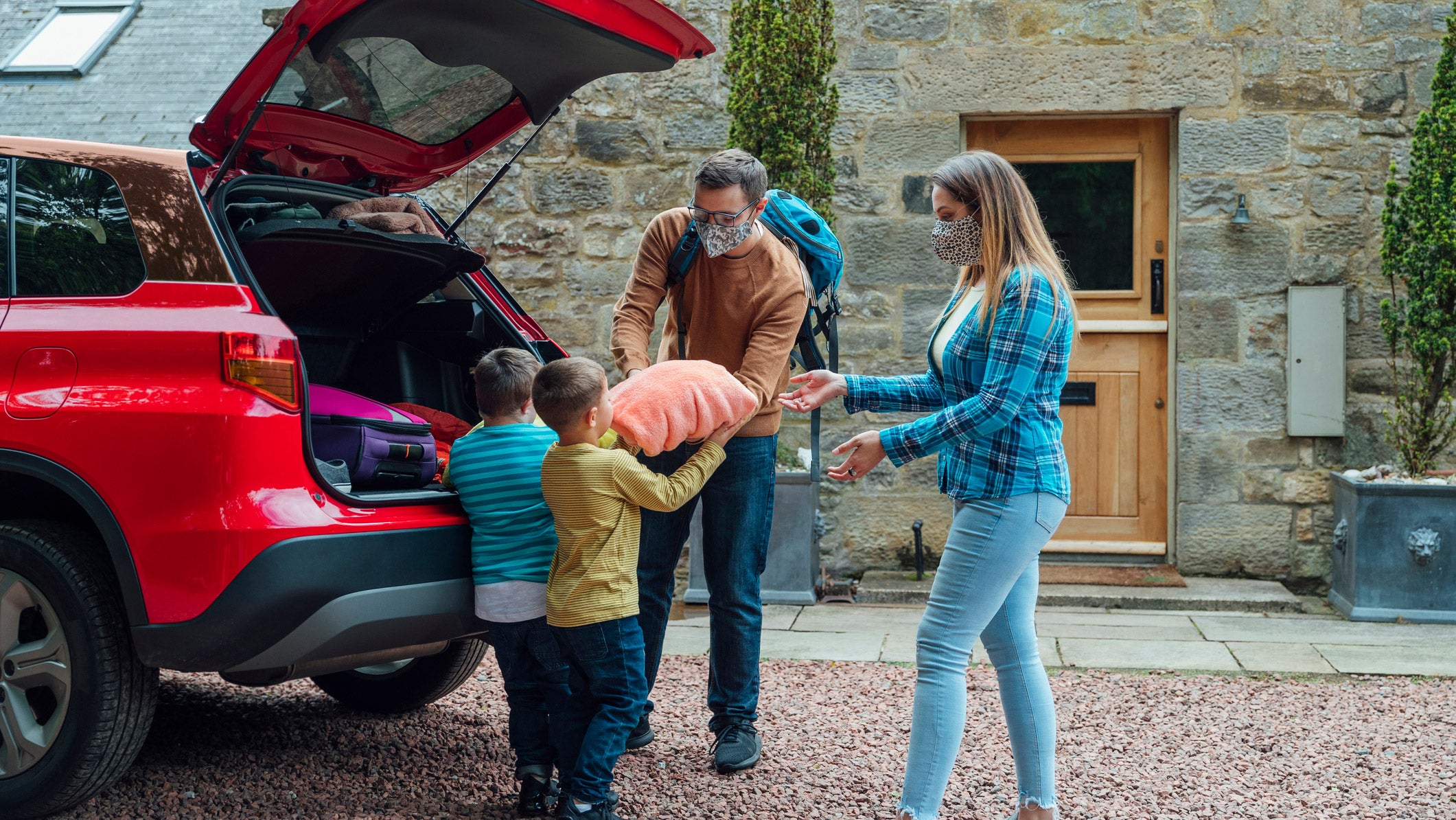
Races and events are slowly returning to the calendar, and while we’re all thrilled to get back out there, it’s going to be a while before we return to a world of travel without COVID-19 concerns. Realistically, summer and fall triathlons will require careful planning and consideration—especially when it comes to safely traveling to and from your event. Beyond basic measures like always wearing a mask in public, keeping six feet from others, and washing your hands regularly, here are some things to consider in your travel planning.
RELATED: What to Expect as You Return to Races in 2021
Editor’s note: This article originally appeared in the March/April 2021 issue of Triathlete. Since that publication, the Centers for Disease Control and Prevention (CDC) has updated its travel guidelines for people who have been fully vaccinated. Fully vaccinated people can resume domestic travel and do not need to get tested before or after travel or self-quarantine after travel. They also do not need to get tested before leaving the United States (unless required by the destination) or self-quarantine after arriving back in the United States. See the complete updates here.
1. Know the regulations.
Health guidelines and regulations are changing constantly as COVID numbers change and research advances. Make sure you know the mandates for both the area you’re traveling to and for your home city, county, and state. A couple of possible requirements include testing within certain time frames and/or mandatory quarantine upon arrival—not something you want to be surprised by two days before your race.
ADVERTISEMENT
2. Think of before and after
As of publication, the Centers for Disease Control and Prevention (CDC) is recommending that anyone who travels gets a viral test one to three days before traveling and three to five days after arriving home. The CDC also suggests a seven-day quarantine once you’re home, even if you receive a negative test. The days of simply getting away for a quick race weekend are behind us—for now, at least. Also, consider the possibility you could end up with symptoms while at your destination. Are you willing and able to quarantine at your race for the required amount of time? If not, best to stick to local races for now.
3. Stay as close to home as possible.
Regardless of if you’re flying or driving, the farther your destination, the more opportunity there is for exposure. For flying, the risk is higher with more interactions and, at the very least, extended time on an airplane. For driving, the longer the trip, the more likely there are bathroom, eating, and lodging stops. In other words: Consider racing local.
ADVERTISEMENT
RELATED: Our Guide to Under-The-Radar Races to Consider
4. Consider who you travel with.
Regardless of your method of transportation, the CDC recommends you only travel and stay with members of your own household.
5. Be thorough in your lodging research.
As with everyone and everything right now, some hotels and Airbnb owners are taking the safety protocols more seriously than others. Before you book anything, the CDC suggests calling and inquiring about:
- Online check-in, mobile room keys, and contactless payment
- The mask policy for hotel employees and guests
- Other precautions in place, such as plexiglass barriers, physical distancing signs, etc.
- Contactless room service and food delivery options
6. Be prepared not to go.
Now more than ever, it’s important to stay flexible with your travel and racing plans. Canceled events, positive tests, or exposure that requires quarantine all remain possibilities. If having to bail on your trip at the last second is going to devastate you, push your travel plans to next year.
