Updated February 24, 2026 08:25AM
Why Triathletes Are Embracing the Digital Detox
Feeling plateaued? Taking away the tech can help you push your limits. Here's how to get back to the bare bones (and why it might be just the thing you need to become a better athlete).
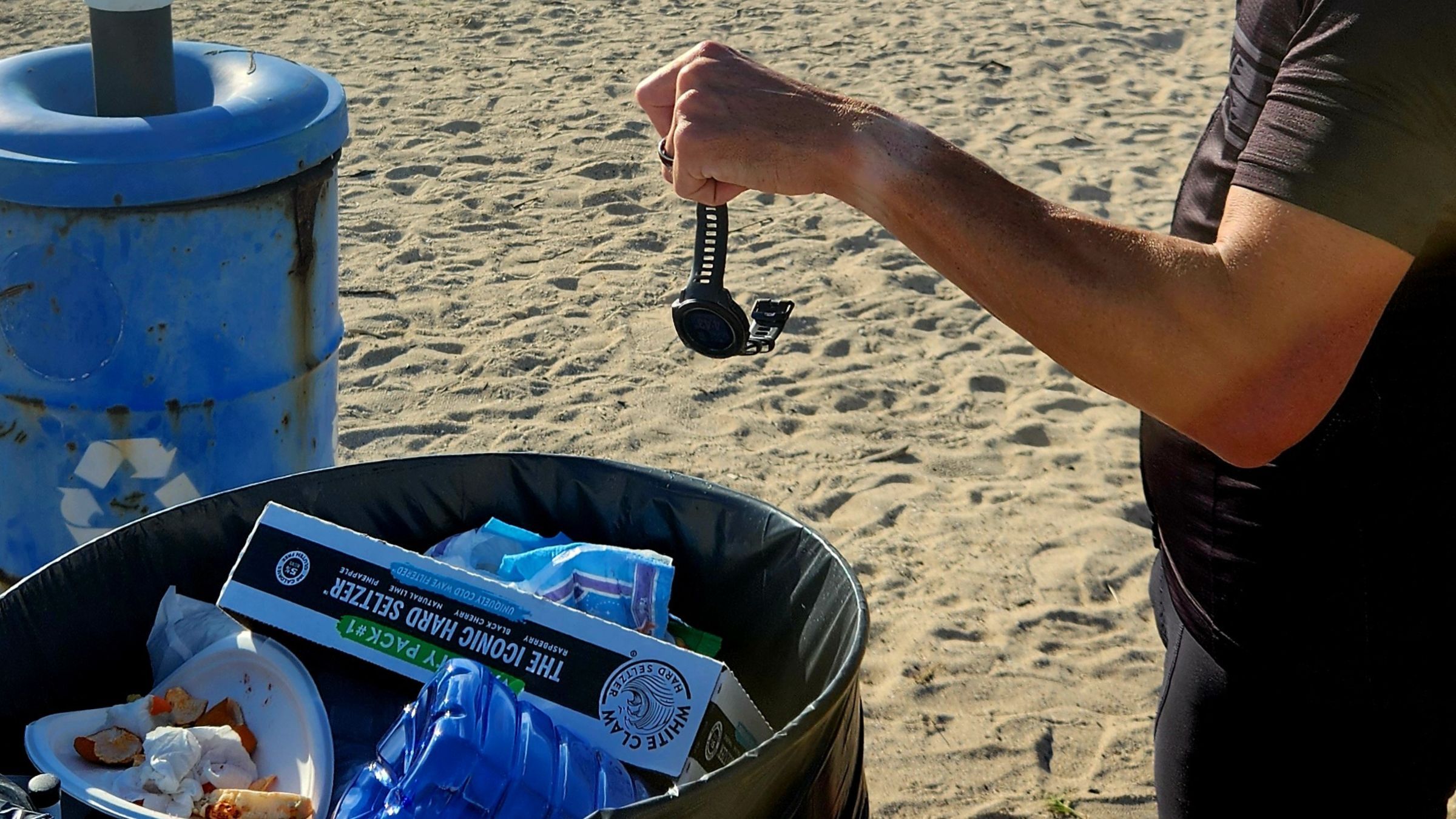
Could removing technology from your triathlon training make you a better, more relaxed athlete? Here's what the research says. (Photo: Sara Stover)
Several years ago, I was one mile into a ride when my bike computer stopped connecting with my power meter. I hopped off my bike and spent 17 minutes trying to reconnect, all to no avail. For the rest of that ride, I stressed out over the data I couldn’t access. When I got home, I immediately uploaded my ride to Strava and used the time I should have spent doing exercises to address a nagging hip pain to review the metrics I did have.
A few months later, while recovering from a subsequent injury, my PT suggested I go for an easy run, sans phone or smartwatch. I was amazed at how stressed I was NOT and how in tune with my own body I was! Except for using my old iPod and a basic Ironman watch, my training has been technology-free ever since.
At first, I felt like an anomaly, but according to Lynn Mattix, UESCA-Certified Triathlon Coach and six-time Ironman finisher, more triathletes than ever are embracing a digital detox.
The downside to digital data sharing
A digital detox is a break from electronic devices, with an emphasis on improving mental health by intentionally spending less time online. According to a survey conducted by Talker Research, 50% of 2,000 Americans surveyed said they’re digitally disconnecting for their well-being.
“We have more options for tracking and sharing activities than ever before, but we’re realizing how it can negatively impact our health and self-esteem, and even be a dangerous distraction,” says Mattix. An MDPI review confirms that while notifications and pings may let us know that we’ve dropped below our intended heart rate zone, this onslaught of distraction also affects brain function, including memory.
Mattix explains that this isn’t the only way that sharing and comparing data can take a toll: “You should feel proud of yourself anytime you workout. But that’s harder to do if you’re constantly online comparing your training to others, especially if you only see their data, which doesn’t reflect all aspects of their life.”
ADVERTISEMENT
Based on a PubMed study that linked cell phone use while riding to an increased risk of injury, staying connected while training may do more harm than good.
How tech-free training can make you a better athlete

While social fitness apps can create a sense of connection to other athletes and foster inspiration, they may also encourage unhealthy comparison.
“Comparison can be the thief of joy… and cause anxiety. If seeing everyone’s metrics makes you doubt your own training process and wonder if you’re doing enough, breaking up with the tech might be just what you need,” says Mattix, adding that data can also do more harm than good when it keeps us from pushing beyond our limits. “If you’re plateauing, take away the tech temporarily. You might not back off like you would if you saw a pace that you think is too fast.”
A digital detox can be fantastic for beginner triathletes or those coming back from an injury or an extended period of time off. Thinking that your own training might benefit from some time offline? Mattix says that for triathletes, disconnecting can mean removing any tech that provides data, a break from a fitness data app, or both.
Start with a 50/50 approach where half of your workouts are structured sessions focusing on data like pace, mileage, or heart rate, and the other half are simply for a set amount of time.
ADVERTISEMENT
“Sometimes structure is important, but you also need to be able to tune into how your body is feeling. Not to mention that if something goes wrong with your tech in a triathlon, it won’t ruin your race!” Mattix says. “If you’re spending half your time training inside, then save the structured sessions and the screen time that comes with it for the trainer or treadmill, and go by feel when you’re outside. If you have a recovery day or week coming up, that’s a great opportunity to give tech-free training a try without sacrificing fitness.”
How to do a digital detox, triathlon-style
A digital detox doesn’t mean abandoning the practice of measuring your progress entirely. To track metrics without a connected device, go old school with an analog watch. Log your workout in a journal afterward – one with actual pages that you write on with a pen or pencil. There are also a variety of products to help you stick to your digital detox plan and reclaim your focus – our editors tested and reviewed them here.
Still on the fence about taking a digital break? Occasionally, removing all that data tracking and sharing from the equation can help you remember why you’re out there in the first place.
“It’s about being fully present, and appreciating both your health and your surroundings,” says Mattix. “When you’re not fixated on the metrics, you can enjoy where you are in your training journey and where you are, literally.”